
According to the United Nations Office for the Coordination of Humanitarian Affairs (OCHA), ongoing war in the Middle East has heavily disrupted Iran’s fisheries sector, especially in two of the nation’s top commercial fishing provinces.
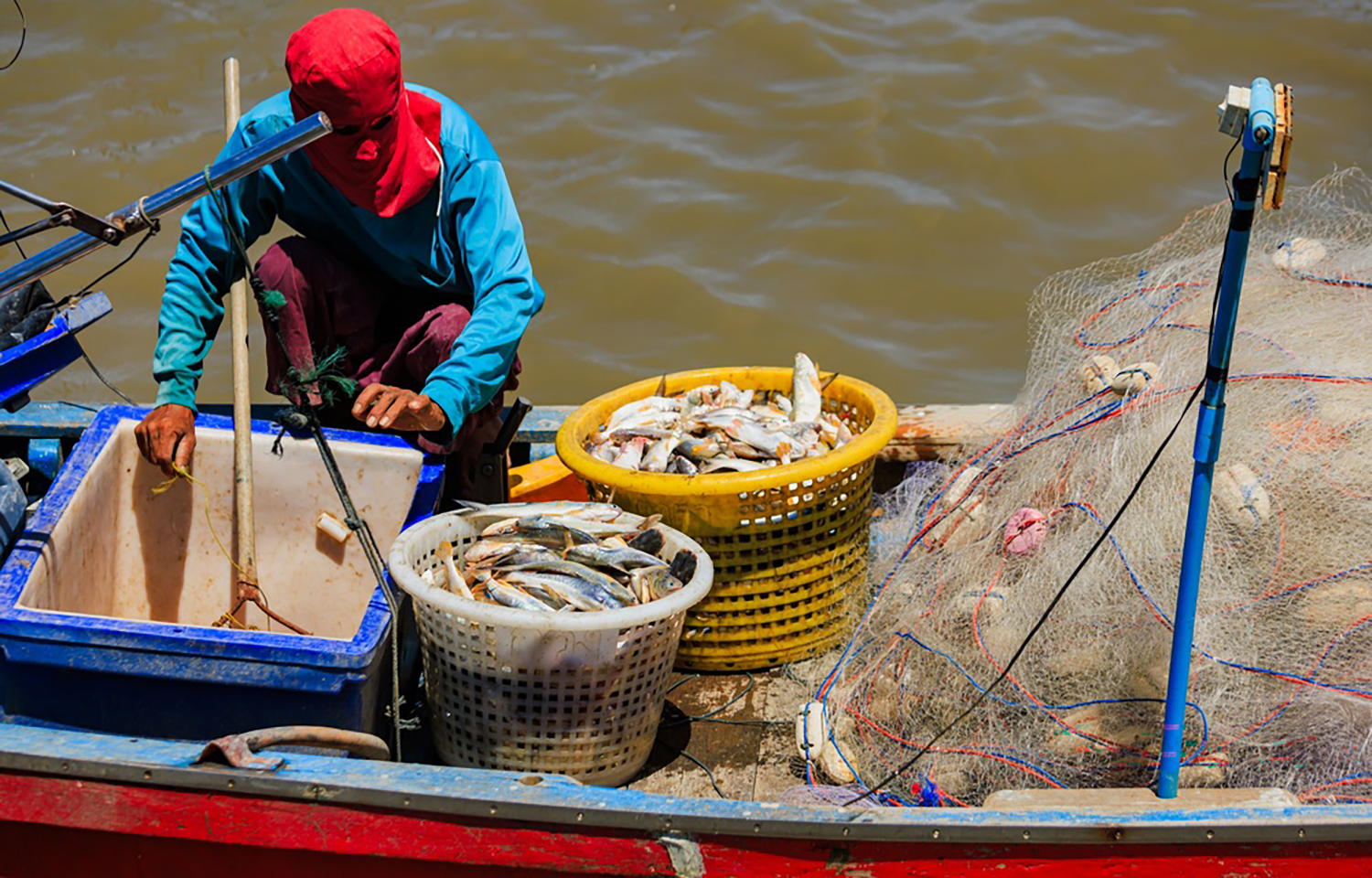
OCHA estimated that direct and indirect losses to the fisheries sectors in the provinces of Hormozgan and Bushehr have totaled around USD 105.9 million (EUR 94.4 million). This comes as more than 60 percent of the fishing fleet in the two provinces remains inactive, directly impacting the income of an estimated 37,000 fishers and causing other adverse impacts on the livelihoods of an estimated 300,000 people.
Other cost estimates are a bit more conservative, with the head of Iran's Fisheries Organization, Hamzeh Rostampour, estimating the damage to Iran's fisheries sector from the war at more than IRR 60 trillion (USD 33.1 million, EUR 29.5 million).
Nevertheless, communities that have lost fishing assets, facilities, and post-harvest infrastructure to the war, including “damage to a major shrimp hatchery in Bushehr [that] has further disrupted production and affected local workers and their families,” have no clear indication of when meaningful production might restart or when fishers would be allowed time to recoup losses and restore livelihoods, according to OCHA.
OCHA said the Food and Agriculture Organization (FAO), a fellow United Nations agency, is in the process of “assessing the needs of conflict-affected fisheries in Southern Iran to inform potential livelihood support.”
FAO Representative to Iran Farrukh Toirov elaborated on assistance coming down the pipeline, saying the agency is providing emergency support for the country's fisheries sector through its emergency Technical Cooperation Program, which is focused on restoring “essential fishing capacities, support[ing] affected coastal communities, and strengthen[ing] household food security and livelihoods.”
The war has had several knock-on effects outside of Iran, as well.
Fuel prices have remained high in 2026 since the Strait of Hormuz – a major passage for fuel departing the Persian Gulf – was closed by Iran near the start of the war. The European Union is one of several government entities, along with the U.S., Thailand, Ecuador, and elsewhere, that has been enabling fuel aid for its commercial fishers, authorizing member states to offset fuel price increases and approving fuel relief proposals submitted by several member states.
The war has particularly hit small-scale fisheries hard across the globe.
According to the World Forum of Fisher People (WFFP), a 29-member global small-scale fishing organization representing at least 10 million fishers, its constituency in a recent survey listed fuel as an operational cost accounting for up to 50 percent of their total business expenditure.
“Iran’s retaliatory restrictions on shipping through the Strait of Hormuz, a chokepoint for roughly 20 percent of the world’s oil supply, have caused crude oil prices to surge dramatically. Brent crude, which traded around USD 70 [EUR 62.40] per barrel before the conflict, spiked above USD 100 to USD 119 (EUR 89.20 to EUR 106) per barrel within weeks, driving sharp increases in diesel and gasoline costs worldwide,” WFFP said.
WFFP further explained small-scale fishers operate low-tech motorized boats with limited capital and are disproportionately vulnerable. So, when diesel prices rise between 60 percent and 120 percent in many markets, as they have since late February, “entire communities are facing reduced fishing effort, collapsing incomes, and threats to food security.”
Back in Iran, despite the ongoing conflict, Iran’s Fisheries Organization has moved forward with plans to inaugurate 122 fisheries projects across 23 provinces.
Rostampour said that when enacted, the new projects will increase national fisheries production by more than 59,000 metric tons and create over 27,000 direct and indirect jobs across the country’s seafood value chain.
This aligns with national goals to attract at least USD 551.9 million (EUR 491.9 million) in sectoral investment and increase the value of aquatic product exports to USD 1 billion (EUR 891.5 million) annually.
