
Abu Dhabi is investing in floating sea cage aquaculture to boost the United Arab Emirates’ food security and preserve and protect the nation’s marine biodiversity and ecosystems.
To spur the practice, the emirate has launched a new fish-farming project comprising six floating sea cages. The project aims to cultivate 100 metric tons (MT) of fish annually – nearly a quarter of what the country produced in 2021, which is the latest available data on the country’s aquaculture production.
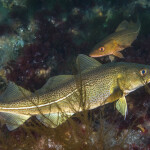
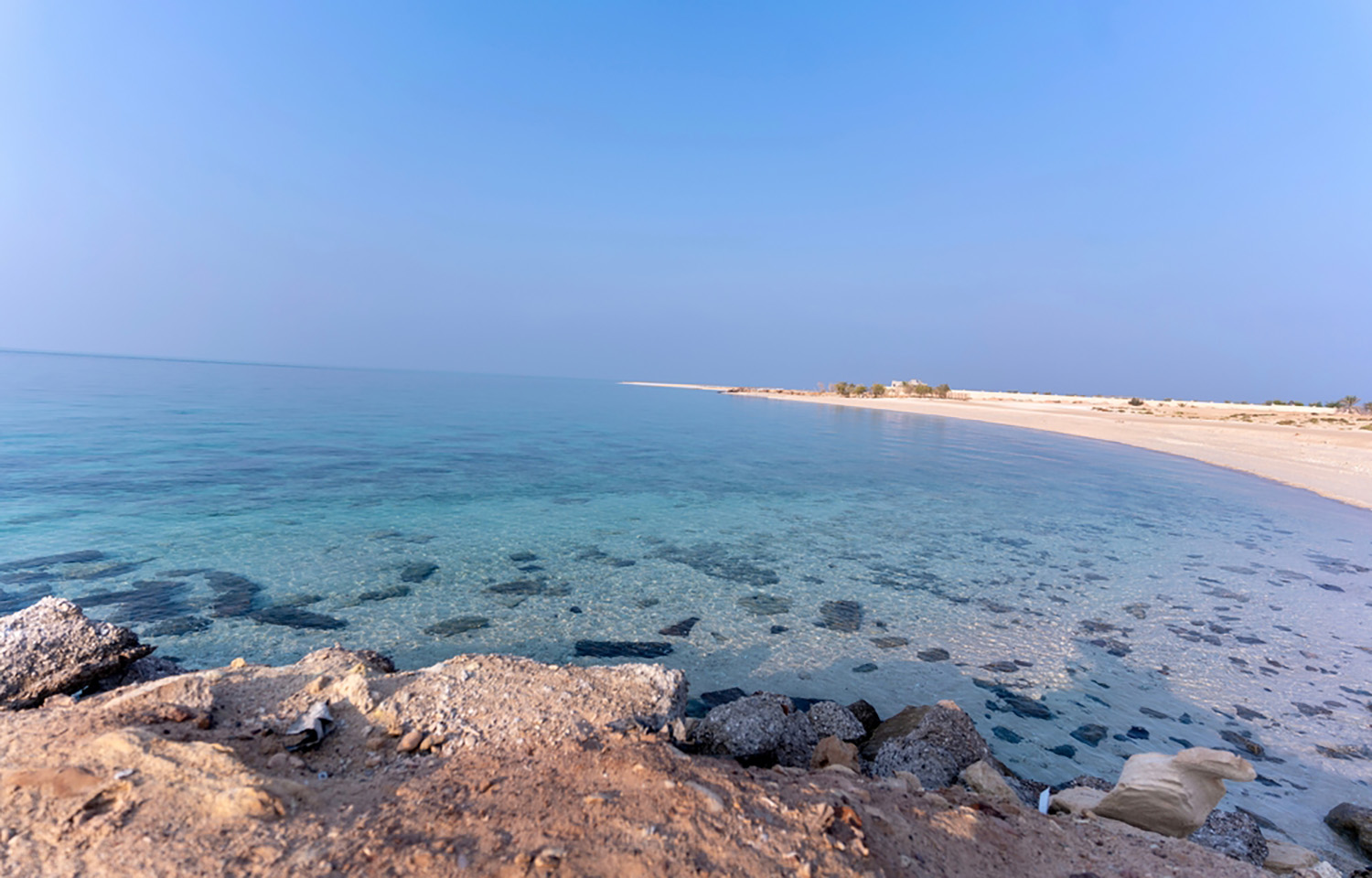
The project is spearheaded by the Environment Agency of Abu Dhabi (EAD) and will be located southeast of Delma Island within the Al Dhafra region in the western portion of the country. The farms will feature several high-priced fish species, including gabit, safi, hamour, and sheri. The total cost of the project has not been disclosed.
“As part of our efforts to promote sustainable aquaculture in the emirate and implement our sustainable aquaculture policy initiatives, we are conducting the first aquaculture cage project southeast of Delma Island, which will include the cultivation of local fish species that are vulnerable to overexploitation,” EAD Secretary General Shaikha Salem Al Dhaheri said.
The feasibility of the project was first tested in 2017 when EAD carried out a study in the sea off Delma Island “to determine the capacity of fish that can be cultured in marine cages sustainably for the selected areas.”
The study also analyzed the potential environmental impacts of aquaculture activities on the local marine environment to “determine how long the environment will take to recover to its normal form after cages are removed.”
In 2019, EAD approved a sustainable aquaculture development policy to expand the scope of relevant scientific studies and research on farming of local fish varieties using floating aquaculture cage systems, as well as developing new environmental protocols that support sustainable sea-based aquaculture in Abu Dhabi.
With the project now officially underway, Abu Dhabi expects it will help cost-effectively produce more high-quality seafood from its limited land resources, as well as address the challenge of predation and disease in traditional sea farming as the new system enables producers to fully control the fish-rearing environment.
The project adds to Abu Dhabi’s existing portfolio of five licensed operational aquaculture sites with a production capacity of 408 MT. The emirate farms such species as Indian white prawns, hamour, and non-native sturgeon.
Some of the current farm sites include ponds near the city of Abu Dhabi, a high-tech recirculating aquaculture system (RAS) at Al Wathba southeast of Abu Dhabi, and an intensive RAS in the Mussafah district of Abu Dhabi.
Furthermore, Abu Dhabi has two small-scale aquaponic farms in Bani Yas and Al Faya focused on the farming of Nile tilapia, according to EAD.
Though production volumes are small in Abu Dhabi, EAD said they are “still within the targets set by EAD and are predicted to continue to rise at a rate of 2 percent per year.”
