

A new report found Africa’s aquafeed usage rose 27.5 percent in 2025, making the continent one of the fastest-growing markets for aquafeed in the world.
The report, titled “2026 Alltech Agri-Food Outlook” and compiled by U.S.-based agricultural products firm Alltech, found that after several relatively stagnant years, Africa's aquaculture feed market expanded by 466,000 metric tons (MT) last year, with Egypt topping the list by country after national aquafeed consumption surged 36 percent.
This growth came as global aquaculture usage rose 4.7 percent year over year, increasing to 55.5 million MT.
Alltech said that despite increasing challenges associated with infrastructure and competition for water use, Africa is experiencing a rapid increase in farmed fish operations. According to the World Economic Forum, African aquaculture production has risen by 500 percent over a 20-year period and reached 2.5 million MT last year.
Though that total was only equivalent to 3 percent of global output in 2025, panelists at the Blue Food Innovation Summit recently highlighted that Africa represents one of the most significant growth opportunities in the global aquaculture sector over the coming decades due to a combination of strong domestic demand, favorable natural resources, and growing investment.
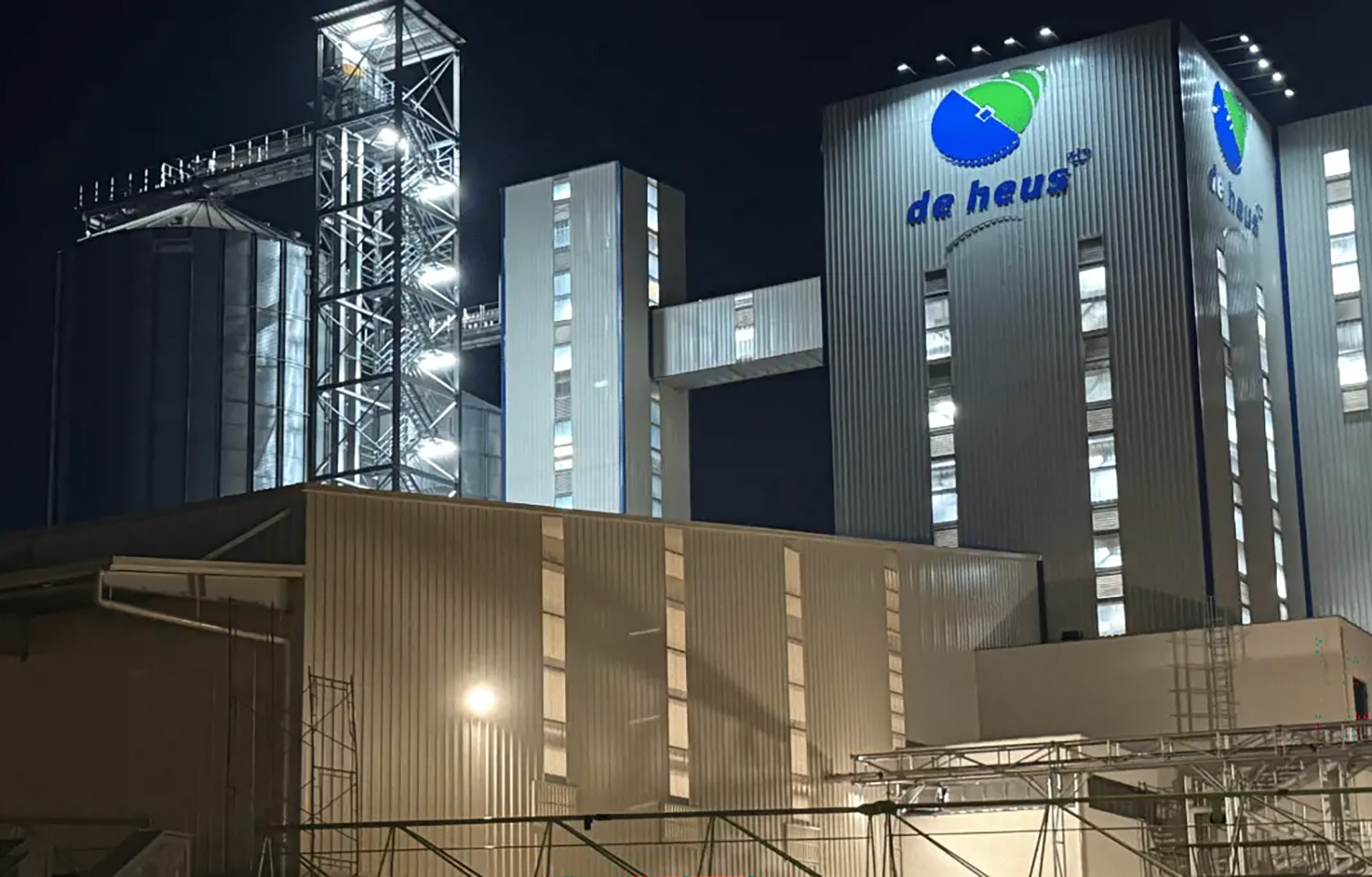
This has resulted in the development of new feed operations to properly supply that growth. One such operation has come from Dutch animal nutrition firm De Heus, which invested around USD 25 million (EUR 21.5 million) over a two-year period in making a new facility in Uganda. The new facility is the largest fish feed factory in East Africa, with an annual capacity of up to 100,000 MT. That facility commenced operations in Q3 2025.
Meanwhile, research into how farmers can secure the supply of cheaper, yet still nutritious, fish feed may help ensure the continued growth of the sector, especially among small and medium enterprises.
To that end, the Technologies for African Agricultural Transformation (TAAT) program, an initiative founded and funded by the African Development Bank to increase agricultural productivity across the continent, has recently unveiled the “Formulation and Pelleting of Low-Cost Feeds” project.
The project promotes the use of locally-available resources to manufacture high-quality, cost-effective, and balanced fish feeds.
Elsewhere, Egypt is exploring the possibility of replacing fishmeal, corn, and soybean as key inputs in fish feed production, instead using corn distiller’s dried solubles (DDGS) and corn fermented protein (CFP) as alternatives.
The use of domestically produced feed and alternative ingredients may be especially important as traditional sources of feed, such as the Peruvian anchoveta fishery, are increasingly threatened by climate events. The South American nation recently suspended the anchovy fishing season again in its main production area, with under one-quarter of the total allowable catch authorized for the season caught. No date has been established for when the season may resume.
