




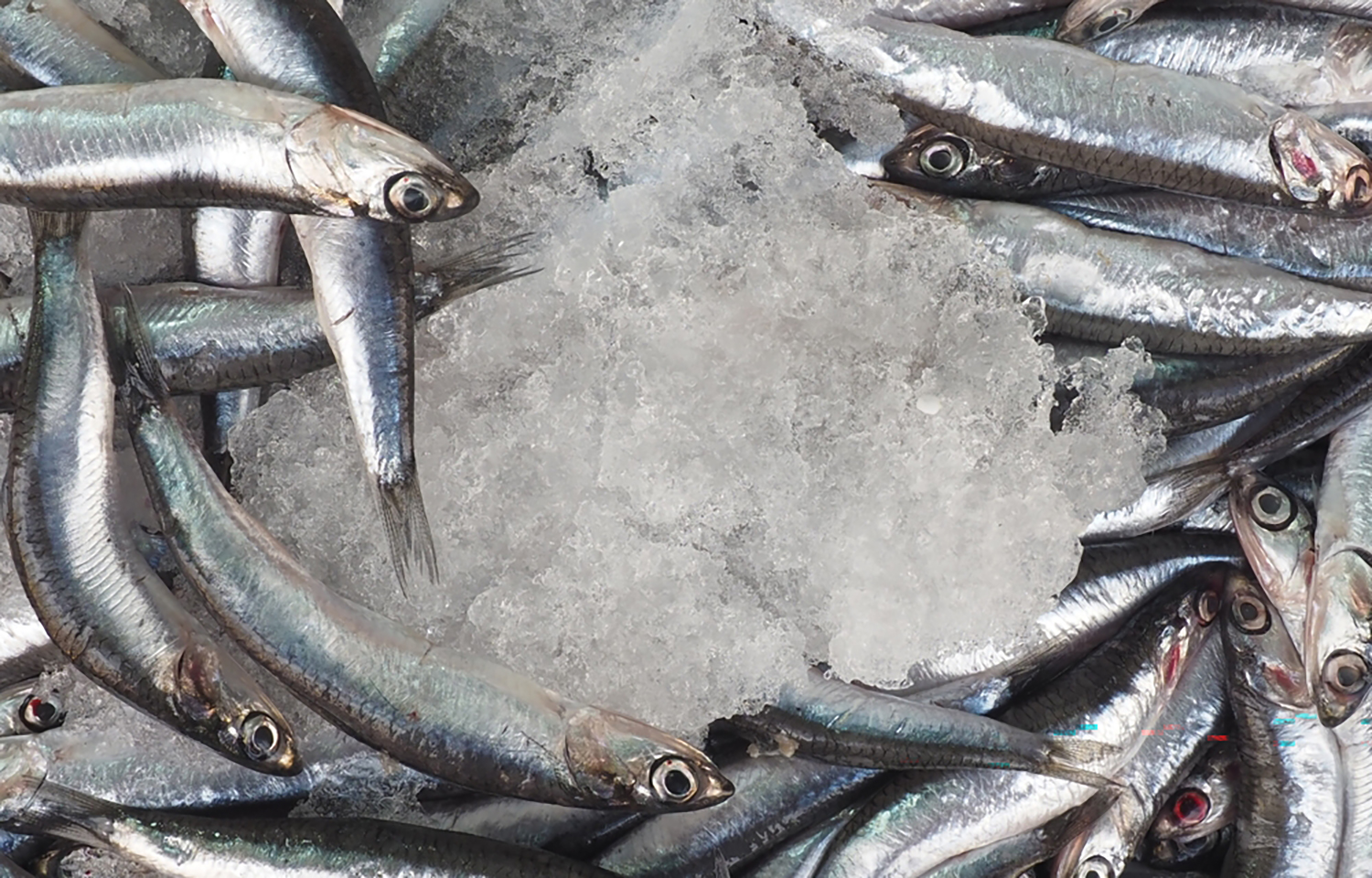
Peru’s Production Ministry (PRODUCE) has once again suspended the fishing season for Peruvian anchovy (Engraulis ringens) and white anchovy (Anchoa nasus) in the nation’s main fishing area.
Officials first announced a ban on anchovy fishing in Peru’s North-Central zone in May and then extended it until 10 June before recently announcing yet another extension. While PRODUCE did not announce a definitive date as to when the latest suspension may end, it said the measure may be lifted fully, partially, or gradually, subject to scientific assessments from the Peruvian Marine Research Institute (Imarpe) and updated biological, fishing, and environmental conditions.
The move has been made in response to warming ocean conditions linked to a coastal El Niño weather event, which has led to a high presence of juvenile anchovy populations.
Until 3 June, the accumulated landing of anchovy in the North-Central zone reached 471,111 metric tons (MT), of which over half corresponded to juveniles, according to official data. This figure represents just 24.6 percent of the total allowable catch (TAC) authorized for the season.
Peru’s anchovy fishery is the largest in the world by volume, and its catch is used to produce about 20 percent of global fishmeal supplies.
“Peru accounts for a large share of global fishmeal and fish oil supply, implying that disruptions quickly tighten availability,” IFFO – The Marine Ingredients Organization Market Director Enrico Bachis said in a release in response to PRODUCE’s latest announcement.
Globally, IFFO has observed weak fishmeal output. April fishmeal production was down 21 percent compared to the same month last year, while year to date cumulative production has dropped 26 percent year over year.
Fish oil output has also been affected, with April production down 19 percent year over year and cumulative output declining 14 percent, led by lower production from Peru, Iceland/North Atlantic, and African countries, it said.
In Peru specifically, the 2026 anchovy season started under heavy restrictions, with PRODUCE setting a TAC of 1.9 million MT, which local newspaper Infobae reported was the lowest in a decade. The quota set is 36 percent lower than that established for 2025, when it amounted to 3 million MT.
This is not the first time El Niño has affected Peru’s anchovy fishery.
PRODUCE closed the country’s second anchovy season early in January 2024, following the complete cancellation of the first season of 2023, which observers called “the worst year in decades” and which led to more than USD 1.4 billion (EUR 1.2 billion) in lost fishmeal and fish oil export sales.
Facing uncertainty due to the persistence of adverse climatic factors, Peru’s National Fisheries Society (SNP) has warned of the need to accelerate scientific studies to preserve the resource and related jobs.
