


SmartGreen Aquaculture (SGA), a Hyderabad, India-based startup, has launched the largest inland trout farm in India, successfully leveraging cutting-edge aquaculture technology in order to farm the coldwater species in a tropical climate.
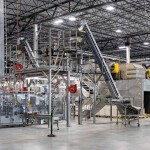
The USD 6 million (EUR 5.1 million) facility, located in the Southern Indian state of Telangana, utilizes proprietary “Agile” recirculating aquaculture system (RAS) technology to maintain Himalayan-style water conditions year-round.
The 7-acre site features a 5-acre hatchery capable of producing 1.2 million fingerlings and a grow-out facility with 44 circular tanks. At full scale, the project is designed for a total production capacity of 1,200 metric tons (MT).
SGA began stocking fish during the final commissioning phase of the site and expects the first commercial harvest in June or July of 2026.
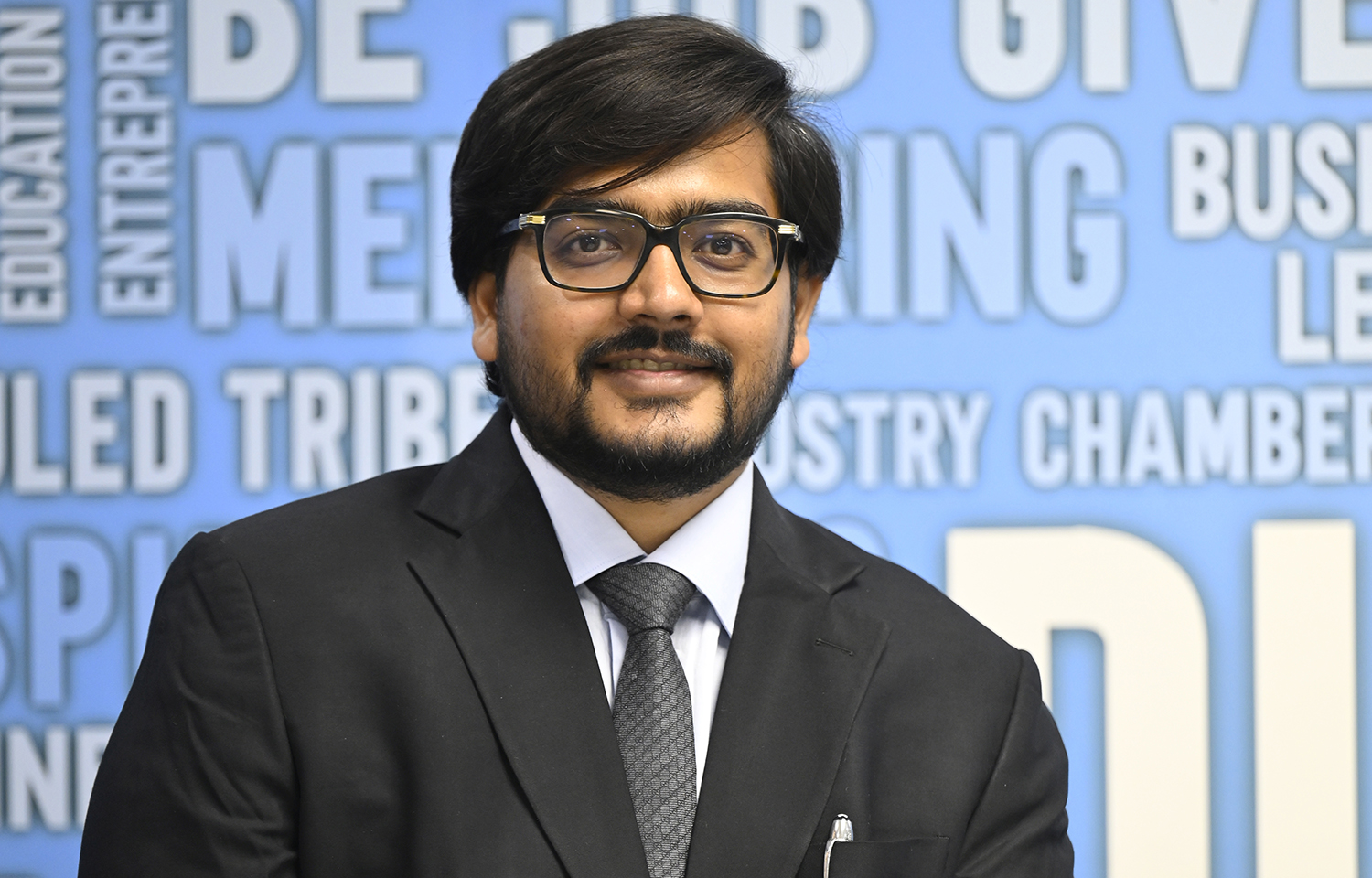
Unlike traditional seasonal farms, the facility is designed for a sequential year-round harvest model, with fish dispatched every four to five weeks. This consistency allows high-end retailers, the hotel, restaurant, and café (HORECA) sector, and airline caterers to secure predictable, long-term contracts instead of relying on the sporadic availability of traditional farms, SGA Founder and Managing Director Aditya Rithvik Narra told SeafoodSource.
“In essence, the facility is designed to function more like a microprocessing plant for protein, generating consistent monthly throughput instead of cyclical output,” Narra said. “This level of predictability strengthens distribution partnerships, enhances export credibility, and improves the overall unit economics of tropical coldwater aquaculture in India.”
The primary engineering hurdle for the company was maintaining stable, low water temperatures in Telangana’s predominantly hot climate without incurring prohibitive energy costs. SGA bypassed expensive, conventional cooling methods by customizing its Agile RAS platform with precision-engineered insulation and advanced heat management. By optimizing flow rates, heat exchange, and system layout, the startup minimized temperature fluctuations while maintaining commercial viability.
With operations now officially launched, Narra said that the company’s growth path will not rely on a single large farm; instead, SGA is adopting a “hub-and-spoke” growth strategy.
The Kandukur site will be utilized as a hub for training and R&D, while scaling production will be conducted through satellite grow-out units near major urban markets like Bengaluru, the Pune-Mumbai corridor, the National Capital Region, and certain cities in the northeast. This decentralized strategy optimizes the cold chain, ensuring premium trout reaches retail and hospitality sectors faster and more efficiently, Narra said.
“Our philosophy is straightforward: Success does not come from being the only farm but from being the company that made coldwater aquaculture a scalable Indian industry. Ultimately, our defensibility will be defined not only by how efficiently we farm today but by how reliably our platform can be replicated tomorrow,” Narra said. “India’s protein gap cannot be addressed by a small number of operators nor can it be solved through coastal farming alone. To build meaningful capacity, coldwater aquaculture must be inland, modular, energy-efficient, and climate-agnostic.”
The company’s roadmap also includes diversifying into other high-value salmonids. Rainbow trout serves as the optimal species for Phase 1 of the site because it features shorter grow-out cycles, strong public acceptance, and access to a mature global ecosystem for genetics and feed. It also was the most logical starting point when considering oxygen levels, stocking densities, survivability, and unit economics under tropical conditions, the firm said.
However, as production volumes climb, the economics increasingly justify an expansion into salmon.
“In short, rainbow trout validates the platform; Atlantic salmon extends its ambition,” Narra said.
India Minister of Fisheries, Animal Husbandry, and Dairying Rajiv Ranjan Singh, who attended the launch of the Kandukur facility in early January, emphasized the project's export potential and vowed to provide all necessary support to help SGA deliver shipments “in a big way.”
For his part, Narra confirmed that SGA is looking to potential international markets in the Middle East and Southeast Asia but noted that the immediate priority is establishing a stable domestic base. Nevertheless, the company is still planning to align its farming, processing, and traceability practices with international standards to meet global export requirements.
In addition to RAS fish farming, another revenue stream for the firm will be commercializing its technology through turnkey solutions and technology transfer programs for other businesses, Narra said. To that end the Kandukur site will house a premium microalgae biorefinery, set to be operational by late this year or early next year, to develop products for the nutraceutical and aquafeed industries.
