


Ramat Negev, Israel-based Mariculture Systems recently announced that it has secured an Aquaculture Activity Title (TAA) from the government of Portugal, which will allow it to start construction on an innovative open-ocean farming platform off the Portuguese coast.
Securing the TAA concludes the environmental and operational licensing process that Mariculture Systems has undergone since 2024.
The company aims to utilize CORALIS technology with the new offshore facility, which is “a semi-submersible platform engineered to sustain 17-meter-high wave surges” using a series of cages and pod systems, surrounded by a kitchen and dining area, meeting rooms, laboratories, and a management hub that are solar- and wind-powered.
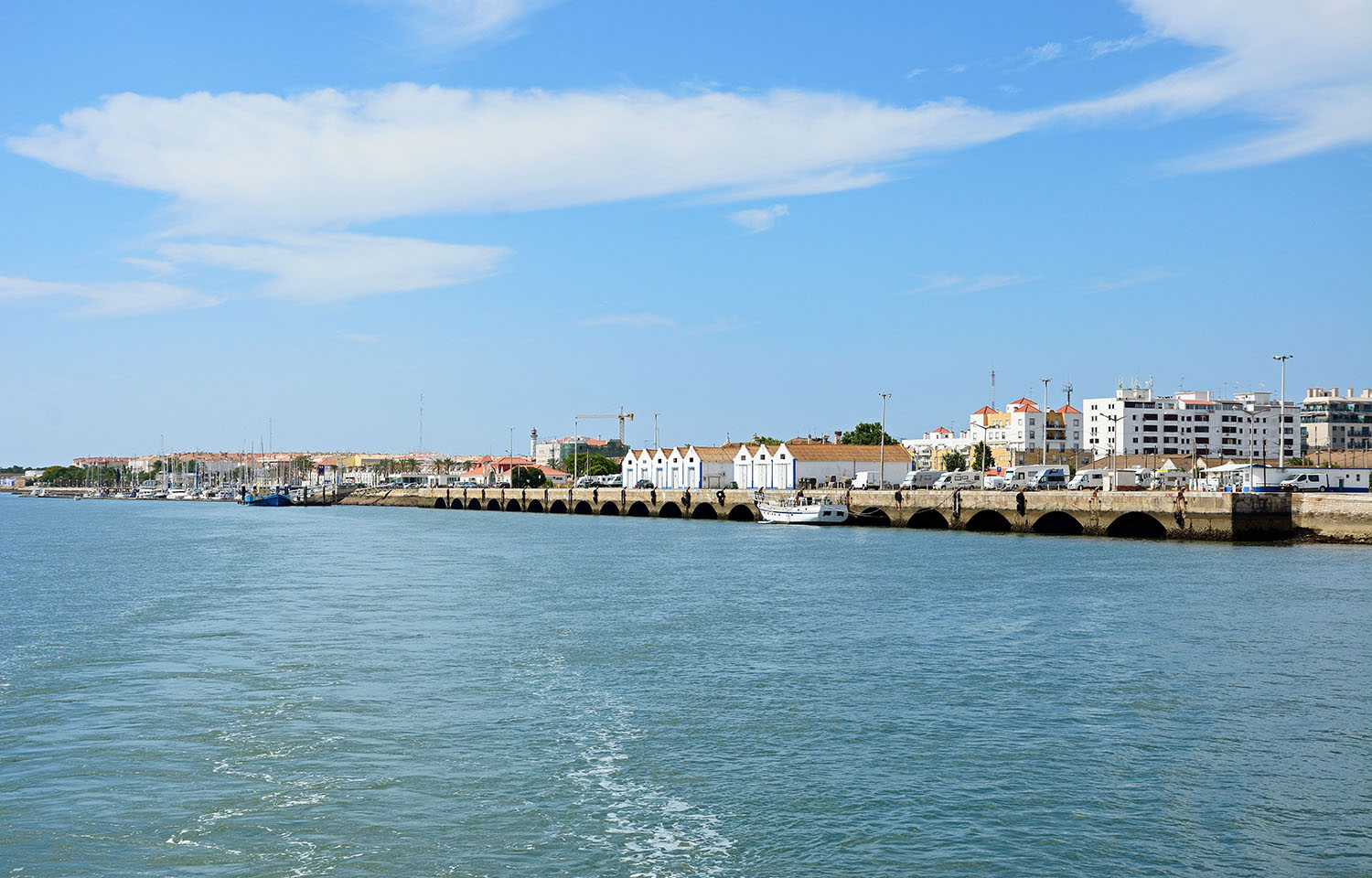
The project will be installed off the coast of Algarve, Portugal, about 7.5 nautical miles south of the mouth of the Guadiana River in the municipality of Vila Real de Santo António. This area was chosen, according to technical documents, due to being close to the limit of territorial waters with Spain, with waters ranging in depth between 65 and 85 meters. The large semi-submersible central platform will be about 50 by 50 meters, and everything included will reach about 16,000 square meters.
“We chose Portugal as the first location for the CORALIS farm for several important reasons," Mariculture Systems CEO Yaron Bar-Tol told SeafoodSource in 2024. "First, Portugal has a National Strategy for the Sea for 2021-2030 that actively encourages offshore aquaculture, technological development, and blue innovation; second, the country has a large seafood deficit; third, the south coast offers excellent parameters in terms of water quality, depth, and weather stability; and finally, it offers good access to the European market."
The company said it plans to develop capabilities to grow gilthead sea bream and European sea bass and is aiming for 8,000 tons a year once fully operational. Due to the design and placement, nets are able to be submerged in greater depths during adverse weather conditions, which will promote both fish welfare and prolong the integrity of the structure during storms in the Atlantic Ocean. Software will include artificial intelligence and cameras to aid fish feeding, helping to minimize waste and impact on the seabed.
In 2024, the company said it plans to build 10 systems in Portugal over the next several years. For this first iteration, now that CORALIS has been approved, the construction and assembly of the structures in shipyards is slated to take around 18 months, and at-sea production would begin ideally in 2027, with commercial deployment to follow in 2028.
