



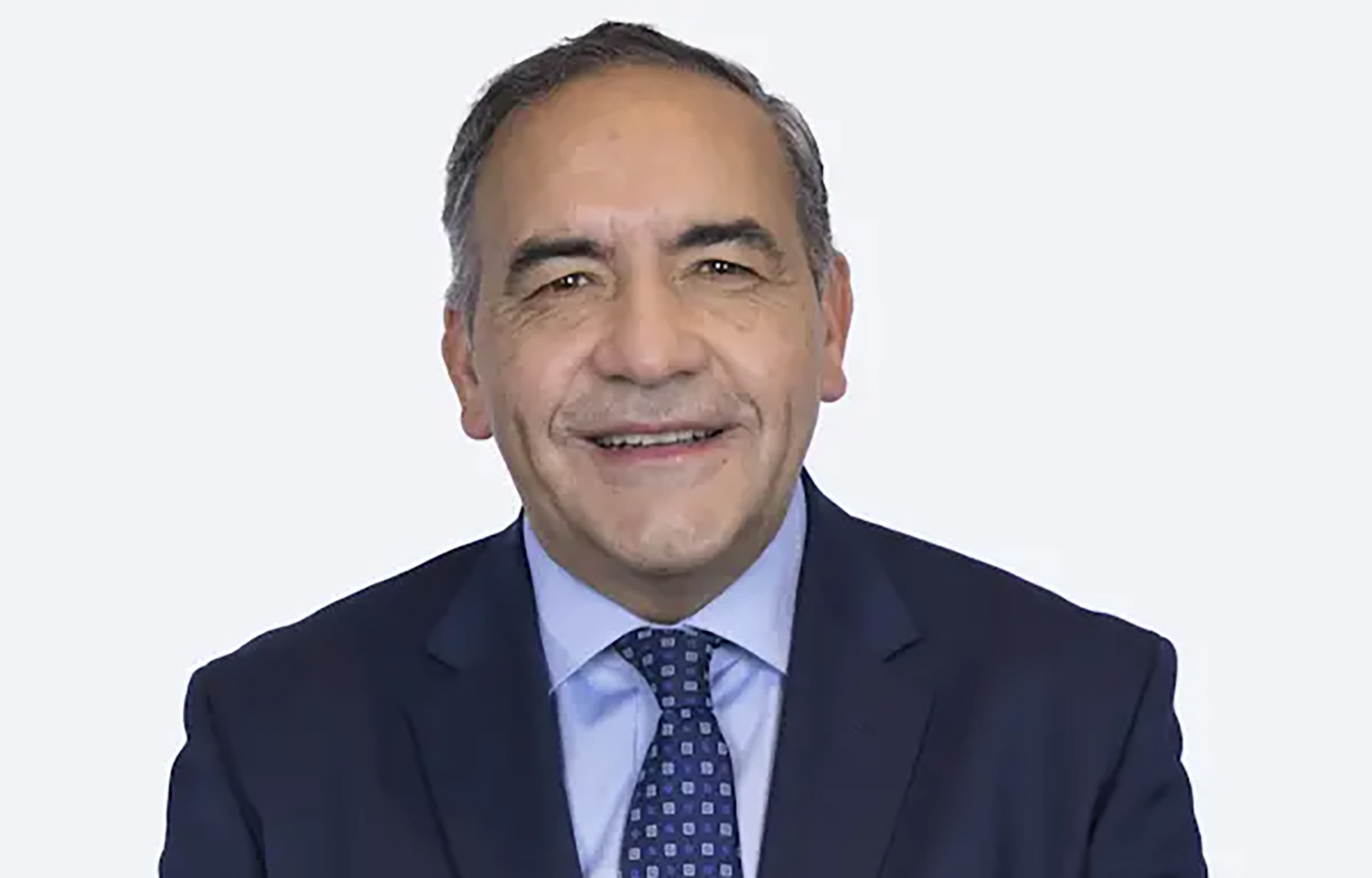
Chile Senator Fidel Espinoza has called for the urgent formation of a working group to analyze the safety conditions of divers who perform maintenance work on the nation’s salmon farms.
The call came shortly after the deaths of two divers occurred in under one month, both of whom worked for contract firm Tridente Servicios Acuícolas. One of the fatal accidents took place at the beginning of June at a farm belonging to AquaChile, and the other occurred at the beginning of July at a farm owned by Mowi Chile.
“No one doubts the importance of the salmon sector in the generation of direct jobs. More than 80,000 people have contracts associated with this economic activity, and [salmon] is the second most important export in the country after copper,” said Espinoza, who represents the Los Lagos region – a significant salmon-producing area in the south of Chile. “However, today, the industry is experiencing a crisis, about which we cannot remain silent. In just the seven months to date this year, 11 workers in the salmon industry have died in absolutely avoidable incidents.”
According to the Association of Professional Divers of Chile, 245 diving accidents took place at Chilean salmon farms between 2004 and 2022, of which 44 ended in death. The association has been outspoken about the need to improve working conditions, reinforce safety, and implement good labor practices.
“Each loss should be a call to improve working conditions, reinforce safety, implement good labor practices, and demand that the noble, essential work of diving be respected with dignity and responsibility,” the association said in a statement last year.
The repetition of fatal accidents has reopened a debate on working conditions in salmon farming, especially regarding professional diving, which is considered among the riskiest roles within the aquaculture sector. Such incidents have placed the spotlight again on companies’ prevention responsibilities and reinforced the importance of supervision, training, risk assessment, and compliance with safety protocols.
Recognizing the issue, Chile actually enacted a law governing such incidents – dubbed “the diver’s law” locally – just before the latest fatal accident that took place at Mowi Chile.
However, even with the law in place, Espinoza said the situation remains “worrying and unsustainable.”
“Although the diver's law provides better recourse to families [of divers], we don’t want there to be any more victims. The industry needs to take on a much greater responsibility to better supervise their own subcontracting. Public agencies need to play a more active role [in supervision] and not be only reactive when tragedy strikes,” he said in a statement.
To prevent future accidents, Espinoza called for more concrete measures that prioritize the protection of workers' lives, outline the reinforcement of safety conditions at work, require strict compliance with risk prevention protocols, and increase oversight.
He also requested that exhaustive investigations be carried out to clarify the circumstances of each accident and establish if there were breaches of occupational health and safety regulations, underlining that salmon industry growth must be accompanied by a commitment to protect the life and integrity of all workers, including contracted divers.
To this end, Espinoza vowed to soon present a bill to Chilean Congress that would sanction companies whose workers perish in workplace accidents and has dubbed it the “Koñimo law,” specifically referencing an incident that took place in January in which the vessel Koñimo I – which was providing services to salmon-farming firm Salmones Austral – sank, killing six of the crew of eight.
Meanwhile, some Chilean aquaculture firms have taken it upon themselves to institute programs aimed at ensuring worker safety.
In a post on LinkedIn, Chilean salmon-farming firm Multi X reported that it recently received a visit from local governmental health and occupational safety officials that had come to review the company’s diving project Diving X.
Since the program’s launch in January 2023, more than 6,500 dives have been performed for maintenance and other critical operations, racking up over 340,000 minutes of operational diving times with zero equipment failures or serious accidents.
Diving X Project Manager Christopher Du Toit highlighted the visit as an opportunity to share best practices while confirming the company’s commitment to safety, operational excellence, and care for workers.
“With Diving X, we’ve professionalized the company’s diving with international standards, standardized procedures, careful nutritional conditions, habitability, and connectivity for divers, along with state-of-the-art equipment,” Multi X Corporate Affairs and Sustainability Manager Francisco Lobos said, adding that the program is also being rolled out with contractors.
Diving X forms part of the company's occupational health and safety model Cross Check. During the three years of the model’s implementation, Multi X has reduced the frequency of accidents by 75 percent and the severity of accidents by 78.5 percent, with no records of serious injuries or fatalities with direct collaborators or contractors.
