



A lawsuit against Cooke Inc., Omega Protein, and Ocean Harvesters has been defeated after the United States Court of Appeals upheld its dismissal in January 2025.
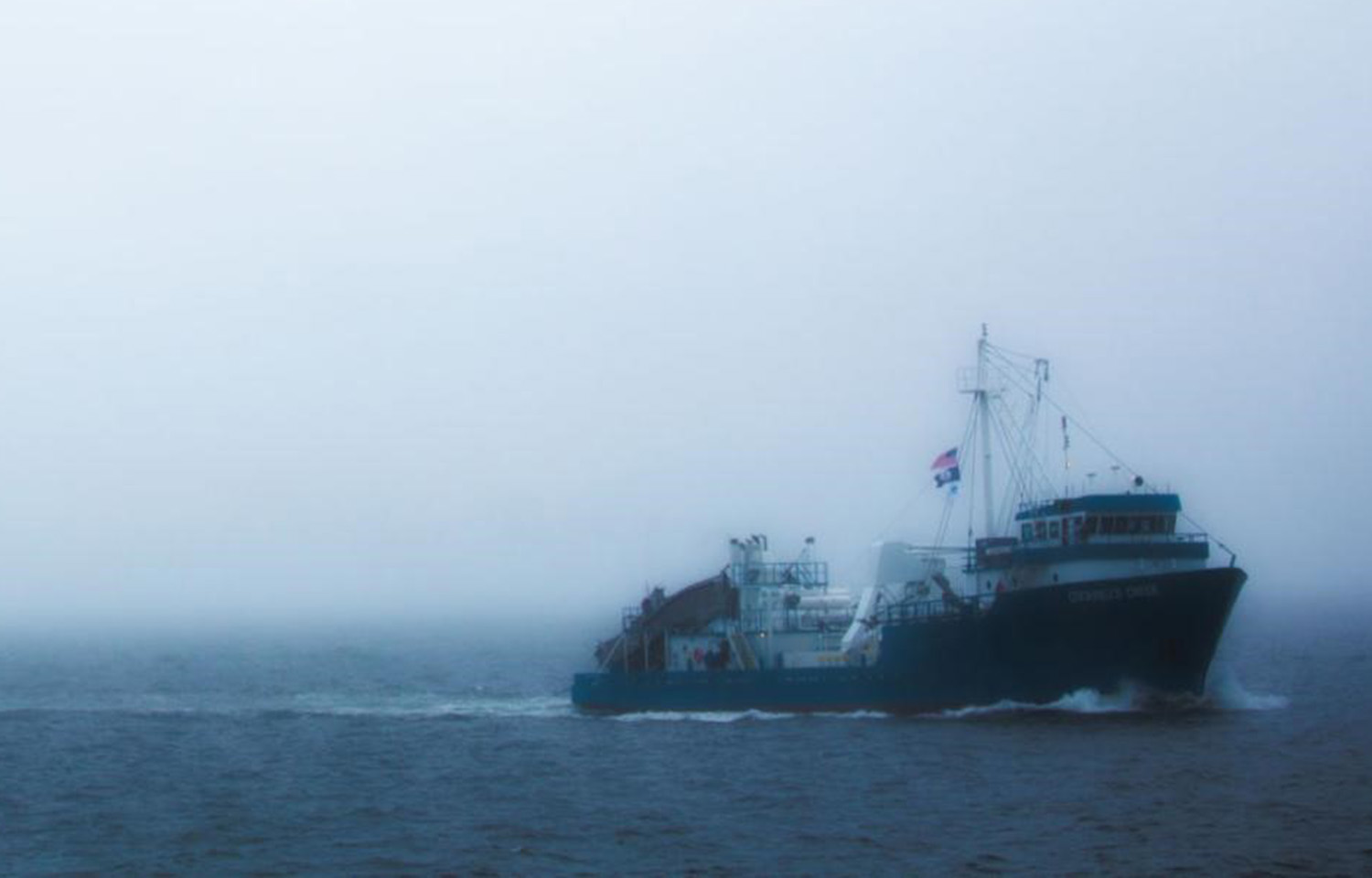
Cooke Inc. was facing a lawsuit brought by W. Benson Chiles and Chris Manthey on behalf of the U.S. government, which claimed the company was committing “figurehead fraud” by controlling a fleet of fishing vessels based in the U.S. The lawsuit named a number of companies associated with Cooke including Omega Protein; Alpha VesselCo Holdings, which is also known as Ocean Fleet Services; and Ocean Harvesters.
The plaintiffs claimed the U.S. fishing fleets were actually owned and operated by Cooke, which as a Canadian company is not legally allowed to own a U.S. fishing fleet under the American Fisheries Act (AFA) of 1998, therefore constituting a violation of the False Claims Act (FCA).
In January 2025, a federal judge dismissed the lawsuit in its entirety after agreeing with Cooke’s legal claim that neither fishing licenses nor fish qualify as “property” under the FCA.
Now, an appeals court affirmed that dismissal in a unanimous decision.
"We are pleased that the Second Circuit carefully considered the legal issues and unanimously affirmed the district court's dismissal of this case," Ocean Harvesters Spokesperson Ben Landry said. "This decision confirms what the defendants have maintained throughout this litigation: The claims asserted by the relators did not satisfy the requirements of the False Claims Act. The Court held that wild fish in public waters are not government property under the FCA and that unassessed, discretionary civil penalties do not create an obligation to pay under the statute."
In the case, the panel agreed that wild fish do not qualify as property under the FCA and that no one owns or has a property interest in wild fish within state or federal waters.
“In reaching this decision, we emphasize that, although federal and state governments do not have a proprietary interest in wild fish and game, they retain broad powers to regulate the taking of such wild fish and game,” the appeals court wrote in its decision. “Instead, consistent with Supreme Court precedent, we conclude that this power to regulate wild fish and game is not based on ownership and does not create a property right in them and, thus, cannot be the subject of a cause of action for fraud in connection with a claim for property under the FCA.”
In a release, Ocean Harvesters said from the “outset of case” it has maintained the lawsuit misstated facts and ignored the law.
“The district court dismissed the amended complaint, and the Second Circuit has now affirmed that judgment, holding that the pleaded claims failed under the False Claims Act,” the company said.
