






A Mississippi court has struck down a private lease scheme invented by the state legislature for future oyster harvesting, deeming the program unconstitutional.
“In sum, and as discussed hereafter, the court finds that the On-Bottom Lease Laws effectively deny the plaintiffs and the public the right to harvest oysters guaranteed to them by [the Mississippi state constitution] and further that the obligations placed on the lessees by the On-Bottom Lease Laws do not promote oyster conservation and management for future generations of the public,” Chancery Court Judge Jim Persons said in a 23 March ruling.
In 2024, the state of Mississippi adopted a new law that enabled the state Department of Marine Resources (DMR) to lease up to 80 percent of on-bottom oyster reefs to private companies and individuals.
“The overall goal is to promote the prosperity of coastal communities and foster a thriving and sustainable shellfish industry in the state,” MDMR said of the changes. “One of the primary objectives of the updated regulations is to encourage private individuals or businesses to lease and develop water bottoms, thereby increasing oyster production in Mississippi.”
However, commercial oyster harvesters were outraged by the plan, which they said would close off the publicly available reefs they relied on for work. In May 2025, nonprofit Mississippi Commercial Fisheries United and a group of commercial fishers sued, claiming the law violated their constitutional right to harvest from public oyster reefs.
In August 2025, the commercial harvesters won an initial victory, with a chancery court finding the state’s scheme unconstitutional and issuing a preliminary injunction barring the state from issuing new leases.
Following that decision, the state government filed a joint motion to reconsider. However, in the 23 March decision, Persons denied the state’s motion to reconsider, replacing the preliminary injunction adopted in August 2025 with a permanent injunction barring the state from entering into any new lease agreements of submerged lands for oyster harvesting. Under the ruling, the Mississippi DMR may only renew “existing leases of mud-bottom submerged lands that are not on natural reefs or historic areas of natural reefs.”
“The evidence establishes to the satisfaction of the court that many of the plaintiffs, if not all, are dependent, at least in large part, if not totally, for their livelihood and that of their families on the income from the sale of oysters from the Mississippi reefs,” Persons said. “The On-Bottom leases, if granted, exclude the plaintiffs and the public from harvesting oysters from the natural reefs leased pursuant to the On-Bottom Lease Laws and from which the plaintiffs and public have harvested oysters for many generations.”
“In essence, the On-Bottom Lease Laws effectively convert public oyster reefs and bottoms to private reefs,” he added.
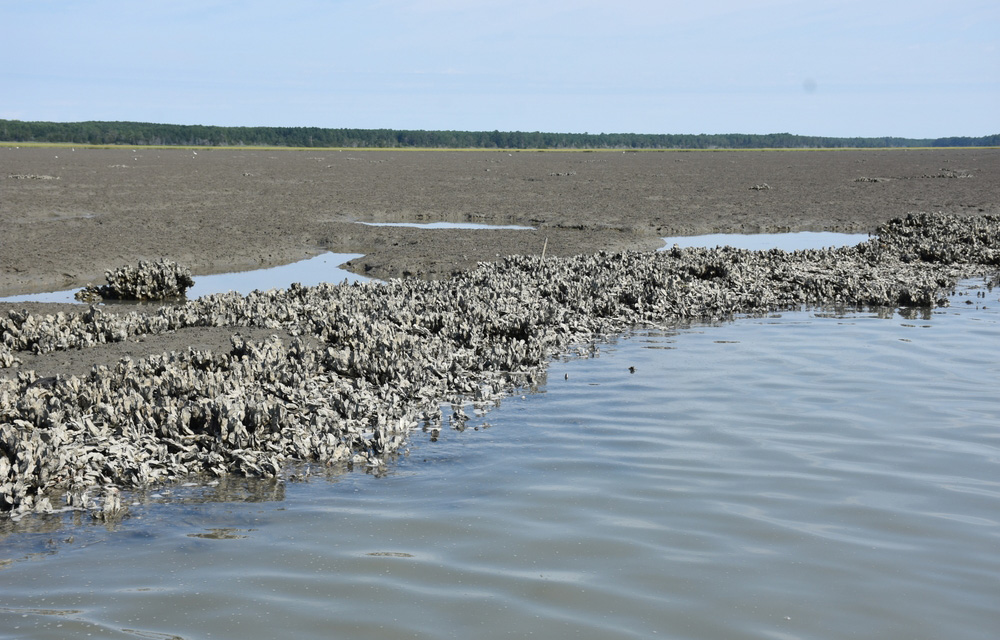
Previously, members of the public were allowed to harvest oysters from any of the 7,277 acres of productive oyster reefs in the Mississippi Sound.
The court also ruled that the language used in the law is vague and ambiguous, making it impossible to enforce. The prime example pointed to was the use of “permitted areas” in the language of the law, which Persons noted is a term that is subject to at least three different interpretations.
“This new program would have undoubtedly left out the overwhelming majority of our commercial fishermen and recreational fishermen and irreparably harmed our fishing families and way of life for generations to come,” Ryan Bradley of Mississippi Commercial Fisheries United said in a press conference following the ruling. “The court enjoined the agency from implementing the legislature’s recent changes that sought to create a private on-bottom oyster leasing program.”
