



Researchers at the University of Maine have developed a tool using satellite data to predict which farming sites may result in the fastest growth rates for eastern oysters to reach market size.
In a study published in January, researchers combined data from Landsat 8 and 9 – a joint National Aeronautics and Space Administration (NASA) and U.S. Geological Survey mission that records sea surface temperature – with European Sentinel-2 satellite estimates of oyster food availability made through chlorophyll-a and particulate organic matter (POM) measurements to model growth and predict the time required for eastern oysters (Crassostrea virginica) to reach market size in Maine’s nearshore waters.
“Site selection is one of the most critical steps for a new [oyster] farmer. They have to balance existing use of the waters, access, and operational concerns such as wind and waves. However, having a site that has the right conditions for good growth is also vital,” Tom Kiffney, a post-doctoral student at the University of Maine and the lead author on the study, said. “The longer an oyster takes to grow, the more labor goes into maintaining it. This doesn't mean areas with slower growth can't be good places for a farm, but it is helpful to at least know an estimate of the conditions to plan for aspects like overwintering and space to hold multiple year classes of oysters.”
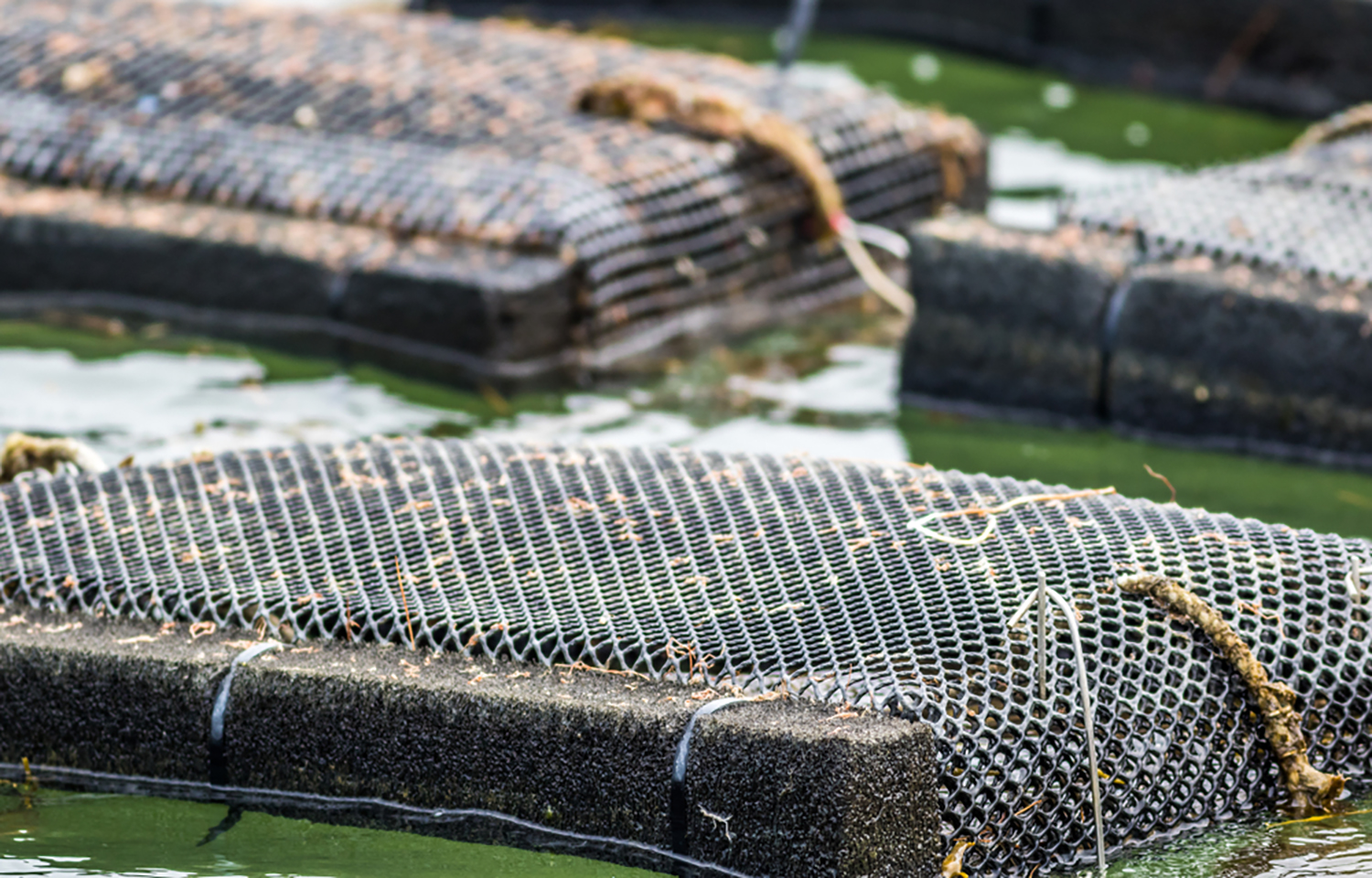
Oysters filter feed on phytoplankton and experience increased metabolism and growth in warmer waters. They also require steady water flow to maintain that supply of food – in some cases filtering up to 50 gallons per day. Often, oysters take anywhere from one to three years to reach market size of around 3 inches.
Comparing information on how oysters divide their energy between growth, survival, and reproduction with satellite data, the model was able to predict growth rates across different areas of the jagged Maine coastline.
The study found that the areas that had the best potential to reach market size in under 18 months were primarily at the heads of Midcoast estuaries, such as the New Meadows, Damariscotta, Medomak, and St. George rivers, as well as in the northern portion of Casco Bay and within the Kennebec River system.
Production rates within the Maine oyster industry increased 78 percent between 2011 and 2021, reaching approximately USD 10 million (EUR 8.5 million) in value. With over 3,400 miles of coastline, Maine’s water depth, temperature, and circulation can shift dramatically within a few miles of each area. Since oysters are non-fed species, shellfish farmers rely directly on natural temperature conditions and food availability, making correct site selection critical, according to Kiffney.
However, Kiffney explained that this data is not meant to act as explicit advice on where to farm oysters; it is just meant to be an additional resource for farmers deciding where to launch operations.
“Farmers rely on a variety of ways to select sites. It usually starts with narrowing down where they can access water near where they live, and then they can check conditions like water temperature themselves with buoy data or handheld tools and explore sites where other folks are already growing,” Kiffney said. “There is also a permit option called a limited purpose aquaculture license in Maine. Farmers can hold up to four of these small leases that allow them to trial a certain area. This work is just intended to be an additional resource to add the methods folks already use.”
The research built upon similar satellite systems that have been previously used to assess the suitability of oyster-farming locations along the U.S. East Coast, as well as kelp farming potential along the West Coast. This study in particular, though, represented the first attempt to couple environmental suitability with the growth modeling of oysters to produce an estimated time to market.
Kiffney said that future research may aim to identify different plankton species and POM, as some species can be harmful to or offer different nutritional value for oysters, but for now, researchers aim to develop the model into a usable online tool that oyster farmers can apply directly when selecting coastal locations and estimate time to market.
“We have had workshops for prospective farmers through programs like Aquaculture in Shared Waters where we show the data like sea surface temperature and how to access it. We are slowly developing tools like dashboards to make it more available,” Kiffney said. “Overall, Maine is a great place to grow oysters and has a strong reputation for high-quality seafood. Early pioneers in Maine oyster aquaculture showed it was possible and laid the foundation. Then, as more folks look to enter the industry, Maine Sea Grant, the Maine Aquaculture Innovation Center, the University of Maine, and a wide range of other groups have developed many resources, training programs, hands-on workshops, and education efforts to help people enter the industry. I think the industry here is highly collaborative, and Maine farmers often share their knowledge and expertise to help new farmers start their own farms.”
