


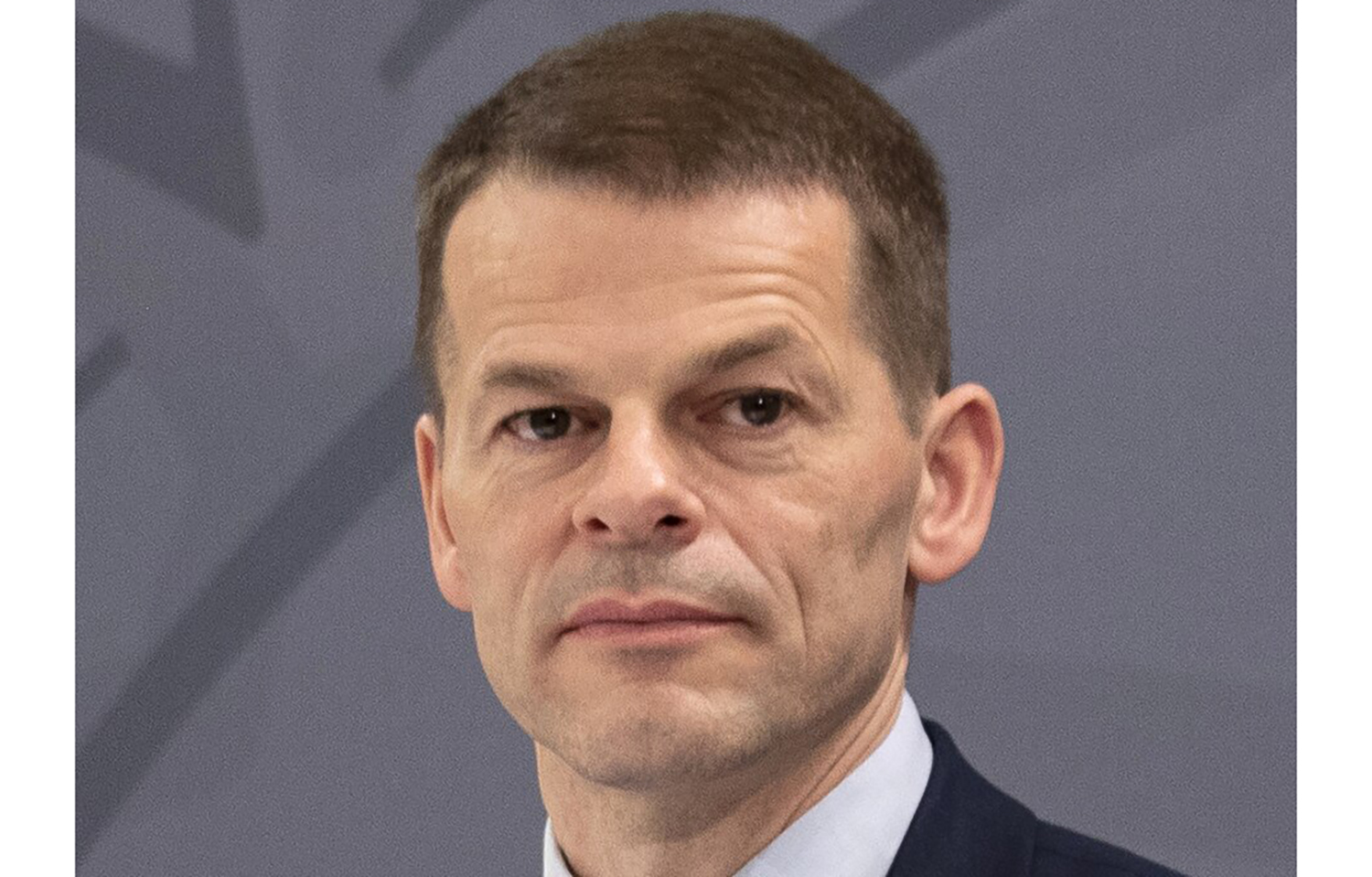
Faroe Islands Fisheries Minister Bárður á Steig Nielsen has increased the number of fishing days allocated to part-time small-scale fishers, running counter to the advice of scientists and the wishes of wide swaths of the Faroese fishing industry.
In the Faroes, quotas regulate the number of “fishing days” each vessel can go out to sea; essentially, each vessel with a fishing license has a certain number of allocated fishing days and can fish for a limited time during those days.
According to Faroese law, the smallest vessels are categorized as either “5a” if they are operated by full-time fishers and “5b” if they are operated by those who only fish part time and have other jobs on the side.
Nielsen, who is also the former prime minister of the Faroe Islands, is proposing increased days for the latter group and cited cultural heritage as a prime reason for doing so.
"There is fish to be caught at the moment, and it's an important part of Faroese culture that small boats should have access to fishing," he said, per Faroese broadcaster KVF.
The change comes as many important stocks in Faroese waters are at critical population levels, leading conservationists and representatives from several parts of the Faroese fishing industry to lambast Nielsen’s decision.
Finnbjørn Vang, who is the chairman of Meginfelag Útróðrarmanna – which is the small-scale fisheries union in the Faroes – and a small-scale fisherman himself, has long argued that the Faroese government has unfairly reduced fishing days across the entire industry when stocks show declines, explaining that such decisions overlook the fact that one day of fishing significantly impacts small-scale vessels in particular, which cannot fish in all weather conditions.
Though Nielsen’s move might seem to align with Vang’s position on the surface, Vang explained it only benefits a small subsection of fishers who are least dependent on fisheries as a livelihood.
"The proposal doesn't make any sense at all. It's almost like the minister must have come up with it while sitting with friends on a boat at a festival or something," Vang told SeafoodSource. "The minister's proposal doesn't fix any problem. The group who would get more fishing days according to this bill doesn’t depend on fisheries to get food for their family. They don't employ anyone. While the rest of us have to fight to get enough access for our fisheries, [others would] get it easily.”
Besides ensuring fairness within the small-scale sector, Vang said the decision runs counter to the longstanding management plan the industry already follows and, therefore, is likely to hurt the sustainability of Faroese fisheries.
In 2019, the industry and the Faroese Institute for Marine Research, Havstovan, agreed on an updated management plan in hopes of achieving sustainability within its fisheries, as well as maintaining and securing new Marine Stewardship Council (MSC) certifications.
As a result, the fishing days system changed, with the number of fishing days available steadily declining in tandem with declining stock populations, marking a reversal of decades’ worth of government decisions that either increased fishing days or kept them the same.
Vang stressed the importance of sticking to that plan.
“I’m not against the idea of some of our members getting more fishing days, but it’s important that we reform the whole system if there is a problem and stick to our management plan now,” he said. “I think if we stick to the system for another year, we will finally have achieved a healthy level of fishing pressure.”
With Nielsen’s plan representing a departure from the plan, however, Faroe Islands Sustainable Fisheries Director Durita í Grótinum said the ability of Faroese fisheries to maintain MSC certifications and, potentially, to access lucrative export markets could be compromised, arguing that the certification body and scientific authoritative groups like the International Council for the Exploration of the Sea may not view cultural heritage as a good enough reason to make such changes.
As this plays out, Nielsen told KVF that the industry should not voice its criticism so publicly.
“We in the Faroes have to be careful how we comment in public because if the industry debates this publicly, the world listens,” he said. “It could backfire for us.”
