





In response to the destruction of a massive cold storage facility in Boyle Heights, Los Angeles, California, U.S.A., in June, California Governor Gavin Newsom has signed into law two bills raising fines and emergency requirements for cold storage providers.
“Boyle Heights showed us the lasting impact a major facility emergency can have on a community. These laws strengthen the tools, resources, and accountability needed to protect residents and help communities respond when emergencies happen,” Newsom said in a statement.
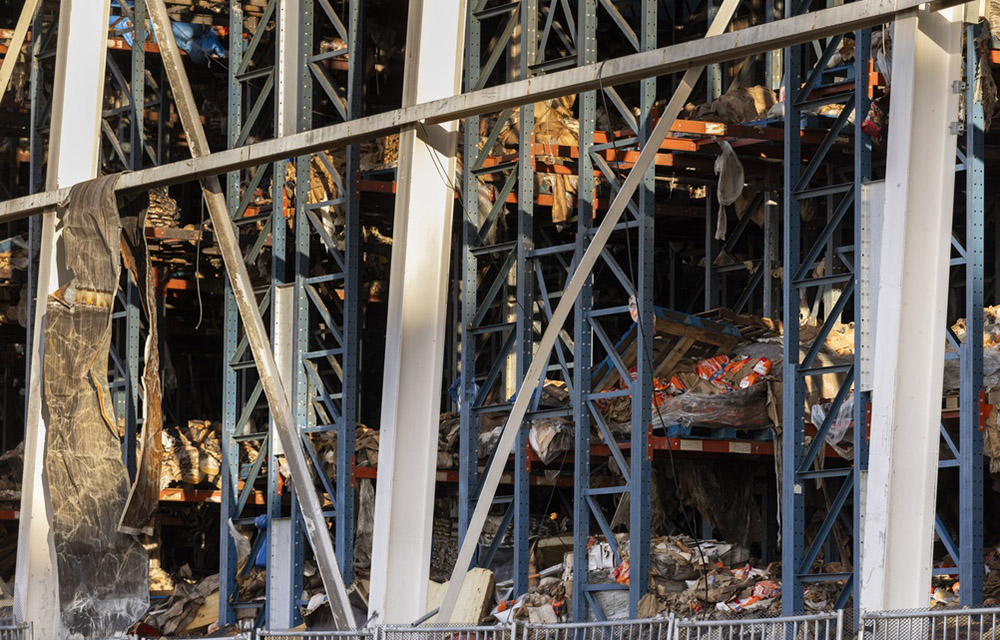
On 17 June, a fire started at cold storage provider Lineage’s 491,000-square-foot “Big Bear” facility in Boyle Heights, burning for multiple days and destroying the facility. In the fire’s aftermath, the millions of pounds of meat and seafood left behind rotted, blanketing the surrounding neighborhood with a foul stench and drawing in pests. While Lineage conducted a large-scale cleanup of the fire and completed food removal on 29 August, the fire’s aftermath led to thousands of odor complaints and frustration from local and state officials.
“Families in Boyle Heights and East LA were exposed to toxic smoke and lived with the stench of millions of pounds of rotting food for months. They could not open their windows and could not let their kids play outside. Their health suffered, while the company responsible faced fines too small to matter,” California State Senator María Elena Durazo said in a statement.
In response, Durazo and other state lawmakers introduced two bills.
The first, SB 716, increases fines for violations of local ordinances involving nonresidential structures of 20,000 square feet. The second, AB 817, requires cold storage providers to establish an emergency contingency fund in order to receive permits for large cold storage facilities.
“These pieces of legislation ensure cold storage companies take responsibility for the impacts of their operations, provide critical protections for residents in the event of an emergency, and allow cities and counties to impose higher fines when the health and safety of communities are threatened. I will continue doing everything in my authority to connect residents to critical assistance and to demand the answers and accountability this community deserves,” Los Angeles Mayor Karen Bass said in a release.
The bills were opposed by the Global Cold Chain Alliance (GCCA), which argued that the changes would only serve to increase food costs and disincentivize the building of new cold storage facilities without addressing the problems raised by the Boyle Heights fire. After Newsom signed the bills 27 September, GCCA said it would work with lawmakers to improve the law in the next legislative session.
"We're disappointed that this legislation moved forward in its current form because it doesn't deliver what communities actually need in the wake of the Boyle Heights fire and adds real costs to an industry that keeps food and medicine available and safe for millions of Californians," GCCA President and CEO Sara Stickler said in a statement. "However, we look forward to sitting down with ... lawmakers and community stakeholders in the next legislative session to build a policy that genuinely strengthens emergency preparedness without pricing responsible businesses out of California."
