


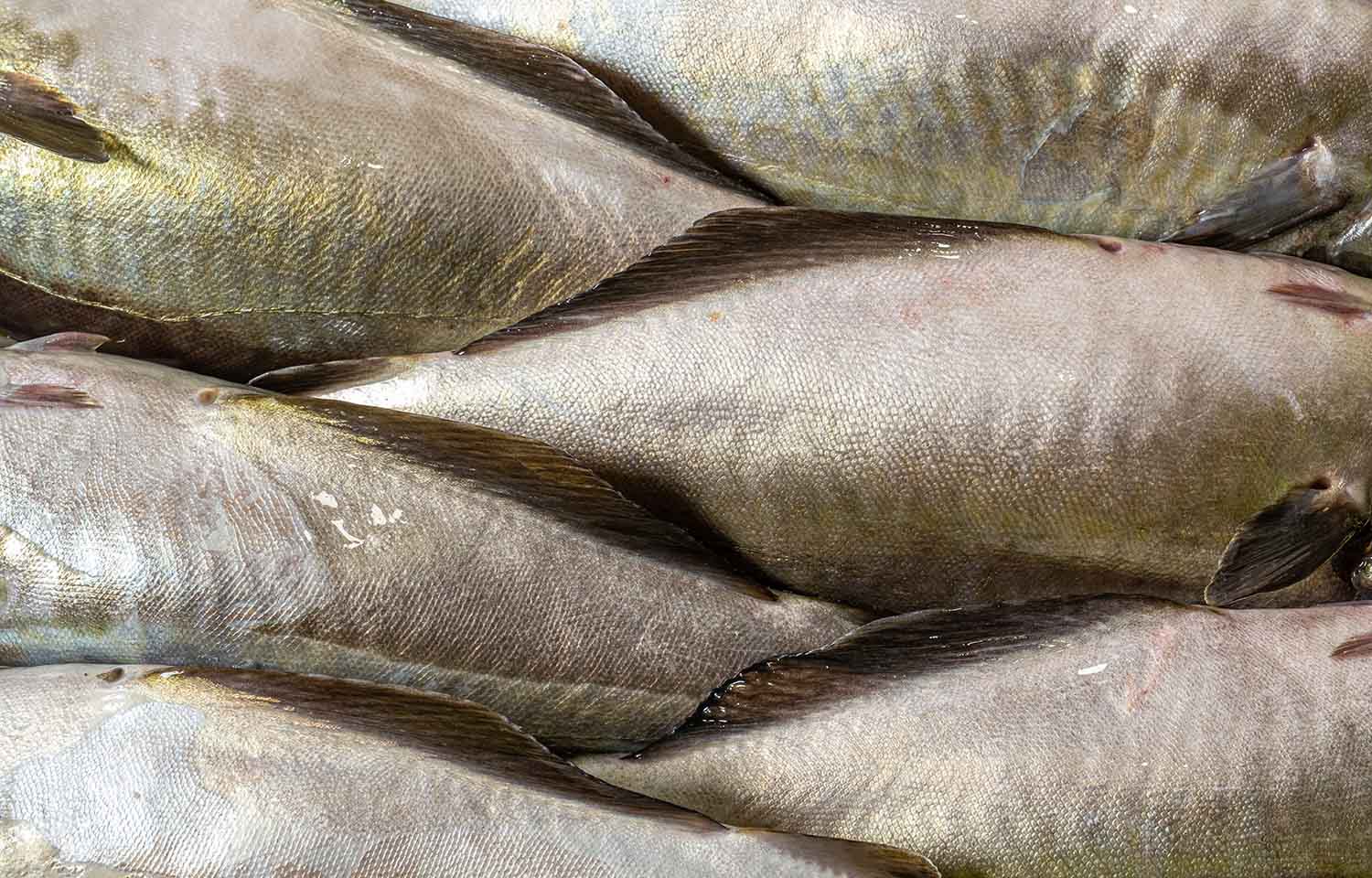
The Association of Genuine Alaska Pollock Producers (GAPP) recently shared the findings from a second comprehensive life cycle assessment that aimed to measure the nine impact contributions from 2024 harvests of Alaska pollock.
The nine contributions included greenhouse gas emissions, acidification potential, marine eutrophication potential, freshwater eutrophication potential, marine ecotoxicity potential, freshwater ecotoxicity potential, terrestrial ecotoxicity potential, energy resource use, and ozone depletion potential, according to a release by the organization. Results showed a “dramatically lower impact” than the previous study conducted in 2021. Additionally, researchers from Dalhousie University “solidified wild Alaska pollock as having one of the lowest carbon footprints of any protein source.”
“This study confirms that wild Alaska pollock is the right protein choice for consumers who seek to lower their environmental footprint through their dietary choices,” GAPP Chairman Jim Johnson said. “All of us who harvest and process wild Alaska pollock are extremely proud that in addition to the sustainable and responsible management of the resource and our products’ healthfulness and affordability, the low carbon emissions are yet another reason for consumers around the world to increase their consumption of wild Alaska pollock.”
The results shows that on average, greenhouse gas emissions associated with Alaska pollock products were 16.7 percent lower than those reported in the 2021 study, and Alaska pollock fillets produce only 27 percent of the impact of chicken, 16 percent of the impact of pork, and less than 3 percent of the impact of beef, the organization said in the release.
The research team included Dalhousie University Professor Peter Tyedmers, who is also an authority on the energy usage and related environmental performance of seafood systems. Michelle Mann, a master's student in the university’s Master of Environmental Studies Program, also contributed.
“I have been studying the energy efficiency of food production for close to 30 years, and the results of this study remind us that harvesting and processing of Alaska pollock from U.S. waters is one of the most energy-efficient and climate-friendly methods of producing high-quality animal protein for human consumption I have analyzed,” Tyedmers said.
The research provides a closer look at the life cycle greenhouse gas emissions when producing wild Alaska pollock products like fillets, surimi, roe, minced fish meal, and fish oil.
“I am extremely grateful for the responsiveness of the industry in providing the data needed to complete this study," Mann said. “It enabled us to conduct a very robust analysis with a high level of confidence in the results.”
