



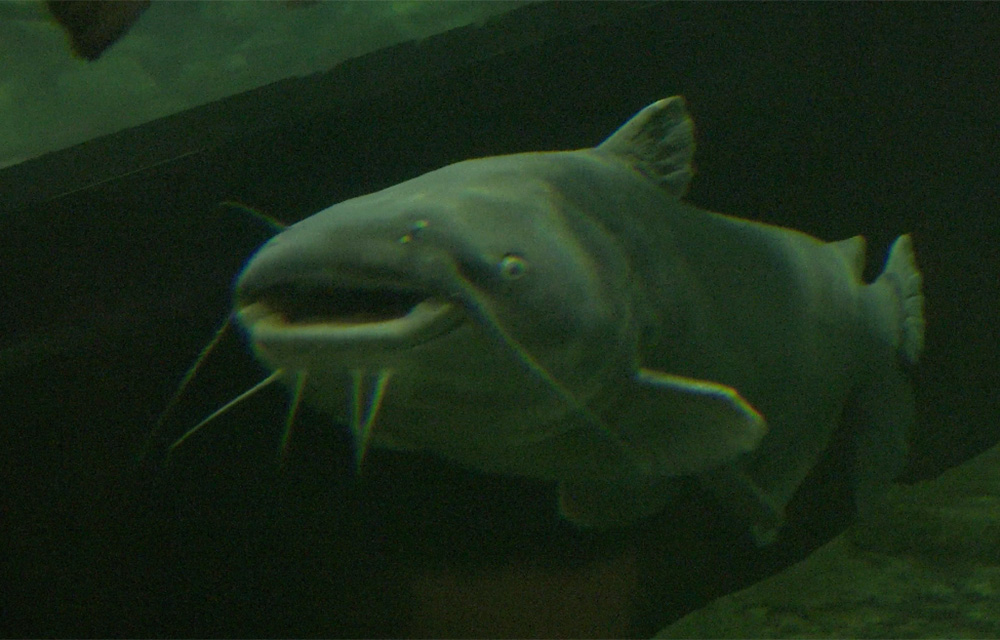
Lawmakers in the U.S. state of Maryland have voted to pass legislation expanding its blue catfish pilot program, which was instituted to help remove more of the invasive fish from the state’s waterways.
Introduced recreationally in the 1960s, voracious blue catfish have since spread throughout Maryland, outcompeting native species and harming local ecosystems. State governments in both Maryland and neighboring Virginia have tried to encourage their removal from waterways by offering financial incentives for those who catch them and supporting local processors.
Those efforts have gone federal, too; in 2025, the U.S. Department of Agriculture announced USD 6 million (EUR 5.2 million) in grant funding to increase catfish processing in the Chesapeake Bay region. The department announced USD 2 million (EUR 1.7 million) in grant funding to two businesses under that program in March.
Last year, the Maryland legislature created the Invasive Blue Catfish Pilot Program, directing the Invasive Catfish Advisory Committee to work with the Maryland Department of Natural Resources to curb the spread of catfish. The government developed three pilots: the For-Hire/Commercial Blue Catfish pilot, which allowed individuals to run for-hire and commercial trips for blue catfish simultaneously; the Mid- and Lower-Bay Blue Catfish Trotline pilot, which allowed commercial fishers to use trotline in new areas; and the Commercial Electrofishing Chase Boat pilot, which allowed commercial harvesters to sell the blue catfish caught during surveys.
“The silver lining to the challenges blue catfish pose in the Chesapeake Bay is they taste great,” DNR Invasive Fishes Program Manager Branson Williams said when the pilots were introduced last year. “These pilot programs aim to reduce barriers for commercial fishermen to catch and sell more blue catfish. Our goal is to reduce biomass, and these programs will help with those efforts.”
Though neither of the first two pilots resulted in an excess harvest of blue catfish by November 2025, according to a March 2026 DNR report, the survey pilot program resulted in 2,857 fish being caught, which could then be sold.
Now, the Maryland legislature has voted to extend and expand the program. The legislation extends the pilot program through 2030 and establishes the Blue Catfish Gill Net Program, which would allow licensed watermen to use gill nets to target blue catfish.
