

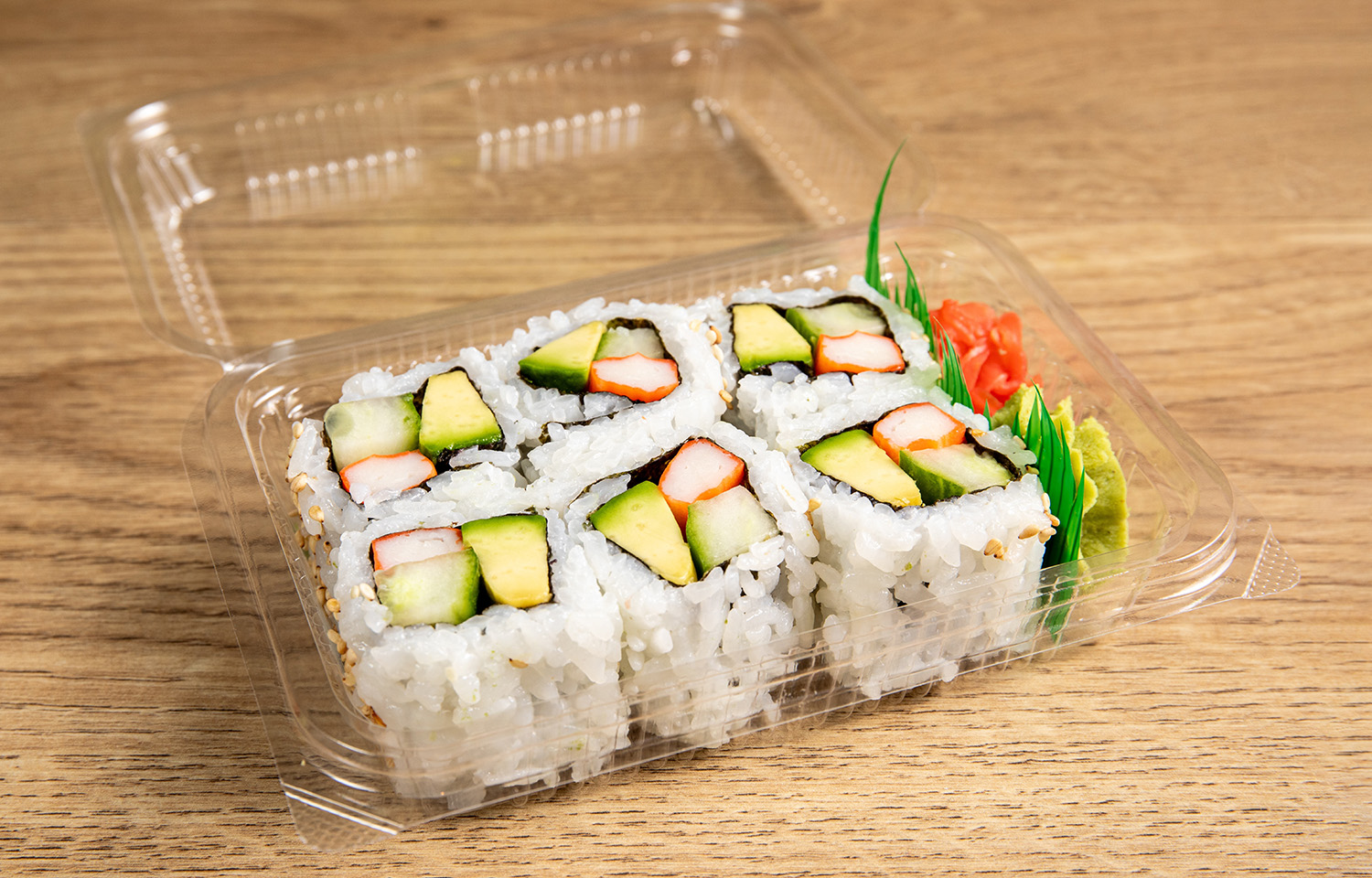
A new study which used DNA barcoding to identify species in surimi – specifically imitation crab – sold in grocery stores in Los Angeles, California, U.S.A. found evidence of unlabeled shark meat in 62 percent of the sampled products, with some shark meat from critically endangered species.
The study, recently published in Food Control comes on the heels of another recent study which found evidence of endangered shark meat being sold in U.S. grocery stores either with the species mislabeled or under the vague label of “shark.”
While that study argued that ambiguous labeling was contributing to violations to Convention on International Trade in Endangered Species of Wild Fauna and Flora (CITES), which controls trade of many threatened species, this study explored how products which obscure the physical characteristics of a species (like surimi or frozen processed squid meat) could enable mislabeling and contribute to a lack of transparency in the seafood supply chain.
“We weren’t setting out to look for sharks or other endangered species,” Demian Willette, an associate professor of biology with Loyola Marymount University in Los Angeles and one of the study’s authors, said.
The study’s findings, which used DNA sequencing to identify numerous unlabeled species in commercially available surimi, demonstrated to Willette that “there is space where we could improve the labeling guidance” on a variety of seafood.
The study used environmental DNA, or eDNA, which comes from the environment rather than from a particular living sample. By drawing samples of cell remnants and metabolic waste from environmental specimens – like the water which gathers in a fishing boat, or which collects at the bottom of a conveyer belt where fish are being processed – scientists can determine the variety of species that made contact with that sample. Researchers use a threshold to determine whether a species is meaningfully present based on how many reads they get of a particular DNA marker, a short sequence of DNA that identifies a unique species.
The process of identifying such markers this way is known as eDNA barcoding, and it allows researchers to study samples of processed seafood and offer a snapshot of the kinds of species that are included in the products. Different species can be included in products for a variety of reasons, and producers or fishers could be unaware of their inclusion through accidental or opportunistic bycatch, or perhaps even through purposeful fraud.
The researchers found endangered dusky shark in 35 percent of the samples taken, and endangered pelagic thresher shark in 63 percent of the samples. Overall, they found 38 different fish species used in the imitation crab studied, though the surimi packages included labeling for a total of only 27 species, with an average of 6 species per product.
“Nearly all imitation crab samples contained undeclared species, including squids or … sharks,” said Willette.
Willette explained that “it was intentional in our study to go across different markets,” since Willette and coauthor Margarita L. Joaquin wanted to know whether mislabeling was more pronounced in certain sectors.
They found, however, that the mislabeling they identified was “not unique to any grocer because of our global supply chain.” There was also no clear relationship between country of origin for the product studied and prevalence of misidentified species, nor was there a pattern across price points for the surimi studied.
Though some of the species they found present in the samples were protected from international trade under CITES, surimi products and other processed foods are exempt under U.S. guidance from Country of Origin Labeling (COOL).
Willette added that other researchers have demonstrated the extent to which the surimi industry depends on a variety of species from around the world. The study noted that this global sourcing adds “pressure to fishery species that may already be overexploited or vulnerable to Illegal, Unreported, and Unregulated (IUU) fishing.”
The researchers also studied samples of frozen squid, in which they found zero evidence of mislabeling. Willette added, however, that squid producers are only required to label squid as “squid,” a vague category and DNA barcoding showed samples often included ten distinct species of squid, two of which are correlated with high rates of IUU fishing.
One of the recommendations the authors made is that the Seafood Import Monitoring Program (SIMP) should include cephalopods, or even just a single species of cephalopod, perhaps one of those two species: I. argentinus (which was found in 29 percent of the frozen squid samples) or S. oualaniensis (which was found in 60 percent of the surimi samples).
Squid and surimi markets in the U.S. are growing, and Willette said that he “in no way” wanted his study to be used to discourage this growth.
Willette said he hopes the findings will advance the cause of better more specific labeling, especially in the case of composed seafood products.
“We are for more supply chain transparency,” said Willette.
