
UPDATE: This story has been updated with comments from Pacific Seafood
Washington D.C., U.S.A.-based nonprofit advocacy organization Center for Food Safety (CFS) announced its intent to sue two seafood companies for alleged violations of the Clean Water Act at industrial shellfish hatcheries in Washington state – Dulcich and Pacific Shellfish – known together as “Pacific Seafood.”
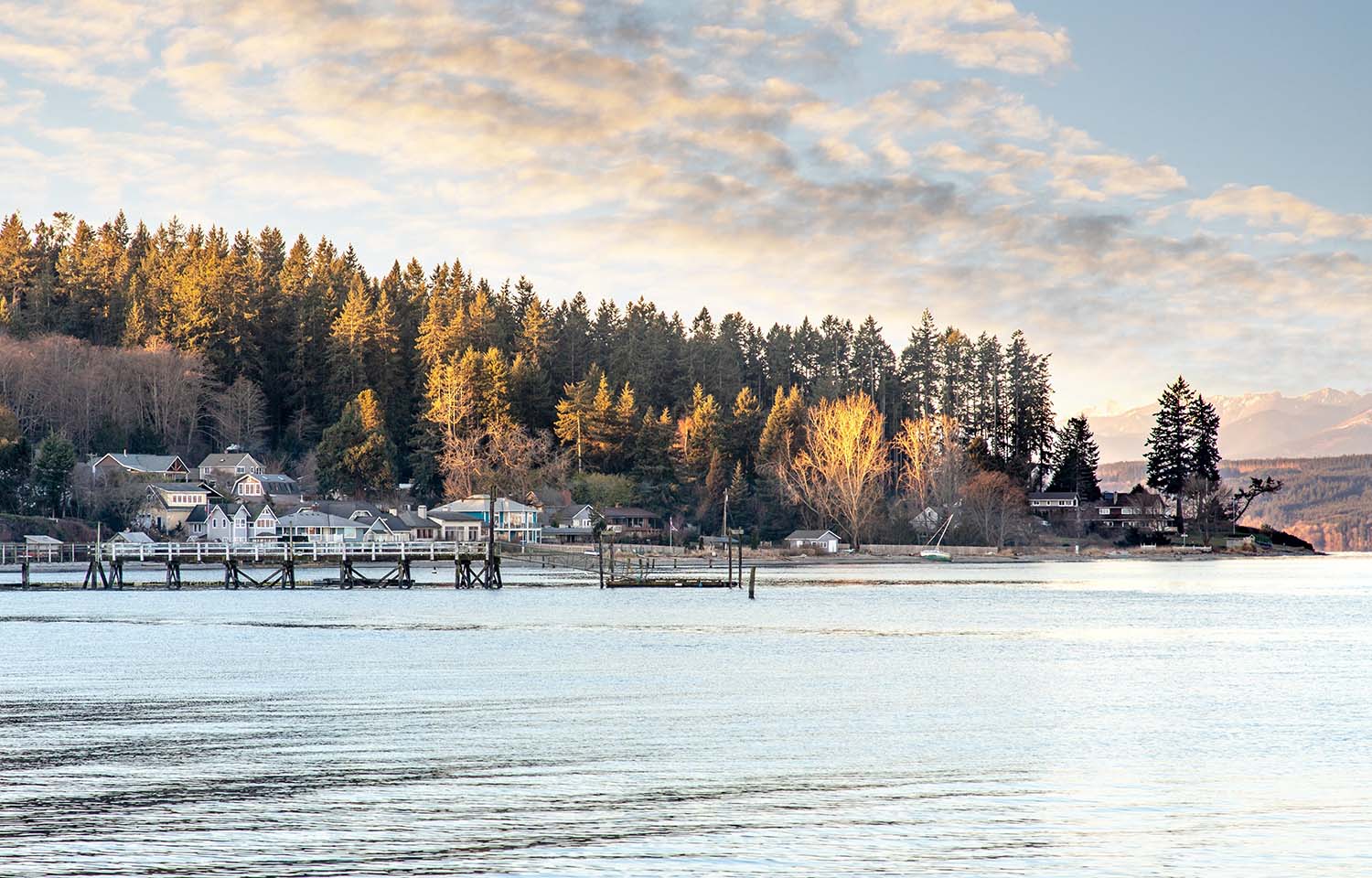
The Quilcene, Washington, U.S.A. hatcheries are located on the Quilcene Bay on Washington’s Hood Canal that’s home to several threatened and endangered species like Orca whales and coho salmon, the nonprofit organization said in a release.
CFS alleges Pacific Seafoods is drawing water from Quilcene Bay by the millions of gallons, heating it to promote algae and larvae growth, before discharging that water back into the Bay.
"We believe pollution from Pacific Seafood's industrial shellfish hatchery is degrading sensitive aquatic habitat and adding to the compounding effects of industrial shellfish aquaculture in Quilcene Bay," CFS staff attorney Kristina Sinclair said. "We intend to hold this operation accountable under the Clean Water Act for its permit violations and for any adverse impacts on water quality, local communities, and the aquatic species that depend on a healthy ecosystem."
Pacific Seafood produces shellfish seed for large-scale industrial shellfish production statewide, and this is not the first allegation that’s been made against the company by CFS.
Pacific Seafoods Director of External Affairs and Aquaculture Lacy Ogan responded to CFS' intent to sue.
“We’ve said it over and over: this is another example of a broken system that allows the same cast of lawyers and organizations the come after the seafood industry in the hope of generating headlines and making money, instead of trying to solve actual environmental problems," Ogan said. "As usual, the same people are throwing out inaccurate statements and misconstruing reality."
In January, a subsidiary of Pacific Seafoods in Oregon was sued for violating the CWA allegedly polluting Oregon’s waters near its Warrenton, Oregon facility. Since 2022, CFS and the Northwest Environmental Defense Center (NEDC) claim Pacific Seafood has violated the CWA more than 6,000 times.
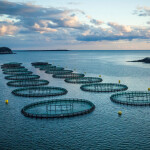
In the most recent notice, CFS alleged that the facility “has repeatedly violated its CWA permit by discharging wastewater and heat in excess of numeric effluent limits, potentially causing significant harm to aquatic species in the surrounding area,” and alleges that numerous other CWA requirements are not being met. These claims are also directed by CFS to an additional Pacific Seafood facility that manufactures feed for aquaculture operations, and three Pacific Seafood netpen aquacultre facilities on the Columbia River for violating other CWA requirements.
According to Ogan, Pacific Seafood's Quilcene, Washington facility has permits in place, but unnoticed technical flaws during issuance caused this issue. In the permit, the temperature limits are set lower than the ambient temperature of the water that's observed in the bay, Ogan said, and the Washington Department of Ecology is aware and working with Pacific Seafood to remedy.
“Pacific Seafood and its subsidiaries are a leading market force in industrial aquaculture that CFS believes have been polluting Washington's sensitive coastal waters for years across multiple facilities, despite public claims about the sustainability of their practices,” CFS said in the release.
CFS added that shellfish monocultures reduce biodiversity, and altering marine ecosystems that house endangered species with non-native species and diseases or pollution harm the nearly 50,000 acres of tidelands used for commercial operations in Washington.
“While Washington's industrial shellfish sector generates more than USD 150 million (EUR 129 million) in annual revenue, CFS believes this comes at great cost to salmon habitat, water quality, migratory birds, and endangered marine species,” the release said.
CFS is required to give 60 days’ notice before filing the lawsuit in court to enforce the public’s right to clean water. CFS is using its own legal council in addition to representation by Kampmeier & Knutsen, PLLC.
"If these lawyers and their clients were actually interested in understanding our industry and protecting the environment, they would have bothered to reach out to us to get more information before running to the media," Ogan said. "They did not. We will fight their bogus claims in court.”
