

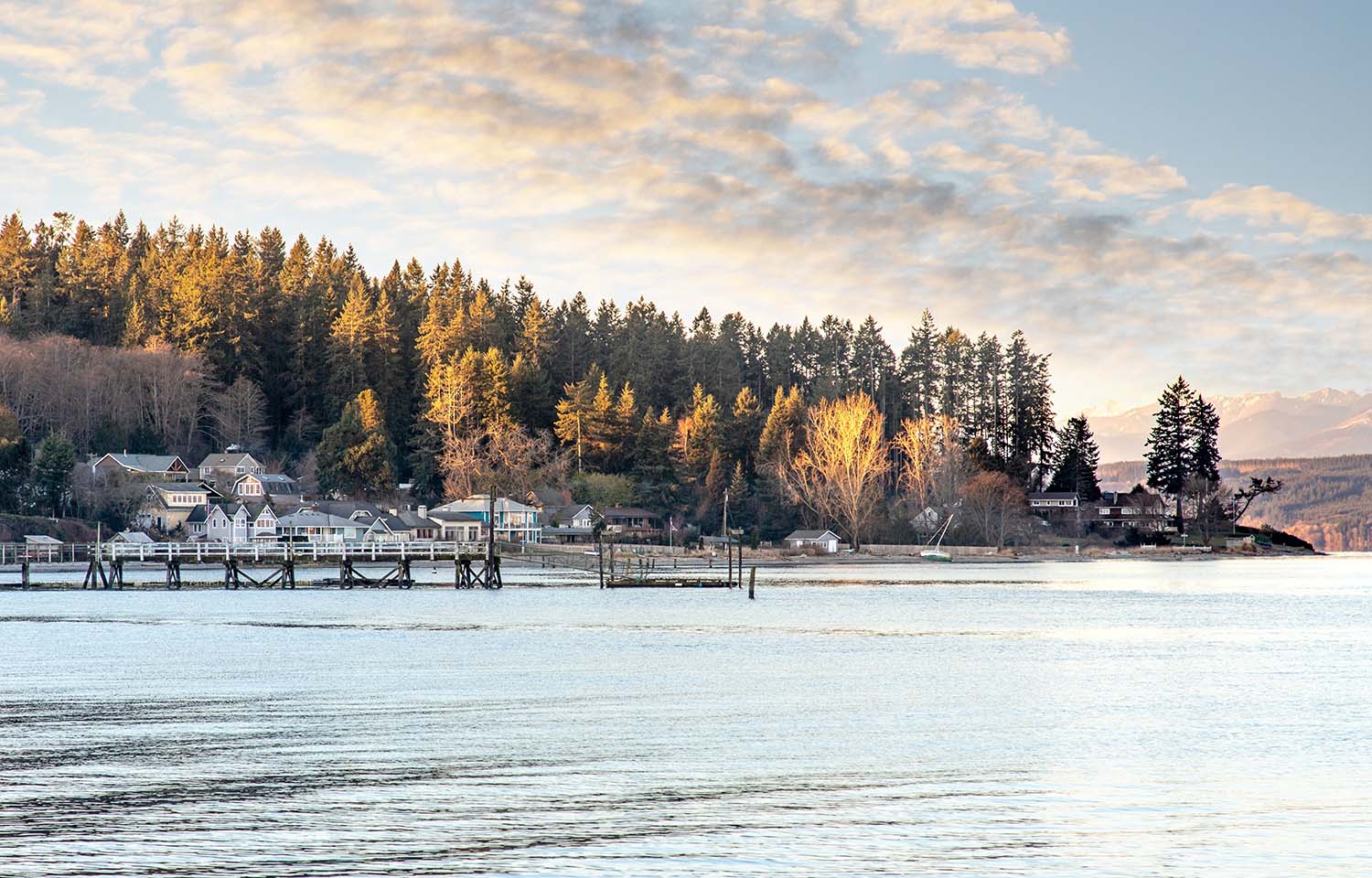
Seattle, Washington, U.S.A.-based Pacific Seafood has been sued by the Center for Food Safety (CFS) alleging the industrial shellfish hatchery on Washington's Hood Canal has violated the Clean Water Act (CWA).
The lawsuit comes after a 60-day notice letter sent by CFS in May.
The lawsuit, filed on 4 August 2026, includes allegations that Pacific Seafood's wholly owned subsidiary Pacific Shellfish in Quilcene, Washington, U.S.A. is polluting the surrounding water and has been "in near continuous violation" of the CWA "for a very long time." According to CFS, the area is home to endangered species like orca whales and coho salmon.
“Pollution from Pacific Seafood’s industrial shellfish factory degrades sensitive aquatic habitat, adding to the cumulative effects of existing industrial shellfish aquaculture in Hood Canal and Puget Sound," CFS staff attorney and counsel Kristina Sinclair said in a release. "We’re asking a court to hold this operation accountable for the pollution it is contributing to Hood Canal and the risks it is creating for the species that depend on it and the communities who use these waters.”
According to CFS, documents show that the facility has repeatedly failed to meet NPDES permit monitoring requirements and is noncompliant with CWA requirements.
In a statement to SeafoodSource, the company dismissed the environmental claims laid out by CFS.
“As we have said before: this is another example of a broken system that allows the same cast of lawyers and organizations to come after the seafood industry in the hope of generating headlines and making money, instead of trying to solve actual environmental problems," Pacific Seafood Director of External Affairs and Aquaculture Lacy Ogan said. “We are proud to be the first shellfish hatchery in the United States to receive an NPDES permit. Because this was a first-of-its-kind permitting process, more data is needed to establish the ambient temperature conditions of Quilcene Bay, so we have been working closely with the Washington Department of Ecology to collect more ambient data to support a long-term temperature study that will inform future temperature limits."
Ogan added that Pacific Seafood recently entered an Agreed Order with the Washington Department of Ecology, the first step for outlining the needs and resources for ensuring compliance. She said the company is committed to meeting all of the regulatory requirements, and has a strong partnership with the Washington Department of Ecology.
"If these lawyers and their clients were actually interested in understanding our industry and protecting the environment, they would have discussed the merits of the Agreed Order with us and with the Department of Ecology before filing an uninformed lawsuit and running to the media," Ogan said in regard to CFS' lawsuit. "They did not. We will fight them in court.”
CFS sued the company separately earlier this year, taking issue with a Pacific Seafood feed manufacturing facility.
Pacific Seafood has also been hit with fines by Oregon state regulators. In April 2026, Pacific Seafood was issued a civil penalty of USD 2.9 million (EUR 2.5 million) for alleged wastewater violations. In June 2026, Oregon lawmakers criticized the civil penalties after the company appealed the matter and threatened to leave the state.
The company has undergone expansion, as a part of its Mission 31 plan to double in size by 2031. Most recently, the company acquired Ocean Beauty Seafoods' distribution business.
