






A recently published study concluded that replacing the harvesting of fish would necessitate substantially more land for agricultural production to make up the ensuing protein gap, meaning it would not be a quick solution for sustainability.
The study, titled “Biodiversity Consequences of Replacing Animal Protein From Capture Fisheries With Animal Protein From Agriculture,” features research from scientists in Australia, the U.K., Sweden, and the U.S. Their collective work found that replacing all animal protein taken from marine fisheries with other sources could require an additional estimated 5 million square kilometers of land for livestock and poultry production.
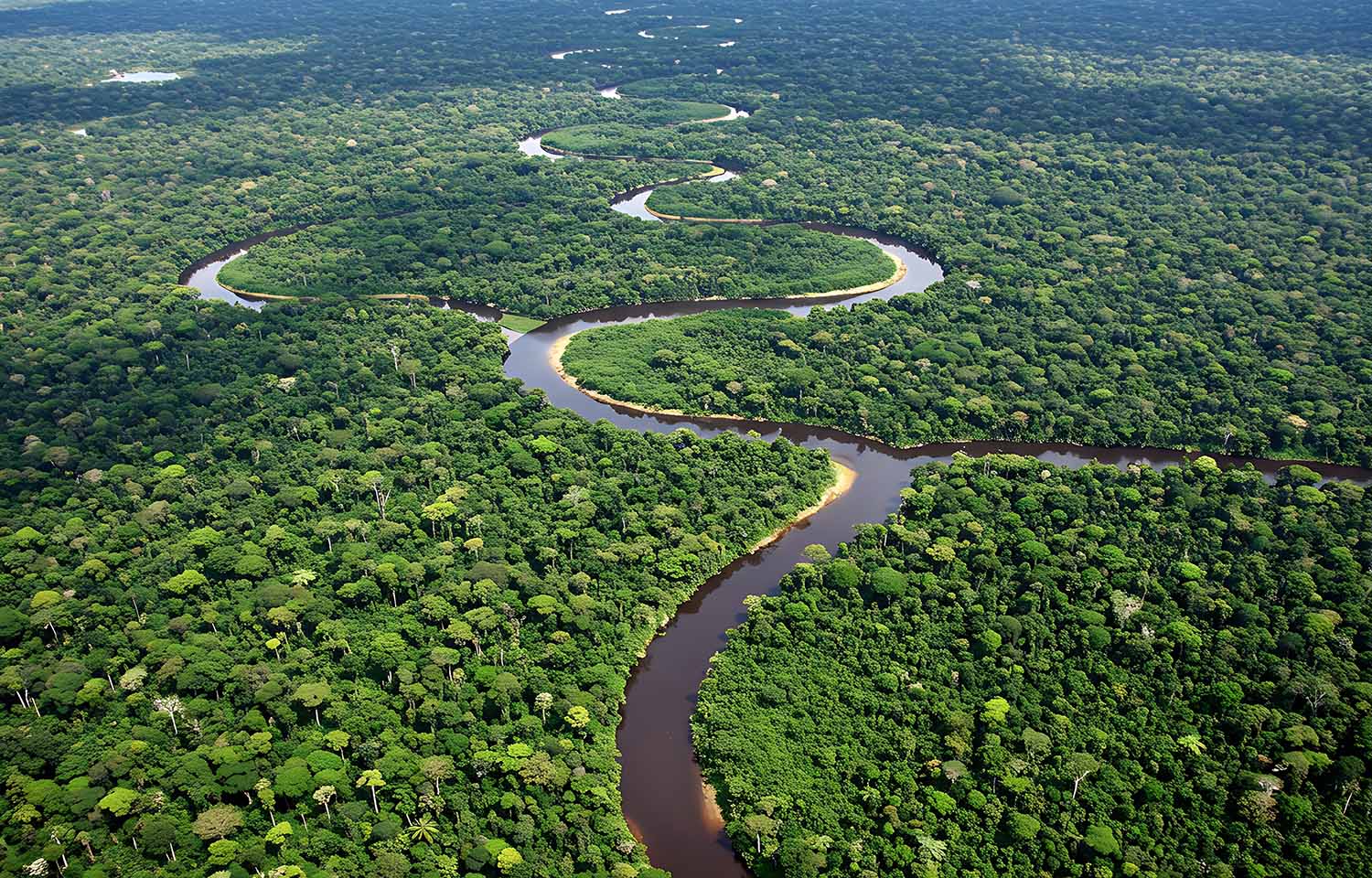
The Global Seafood Alliance (GSA), a Portsmouth, New Hampshire, U.S.A.-based NGO, commented on the study's findings, noting that the additional landmass needed exceeds the amount of area covered by intact rainforests in Brazil.
Additionally, the study found that replacing all fish in aquafeed would result in the need for more than 47,000 square kilometers of new land to be converted for agricultural production.
“Tradeoffs are increasingly important in food production decisions as nothing is perfect and making responsible tradeoffs requires good information,” study author Duncan Leadbitter said. “Protecting biodiversity is a key factor in responsible food production, and simply shifting the impacts somewhere else is no longer a viable approach. Fortunately, well-managed fisheries have an advantage over agriculture in that they seek to work within natural ecosystem structures, not replace them. This doesn’t mean that there can, or should be, zero impacts but weighing up the consequences of decisions helps design ways of seeking a balanced approach.”
The study further analyzes the suggestion that agriculture-based feed would be a sustainable tradeoff in the future of aquaculture. According to the GSA, the study shows that shifting to a fully agricultural-reliant system for feed with current dietary and production patterns would actually amplify biodiversity loss because of the need to convert complex natural ecosystems into simplified human-dominated landscapes.
The authors argue that well-managed fisheries already work within complex natural ecosystems, and the shift would disturb that balance. Further, the authors discuss how global population growth and rising wealth elevate human trophic levels and drive land conversion for food production. The report discusses how mass habitat clearance, particularly in tropical forests, will cause homogenization and species decline.
“Half of the planet’s habitable land is now used for agriculture, with 77 percent dedicated to animal protein, including feed crops, and emphasizing biodiversity as a key metric highlights understudied comparative impacts between food sectors,” the GSA said.
Instead, the study found lowering high trophic levels impacted by removals, bycatch, and bottom trawling can have localized effects on reducing deforestation, the GSA said.
Innovation in alternatives like microbial or insect protein can grow without terrestrial tradeoffs, the GSA added, and can close the gap to promoting sustainability amid rising demand.
Realistic strategies include “changing diets toward plants to reduce livestock impacts, [influencing] sustainable fisheries to spare land, and [promoting] and [supporting] resilience amid climate and population pressures.”
“The ultimate drivers of the increasingly tough decisions about the future of the world’s species and habitats are related to the increasing numbers of people and their growing wealth, and importantly overconsumption by the wealthiest nations,” the study’s authors reported. “Policymakers require information on the consequences of decisions to substitute one source of food for another in order to avoid a leap from the frying pan into the fire.”
