



The European Commission has approved a EUR 149 million (USD 171 million) plan to subsidize fuel costs due to high prices, which remain elevated due to the U.S.-led war on Iran.
Attacks by the U.S. and Israel on Iran beginning in February led to the closing of the Strait of Hormuz, a critical transportation thoroughfare for much of the world’s oil supply. The strait has remained closed for almost the entirety of the conflict, with control of the waterway being one of the main sticking points in negotiations to end the war.
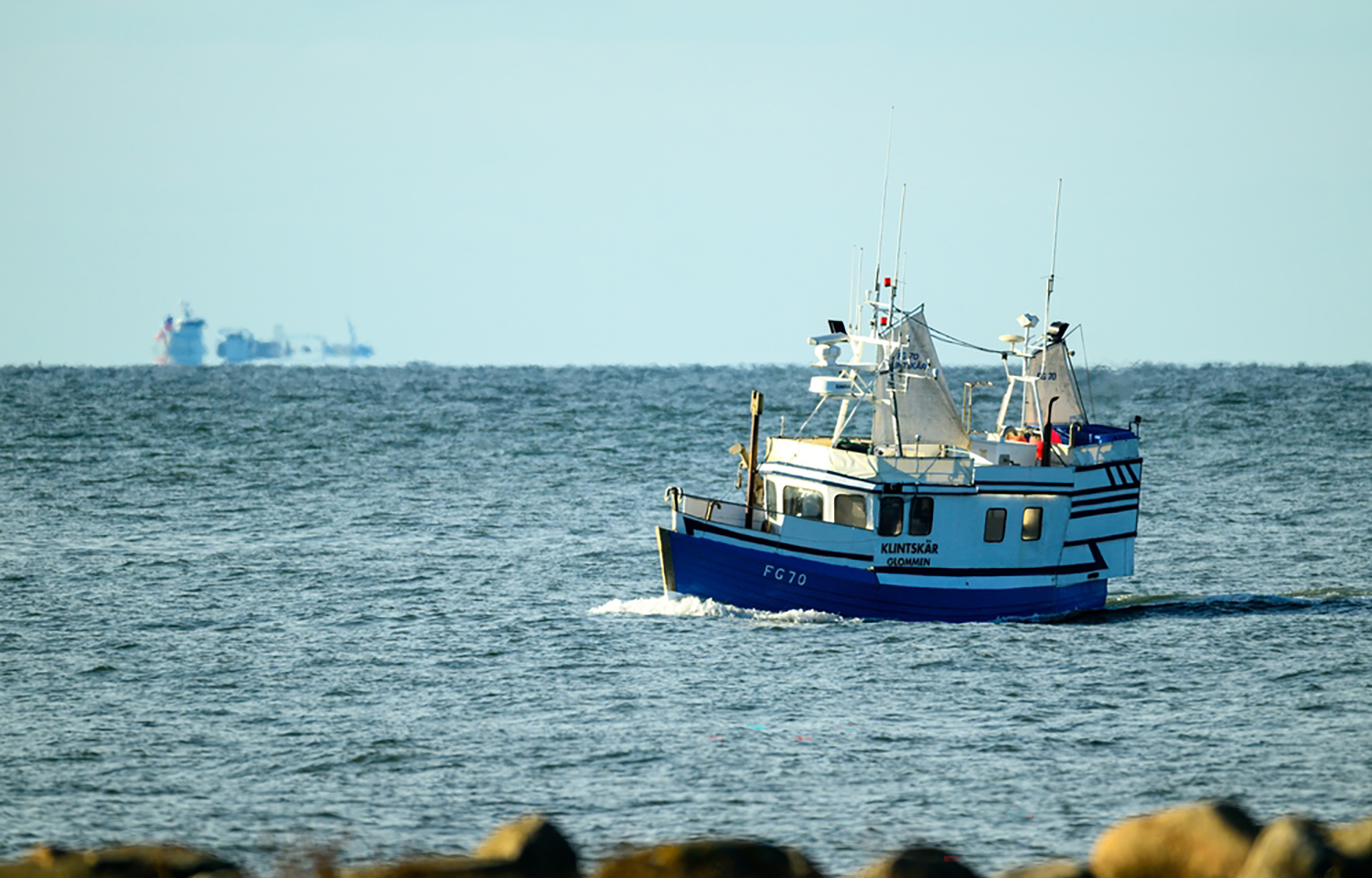
Commercial fishers have been impacted by the resultant high fuel prices, with fuel typically being their biggest operating costs. Faced with steep prices, commercial fishers around the globe have considered staying tied to the dock instead of going out to harvest an unprofitable catch.
To ameliorate the situation, the European Commission has authorized member states to establish government financial support for the industries most impacted by the elevated prices, including commercial fishing and aquaculture sectors. In April, the commission announced the Middle East Crisis Temporary State Aid Framework (METSAF), which allows member states to provide financial relief to agriculture, fishery, transport, and energy-intensive industries.
“The recent spikes in energy prices require an immediate response,” European Commission Executive Vice President for Clean, Just, and Competitive Transition Teresa Ribera said in April. “The METSAF allows for easily applicable solutions that will sustain the continuous development of core E.U. sectors such as agriculture, fishery, and transport by cushioning the effects of the crisis.”
The European Commission has already approved plans proposed by Spain, France, Croatia, and Ireland.
Under Sweden’s scheme, the government will provide direct grants that cover up to 85 percent of the increase in fuel costs for fishery and aquaculture companies, with grants being capped at EUR 50,000 (USD 57,318) per company.
“The Commission found that the scheme is in line with the conditions set out in METSAF,” the commission said in announcing its approval of the scheme. “In particular, aid will be granted based on a scheme with a clear estimated budget and will be provided to temporarily support the development of companies active in primary production of agricultural products. The Commission concluded that the scheme is necessary, appropriate, and proportionate to facilitate the development of an economic activity and does not adversely affect trading conditions to an extent contrary to the common interest.”
