



The European Commission has approved a temporary framework for member states to offer financial aid to the sectors most impacted by the rapid rise in fuel prices caused by the Iran war, including the commercial fishing industry.
“Fishermen and transport operators are exposed to fuel costs with no realistic immediate alternatives,” European Commission Executive Vice President for Clean, Just, and Competitive Transition Teresa Ribera said in a 28 April speech announcing the temporary framework.
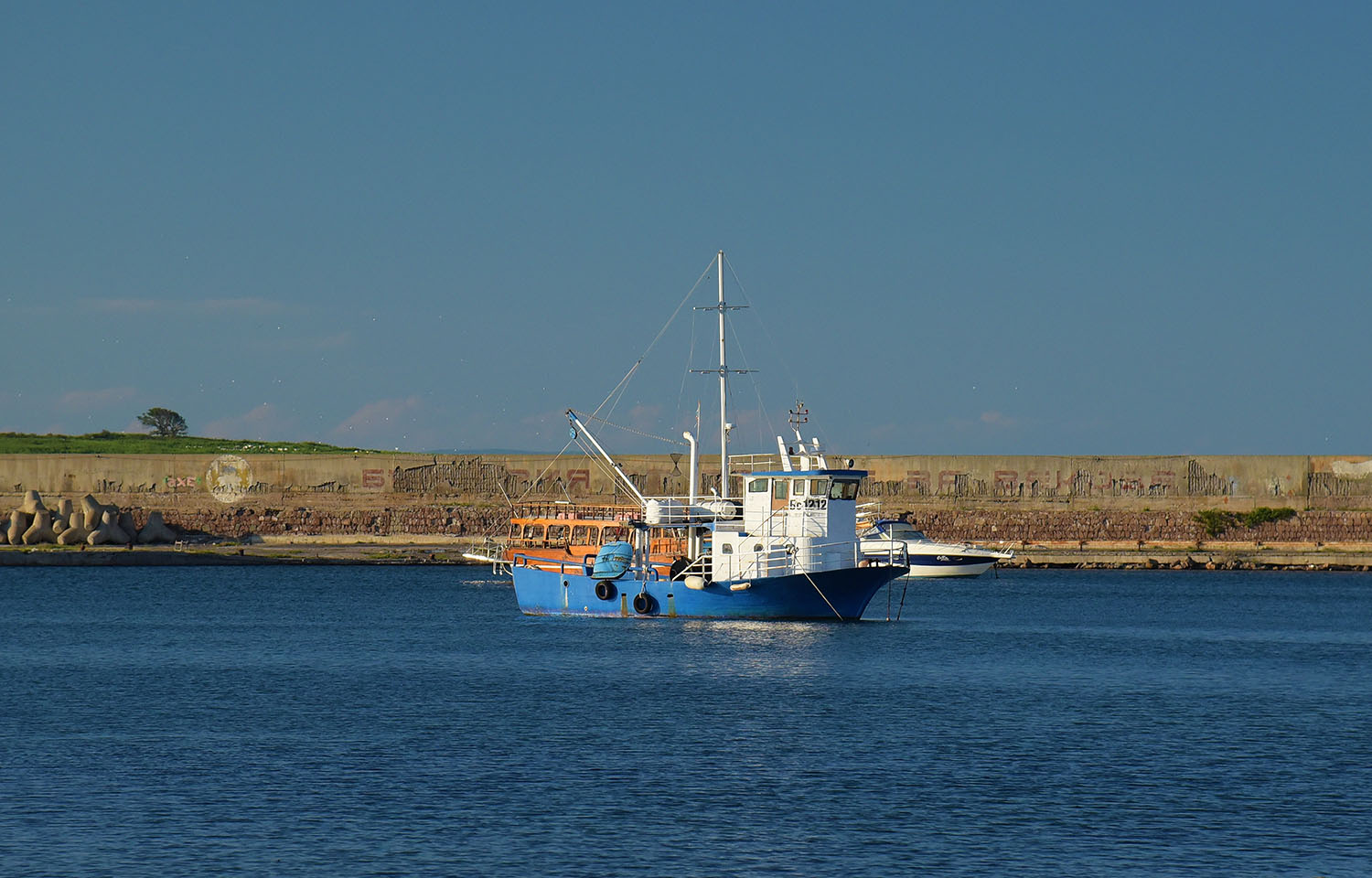
The Iran war has resulted in the Strait of Hormuz being closed, cutting off major oil supplies from reaching much of the globe. The resultant fuel shortage has led to a spike in prices, and commercial fishers – who often count fuel as the biggest expense of their business – have responded by tying up at the docks or calling for government financial aid. The situation has led E.U. officials and industry representatives to call on governments for financial support to keep vessels active on the water.
“The current geopolitical context, especially instability in the Middle East and rising oil prices, is having a direct impact on the European fisheries sector. Fuel represents one of the largest operating costs of the fleet, so the continued increase in prices is putting at risk the economic viability of many vessels,” Fisheries Committee Chair Carmen Crespo Díaz said in a release. “If this situation continues, many vessels could be forced to halt their activity, with serious consequences for employment in coastal communities and for the supply of seafood on the European market.”
The Middle East Crisis Temporary State Aid Framework (METSAF) lists agriculture, fishery, transport, and energy-intensive industries as the four most exposed sectors of the European economy to the fuel crisis and authorizes member state governments to provide some financial relief to those sectors. METSAF will remain in place through the end of the calendar year.
“For agriculture, fishery, and transport, we allow for compensation for the price increases of fuel. For agriculture, we also cover fertilizers,” Ribera said.
Under the scheme, E.U. member states will be allowed to compensate up to 70 percent of the increase in fuel costs since the start of the war.
European governments can also opt for a “simplified option,” which authorizes them to issue up to EUR 50,000 (USD 58,414) in aid to each beneficiary, with the amount based on an estimate of their activities and fuel consumption.
“This simplified option will be attractive in particular for the most vulnerable and exposed to the crisis. I am thinking about the small farmers, fishers, and transporters,” Ribera said.
Member states that choose to offer aid will need to notify the commission for approval, though the commission noted that aid for the fishery sector can be exempted from notification in accordance with the Fishery Block Exemption Regulation.
“Achieving a clean economy is what will shield us from the energy crises of the future. The energy transition remains the most effective strategy for Europe’s autonomy, growth, and resilience,” Ribera said in a release. “Nevertheless, the recent spikes in energy prices require an immediate response. The METSAF allows for easily applicable solutions that will sustain the continuous development of core E.U. sectors such as agriculture, fishery, and transport by cushioning the effects of the crisis.”
The announcement of METSAF comes shortly after the European Commission activated mechanisms of the European Maritime, Fisheries, and Aquaculture Fund (EMFAF), which also freed up funding for member states to provide financial aid to their respective fishing and aquaculture sectors.
“The people who bring seafood to our tables deserve our full support when a crisis beyond their control threatens their livelihoods. I am talking about fishers facing uncertainty at sea, aquaculture producers managing thin margins, and fishmongers keeping coastal communities alive. Today’s decision ensures that they do not face this situation alone. The European Union stands with them,” E.U. Commissioner for Fisheries and Oceans Costas Kadis said at the time.
At the time, the commission said that it was looking to approve other avenues for financial aid as well.
Multiple E.U. member states – including Ireland, Spain, and France – have already announced financial aid for their respective commercial fishing industries to help compensate for rising fuel prices.
“We appreciate that the fishing industry has been included in the support package announced,” Ireland-based Killybegs Fishermen’s Organization CEO Dominic Rihan told SeafoodSource when Ireland approved a package. “It provides temporary mitigation from the negative impacts on the Irish fleet from the elevated fuel price and, thus, incentivizes vessels to continue fishing while shielding the domestic seafood market from disruption in supply and maintaining continuity of supply for seafood exporters to the international market.”
