




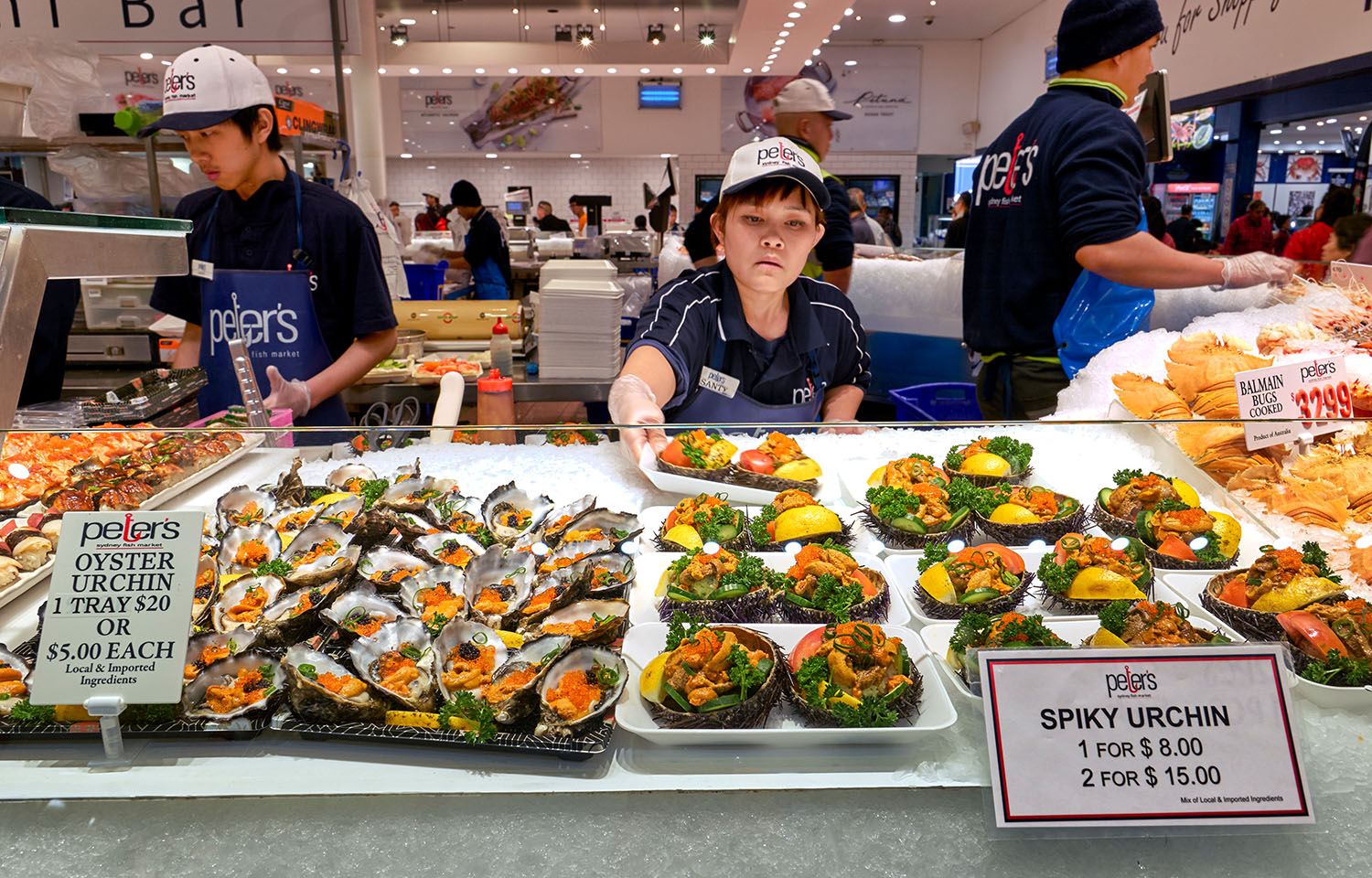
New seafood labeling laws became official in Australia recently, requiring all foodservice establishments, including takeout shops and food trucks, to label imported seafood in compliance with the Australian-Importated-Mixed (AIM) model that Australian grocery stores already have to adhere to.
Under the AIM model, which has been used in the country for almost two decades, products are marked as either A (Australian), I (Imported), or M (Mixed Origin,) the latter category of which indicates that a product contains both Australian and imported seafood.
The Australian seafood industry has long campaigned for stronger Country-of-Origin Labeling (CoOL) laws in response to concerns that seafood from Australia was struggling to compete with cheaper imported products.
Industry organization Seafood Industry Australia (SIA) was strongly supportive of the new legislation, with CEO Veronica Papacosta saying in a statement that the new CoOL legislation gives "Australian consumers … the information they need to make informed choices when dining out.”
Papacosta told the Australian Broadcasting Company (ABC) that properly labeled imported seafood has its place in the market, but not misrepresented seafood that doesn’t stand up to Australia’s strict – and costly – sustainability and labor regulations.
"If you're down at the pub or the local Thai place getting a curry on a Tuesday night, an imported prawn might be just fine for that price level,” she said. "But if you're in a mid-range or a high-range restaurant, you're going to want to know that, at that price, you're paying for Australian seafood."
Australian Minister for Agriculture, Fisheries, and Forestry Julie Collins agreed that the new requirements will protect consumers from misleading marketing, as well as seafood industry stakeholders from unfair competition.
“Australian fisheries are some of the best regulated in the world. When you choose to buy Australian seafood, you can be confident the product is sustainably sourced and that you are not supporting illegal, unreported, and unregulated fishing practices,” Collins said.
The new regulations for restaurants, cafes, and other hospitality venues were originally adopted in 2023 but only became official on 1 July, when the government began a one-year transition period for businesses. Enforcement will come into effect on 1 July 2026.
In the meantime, the Australian government and SIA are providing support for foodservice businesses that are navigating the transition.
Australian Minister for Industry and Innovation Tim Ayres said that “businesses [should] use this 12-month transition period to adjust to the new measures and find what works best for them and their customers.”
Papacosta agreed, telling ABC that whether businesses are “using either Australian or imported, having those conversations with their customers to help them understand that choice will be really important.”
“A strong public awareness campaign will be essential – not only to support the hospitality sector but also to encourage Australians to ask for Australian seafood,” she said.
In keeping with the Labour Party’s avowed commitments to the seafood sector, both ministers Collins and Ayers emphasized their support of the industry, with Collins saying that “Australia’s seafood industry provides significant value both as a job creator and economic driver in regional Australia.”
Collins cited the benefit to the seafood industry as her motivation for supporting mandatory labeling laws, adding that the “Labour Government will continue to back our local seafood industry and Australian consumers, who deserve and want to know where their seafood is coming from.”
Ayers also said that the legislation would support both consumers and seafood stakeholders.
“The Australian seafood [sector] is world-renowned for its high quality and sustainable practices, but more than 60 percent of seafood bought by Australians is imported. These changes give Aussie seafood lovers the opportunity to make sure they’re buying local,” he said.
