



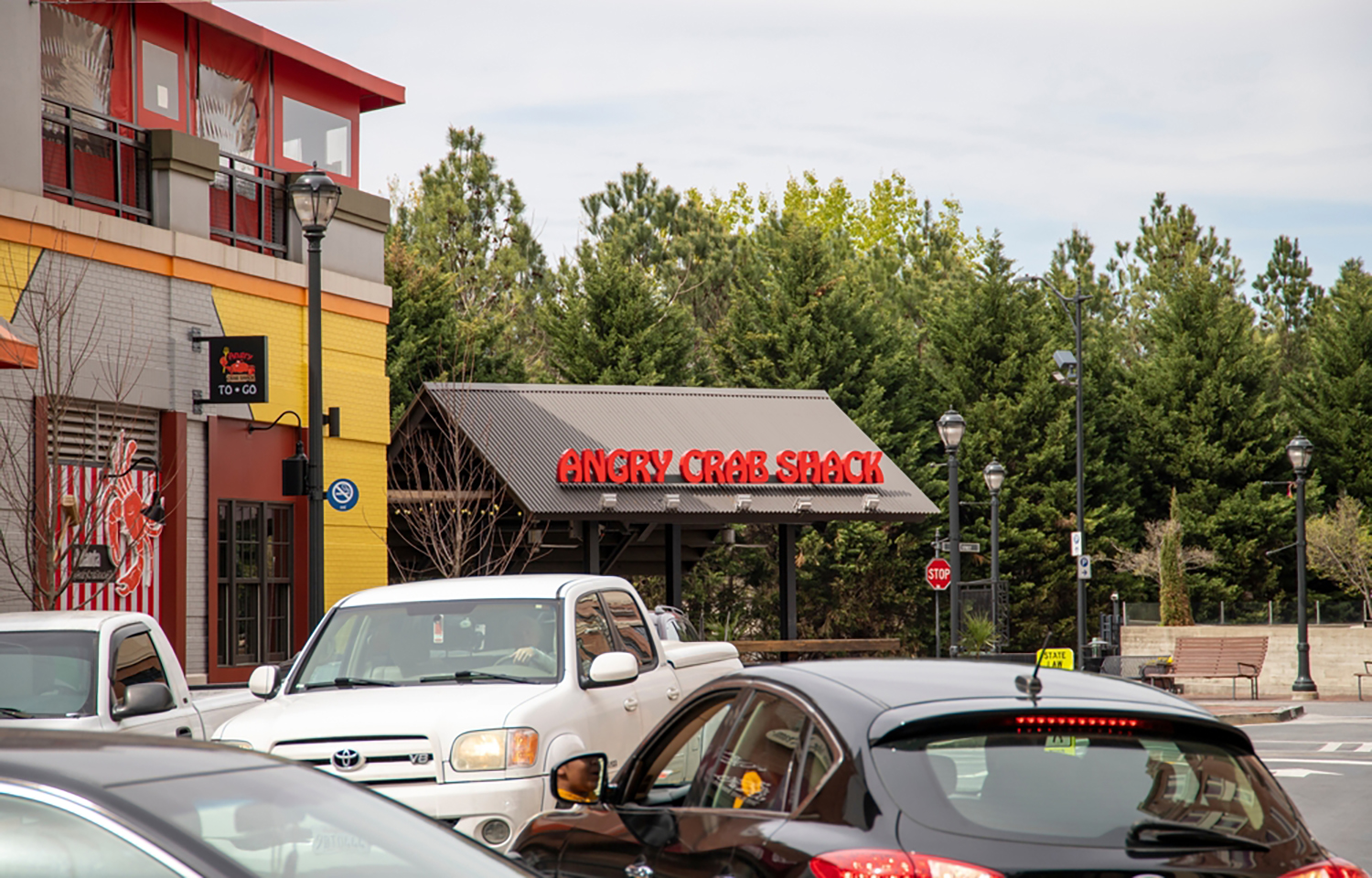
When seafood boil restaurant chain Angry Crab Shack opened its first location in Mesa, Arizona, U.S.A., in 2013, it partnered with foodservice distribution firm Sysco to source several seafood species.
However, Angry Crab Shack quickly started to attract more customers, and it soon found that Sysco hadn't stocked enough shrimp, king crab, or snow crab in Arizona to meet growing demand.
To fill the gap, the chain’s buyers had to make five or six weekly trips to Restaurant Depot to source enough crab and shrimp for its core menu, which mainly includes seafood boils featuring clams, mussels, Dungeness crab clusters, lobster, and more.
The sourcing challenge deepened as the company expanded into other U.S. states like Alabama, Georgia, and Texas, where Sysco similarly lacked volume and supplier relationships.
That’s when Angry Crab Shack President Andrew Diamond decided to take a more proactive approach to sourcing, negotiating contracts directly with crab and shrimp suppliers as the operation expanded.
“Any brand that grows wants to put things in place,” Diamond said. “You don't want to be reactive.”
The chain now has 24 locations across the U.S. states of Washington, Nevada, Texas, Georgia, and Alabama, as well as London, U.K., and is projecting continued growth in 2026, with plans to open two new Arizona restaurants and a third London outpost.
Angry Crab Shack executives have supported these expansion plans by negotiating long-term contracts for snow crab, king crab, and shrimp in advance, leaving the actual purchasing and distribution, once negotiated, to Sysco.
Now, the company is better able to negotiate deals on seafood for its franchise partners, Diamond said, and by working directly with suppliers on behalf of franchise partners, Angry Crab Shack has been able to work out better pricing for lower-volume locations than they could through relying on Sysco alone.
This system became particularly important when tariffs began to take effect last year.
The brand's response was to lock in prices through forward commitments with suppliers, trading some upside for price certainty.
“You are hedging that maybe in six months the price would have come down, but you are locking in a price you are comfortable with,” Diamond said.
While king and snow crab prices have been up overall, shrimp has been “the price stabilizer” on Angry Crab Snack’s menu, as the chain’s supply is wholly farmed and available year-round.
The operator also saves money by purchasing king crab from the South Pacific, which is a “good product that is less expensive than Alaskan king crab,” Diamond said.
Specific relationships Angry Crab Shack has personally cultivated include Seattle Shrimp & Seafood in Bellevue, Washington, U.S.A., which supplies the chain with crab, as well as Pembroke, Massachusetts, U.S.A.,-headquartered PanaPesca, which supplies mussels and other species.
According to Diamond, having personal relationships with suppliers has come with the added benefit of receiving updates on the market and projected trends suppliers are noticing.
As a result of internal savings realized from this sourcing system, the company has not raised prices on its menu compared to last year for its main entrees, including shrimp boils and mixed seafood bags. Instead, the company increased prices on some other items “where we were already below market [price],” Diamond said.
Diamond expects higher fuel prices brought on by the ongoing war in Iran to hit in a different way – not necessarily on the price of its seafood.
“Everything that gets delivered takes fuel, so we may see price increases from vendors,” he said, explaining that he expects to-go packaging prices to increase, for instance.
In a bid for continued innovation, the restaurant chain is open to expanding its menu to other seafood species and attended Seafood Expo North America this year for the first time to meet a wide range of suppliers in person.
Diamond revealed that new species the chain is considering adding include giant prawns to its U.S. menu after seeing their visual appeal both on the plate and in seafood boil bags at its London restaurants.
