




Following two years-long investigations, NOAA Fisheries has levied a total of USD 222,902 (EUR 193,328) in civil penalties against two seafood importers accused of mislabeling tuna cans as “dolphin safe.”
In conducting retail market spot check audits, NOAA Fisheries Office of International Affairs, Trade, and Commerce’s Tuna Tracking and Verification Program identified two suspect seafood import firms that were importing yellowfin tuna from Mexican purse seiners that were improperly labeled as “dolphin safe.”
An 11-month investigation revealed that a distribution company had imported 74 shipments – weighing a total of 2.2 million pounds – of the improperly labeled canned and pouched tuna. During the investigation, NOAA Fisheries law enforcement intercepted another 46,080 cans and returned them to Mexico. The importer worked with law enforcement to pull the products from shelves, donate them to nonprofit food organizations, and create a new label without the “dolphin safe” wording for future shipments.
A second investigation found a nationwide retailer had imported 29 shipments – totaling 1.2 million pounds – of canned tuna that indicated it was dolphin safe despite not being certified. The retailer worked with NOAA Fisheries to remove the products from shelves and block point-of-sale transactions. The improperly labeled cans were donated, while incoming shipments were returned to Mexico and the retailer dropped the supplier who added the dolphin-safe language.
NOAA’s Office of General Counsel Enforcement Section issued USD 222,902 in civil penalties to the importers.
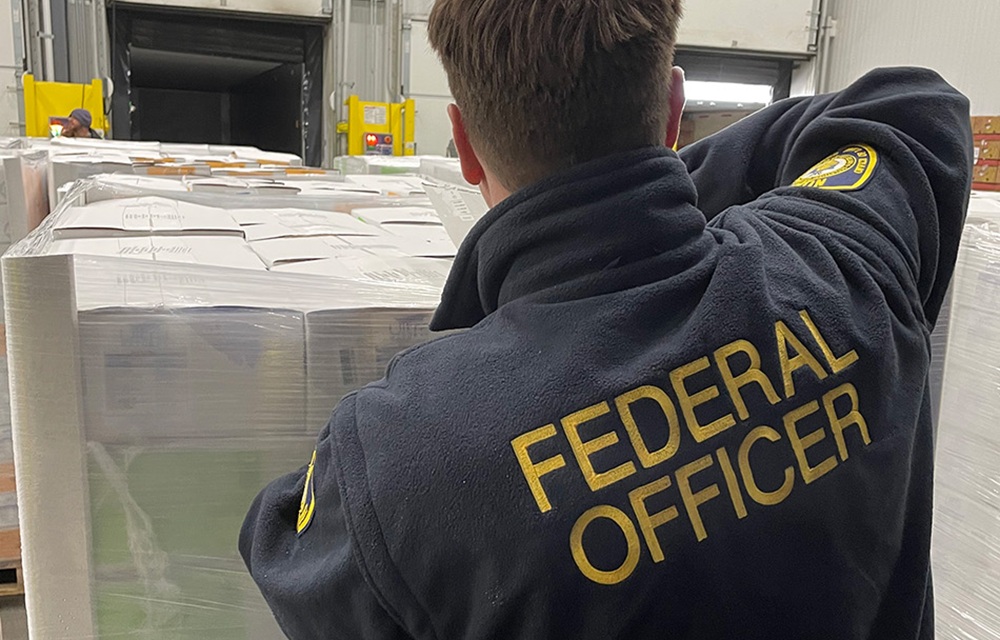
“Having a presence at our borders and ports of entry is vital to ensuring seafood enters our country lawfully,” Paige Casey, the acting assistant director of NOAA Fisheries Office of Law Enforcement Southeast Division, said in a release. “NOAA Fisheries routinely works with the U.S. Customs and Border Patrol and U.S. Fish and Wildlife Service to identify and prevent illegal and improperly labeled seafood from entering into commerce. When unlawful products do enter the stream of commerce, we rely on the investigative expertise of our agents to identify and halt further distribution.”
