


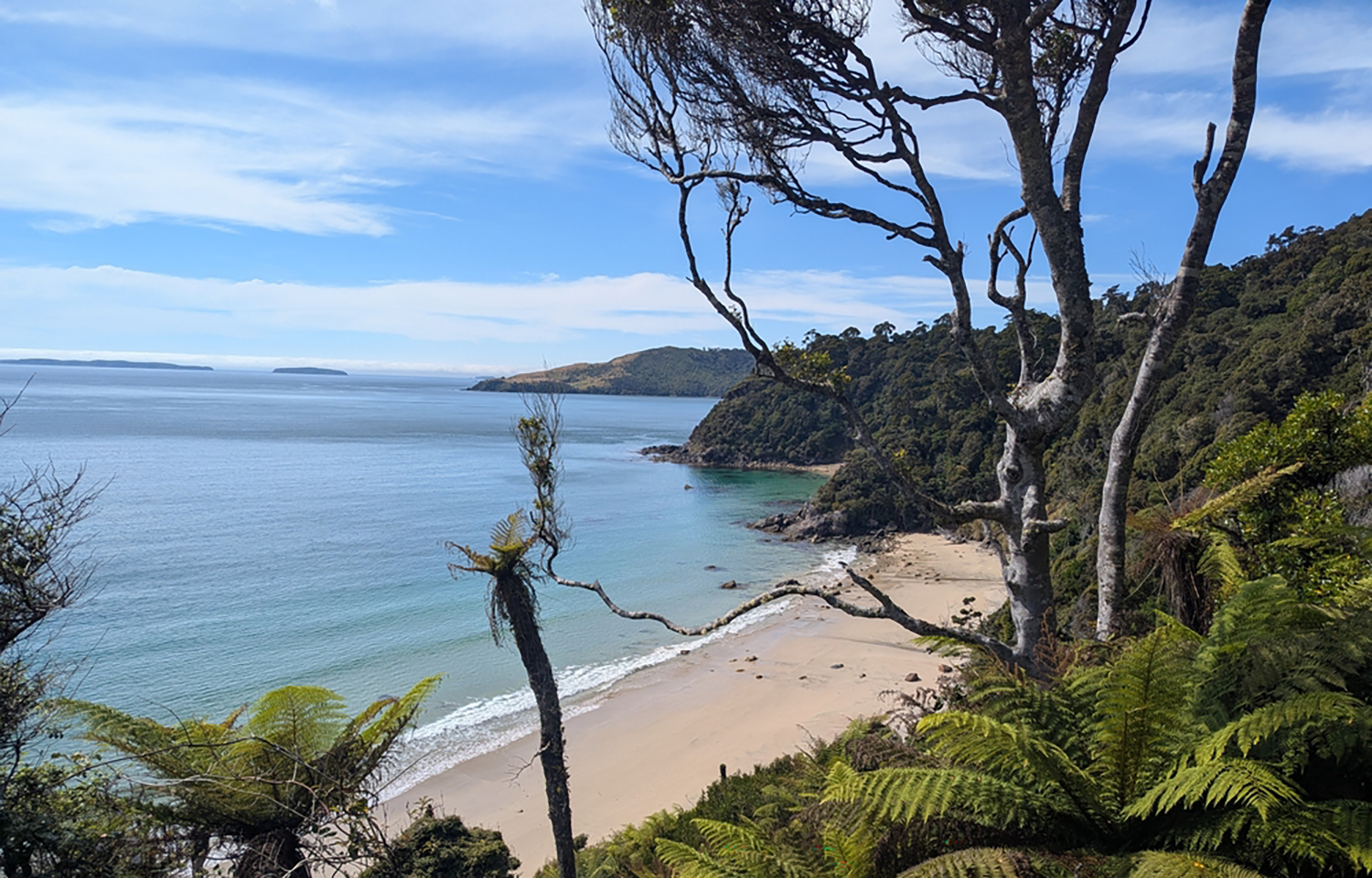
New Zealand has fast-tracked the approval of a salmon farm off of Rakiura, or Stewart Island, marking the first time an aquaculture project has been approved via the government’s fast-track process.
Ngāi Tahu Seafood has attempted several times to get its Hananui Aquaculture Project approved by the New Zealand government.
The company first tried in 2019 to secure consent from authorities under the Resource Management Act, but withdrew that application. The firm then reapplied in 2020 under the country’s Covid-19 fast-track framework, but that application was denied in 2023.
In November 2025, Ngāi Tahu applied yet again for approval on a 14,400-metric-ton open-ocean salmon farm – this time under New Zealand’s Fast-Track Approvals Act of 2024 – and was greenlit in early August following a review from a panel of independent experts.
“The application proposed four open ocean marine farms across 2,500 hectares of the coastal marine area northeast of Rakiura (Stewart Island). The positive decision follows a previous decline in 2023 and reflects a substantially strengthened application addressing environmental effects, biosecurity, and marine ecosystem management. We acknowledge the rigor of the process and are pleased the panel found in favor of the project,” Ngāi Tahu said on LinkedIn. “We will now assess the consent conditions and confirm a commercial pathway before making final decisions on how to proceed.”
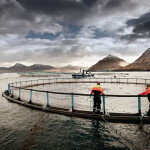
New Zealand Minister for Fisheries and Oceans Shane Jones said in a release that once fully operational, Hananui will provide an estimated 415 to 480 jobs in the region and generate NZD 310 million (USD 182 million, EUR 158 million) in annual sales. The farm will consist of open-ocean operations situated between two and six kilometers offshore of the island.
“The global appetite for our king salmon is extremely high, representing a massive opportunity for New Zealand. To take full advantage of it, we need to increase supply to meet this demand, and the approval of Hananui is an incredibly positive step in this direction,” Jones said, adding that the farm’s 14,400 MT capacity would be “as much salmon as was produced by all of New Zealand’s salmon farms in 2025-26.”
Jones explained that the approval also aligns with national production goals outlined in New Zealand’s Aquaculture Development Plan.
“This government has made aquaculture growth a focus, setting a NZD 3 billion [USD 1.77 billion, EUR 1.53 billion] annual revenue target for the sector by 2035. A key pillar to achieving this goal identified in our Aquaculture Development Plan is large-scale open-ocean farming such as Hananui,” he said. “Fast-track approval means these projects can proceed sooner, supporting jobs, regional growth, and export earnings, as well as New Zealand's position as a leader in sustainable seafood production.”
Ngāi Tahu Seafood is a subsidiary of the Ngāi Tahu Holdings Corporation, which is itself the commercial arm of the tribal authority of Ngāi Tahu – Aotearoa’s largest Māori tribe.
