





Many U.S. restaurants have been forced to raise menu prices over the past few years due to a combination of factors, such as rising labor and food costs, as well as tariffs on a wide assortment of goods.
According to the National Restaurant Association (NRA), U.S. restaurant expenses have risen sharply across all major categories since 2019.
Average hourly earnings of restaurant employees have jumped 41 percent from pre-Covid levels, while average wholesale food prices increased 35 percent. At the same time, operators have also contended with higher expenses for utilities, occupancy, supplies, and credit card swipe fees, all of which registered double-digit percent increases since 2019, NRA said.
Overall, the NRA estimated that total expenses for an average U.S. restaurant have jumped 36 percent between 2019 and 2026.
“I’ve never before seen the convergence of these forces in the industry,” said Matt McMillin, the chief culinary officer at Cooper’s Hawk Winery and Restaurants, which operates around 75 locations around the U.S., per Restaurant Business.
In response, U.S. menu prices jumped 36 percent on average between February 2020 and May 2026, according to U.S. Bureau of Labor Statistics data cited by the NRA.
As part of that increase, seafood prices have also risen.
For instance, shellfish entree prices jumped 6 percent in the second quarter of 2026 compared to the second quarter of 2025, per market research firm Datassential, while fish entree prices rose 3 percent.
Even though consumers have become increasingly price-sensitive, McMillin said his restaurant chain has refused to take seafood off the menu, except for scallops at one point when they were too cost-prohibitive. When the company brought scallops back, it combined them with shrimp in a risotto dish so guests would not be hit with as steep of a price increase as a standalone scallop dish.
Many other restaurant chains are sticking with seafood, too.
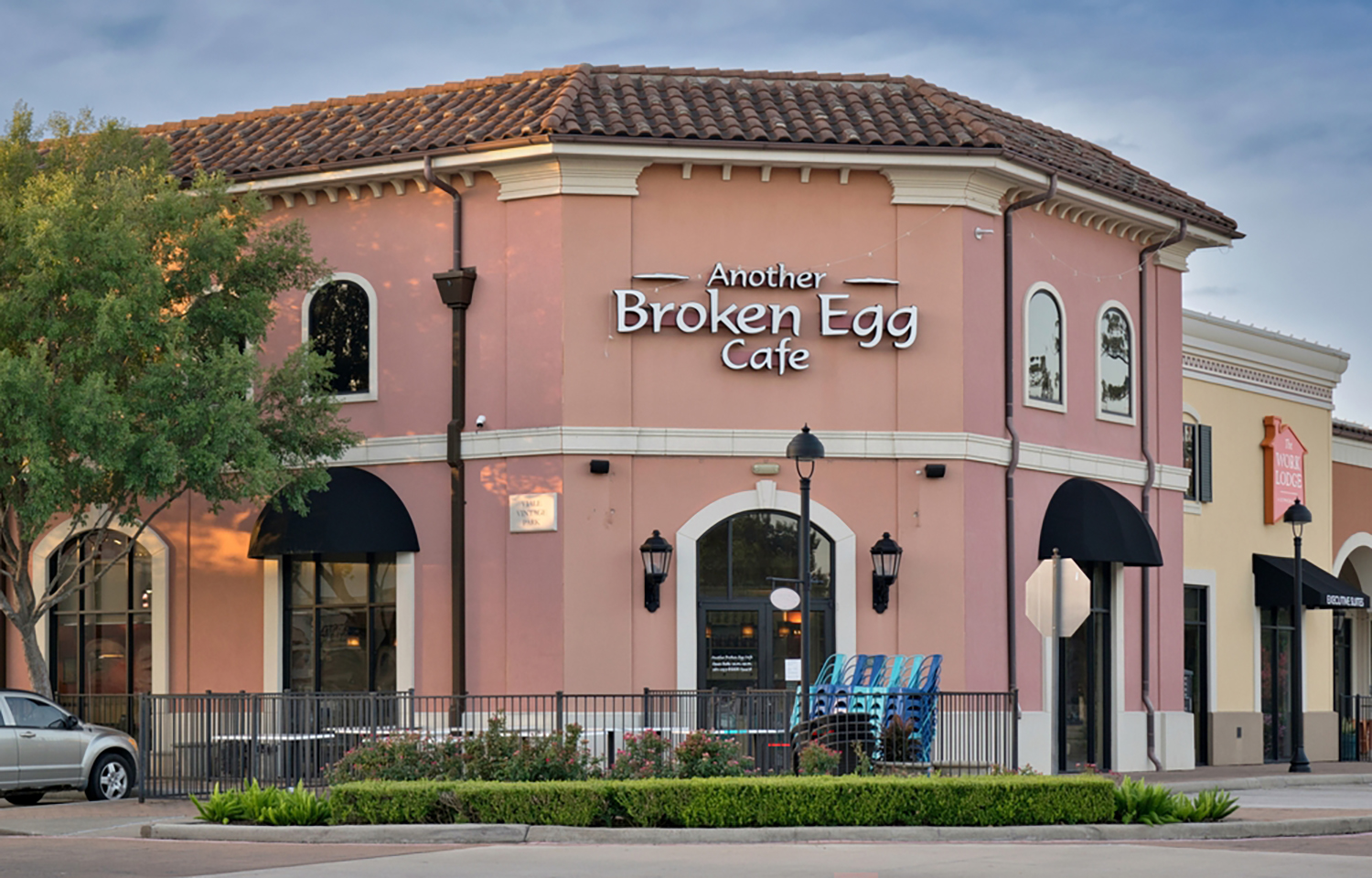
Another Broken Egg Cafe, a Southern cuisine-focused operator of more than 100 daytime restaurants, recently upscaled its seafood offerings to include Champagne Lobster Omelette and Low Country Shrimp and Fried Green Tomato Benedict dishes.
The restaurant’s standard menu, meanwhile, includes numerous seafood dishes, including a Cajun Shrimp and Crawfish Omelette, Smoked Salmon Benedict, Shrimp 'N Grits, and Crab Cake Benedict.
“Seafood has long been a meaningful part of our menu, rooted in our Louisiana heritage and Southern coastal culinary traditions,” Another Broken Egg Vice President of Culinary and Corporate Executive Chef Joel Reynders told SeafoodSource.
The company is adapting to consumer demand and said it is seeing growing interest in seafood at the brunch table.
“Guests are increasingly looking for elevated ingredients that make a dining occasion feel special, and seafood delivers that in a way that feels both indulgent and approachable,” Reynders said.
While consumers are “thinking about their dining dollars” more, Another Broken Egg’s model allows people to “gather around the table … at a casual daytime price point – no dinner reservation required,” he said.
Working closely with its seafood suppliers to source quality ingredients at the best possible value has helped control costs of such species as langostino and other seafood, Reynders explained.
“Langostino prices have risen over the past year, driven by broader seafood inflation, rising fuel costs for fishing fleets, and evolving tariff structures,” he said.
Harbor Seafood in New Hyde Park, New York, U.S.A., supplies the restaurant chain’s North American lobster and langostino, while Bama Sea Products, headquartered in St. Petersburg, Florida, U.S.A., provides its wild-caught Gulf shrimp and crawfish for its coastal restaurant locations.
For Another Broken Egg Cafe’s remaining locations, the company “takes a global sourcing approach to ensure the same quality shrimp and crawfish are available across the full system,” Reynders said.
Other ways restaurants can adapt, McMillin advised, is by looking at a mix of suppliers and not hesitating to change suppliers depending on the situation.
Combining seafood with other proteins is another way to save costs, Pacific Management Consulting Group Founder and CEO John Gordon said.
“If you can move people from a USD 10 [EUR 8.76] plate of spaghetti to a plate with seafood, especially shrimp, you can get that up to USD 20 [EUR 17],” he said.
Irvine, California, U.S.A.-based Pokeworks is just one of many U.S. restaurant chains taking that “surf and turf” approach. The company recently rolled out a limited-time High-Protein Surf & Turf Bowl, which combines premium ahi tuna with chicken breast and delivers 44 grams of protein and 10 grams of fiber in each bowl.
