






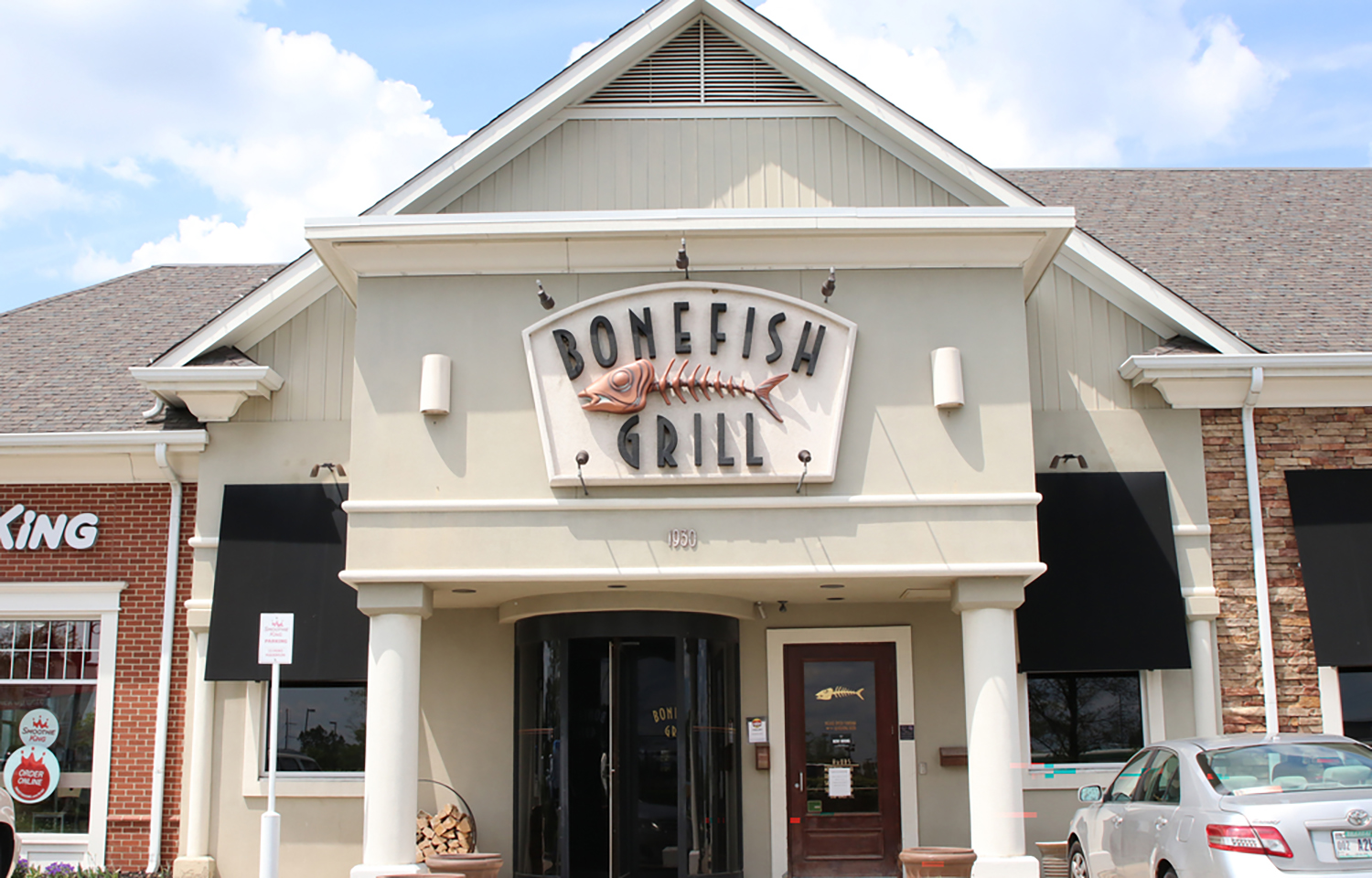
As the weather warms across the U.S. with the start of summer, traffic at seafood restaurant chains has risen, even though economic concerns continue to weigh heavy on consumers’ minds.
Average visits per location to Orlando, Florida, U.S.A.-headquartered chain Red Lobster jumped 18.5 percent in May, compared to the same month last year, per restaurant foot traffic analysis firm Placer.ai. This came after a gain of 2.6 percent in April.
Additionally, Bonefish Grill traffic jumped 9 percent in May year over year, and average traffic to Captain D’s locations rose 4.3 percent.
“Seafood chains have generally outperformed the broader restaurant segment over the past several months, driven by a renewed focus on value and affordability,” Placer.ai Head of Analytical Research R.J. Hottovy told SeafoodSource.
For instance, Red Lobster recently revamped its Endless Shrimp promotion, which helped fuel strong visitation in late April and May, according to Hottovy. The promotion steers away from Red Lobster’s infamous Ultimate Endless Shrimp deal, which played a main role in causing the restaurant chain’s bankruptcy, by being available only for a limited time, not being a standard menu item, and being served at a higher price point than the previous program.
Meanwhile, Bonefish Grill and Captain D's have won over consumers through value bundles and limited-time offers, Hottovy said.
“These menu enhancements have helped the chains align with consumers' focus on value, especially at a time when visits to other casual dining chains have declined amid higher gas prices,” he said.
Captain D’s in particular made the recent decision to pivot toward the use of Alaskan pollock in several of its signature whitefish products.
The Nashville, Tennessee, U.S.A.-based operator of more than 500 restaurants in the U.S., as well as locations in Canada and the U.K., recently partnered with Seattle, Washington, U.S.A.-based Trident Seafoods and Braintree, Massachusetts, U.S.A.-based Channel Fish Processing to debut Wild Caught Batter Dipped Fish from Alaska.
“Wild-caught fish from Alaska is recognized around the world for its quality and sustainability. The fishermen adhere to rigorous standards. We're proud to introduce our guests to this experience through a reliable supply chain built around trusted, U.S.-based partnerships and responsible sourcing practices,” Captain D’s Chief Supply Chain Officer Janet Duckham said of the move.
The increase in foot traffic across several seafood chains occurred as two-thirds of consumers said they feel good about their overall well-being, per the National Restaurant Association’s (NRA) Quarterly Consumer Insights Survey. The finding is “surprising,” given ongoing concerns about higher gasoline prices and rising economic uncertainty tied to geopolitical tension, NRA said.
Notably, 56 percent of consumers said they dined at a restaurant in the past week, according to the survey, while around 50 percent ordered takeout or delivery and 39 percent purchased a coffee or snack. Dining frequency increased modestly in the quarter, rising 4 percentage points.
"On the positive side, restaurants remain the top discretionary purchase for consumers, underscoring the sector’s continued prioritization even as households pull back in other spending categories,” NRA said.
Additional tailwinds, including larger tax refunds, continued economic growth beyond AI-driven investment, and solid wage gains, could help sustain demand for restaurants.
“For restaurants, these factors point to continued resilience and modest spending growth in the year ahead,” NRA said.
However, not all consumers are sharing such a rosy outlook. The survey also found that 36 percent of consumers said they spent less at restaurants, including takeout and delivery, in the second quarter of this year compared to the first quarter. When they did go out, 34 percent reported shifting toward less expensive restaurants.
Broader measures of sentiment align more closely with such a cautious approach. For instance, the University of Michigan’s consumer sentiment index fell to an all-time low of 44.8 percent in May, while the U.S. Bureau of Labor Statistics’ Consumer Price Index jumped by 4.2 percent in May, with overall prices at their highest since 2023.
Some chains, such as Long John Silver’s, suffered from that consumer caution and did not see increased foot traffic like other restaurants. Average visits per location to the chain declined 1.8 percent in May, and overall restaurant traffic dropped 2.5 percent, per Placer.ai, with the decrease largely driven by quick service restaurants (QSR), which realized a decline of 4.4 percent.
“Given persistent uncertainties, particularly around consumer sentiment and cost pressures, [the sector’s] outlook is likely to remain cautiously optimistic, particularly as relief on the gasoline price front remains far from certain at this point,” NRA said.
