




The New Jersey Assembly voted in favor of updating the state’s legal definition of aquaculture to include the construction of facilities and related structures like hatcheries – a move lawmakers say is necessary to attract aquaculture investment.
“The shellfish aquaculture industry is a significant part of our state’s coastal economy, including down near me in Atlantic City,” New Jersey Assemblywoman Maureen Rowan (D-Atlantic) said in a release. “Farming shellfish has economic, environmental, and ecological benefits. It’s up to us as legislators to continue to listen to our people, identify issues, and take meaningful steps toward creating a better New Jersey, and the legislation the Assembly passed today will do that.”
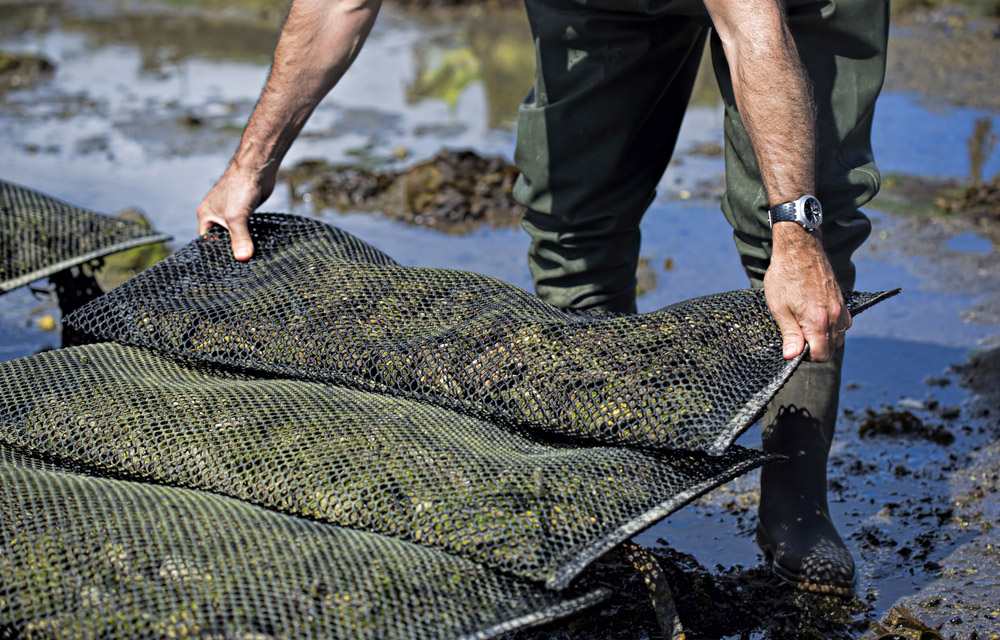
Currently, hatcheries and other supporting infrastructure are not considered a part of an aquaculture business under state law. Industry groups, including the Garden State Seafood Association, claim that lack of inclusion holds back aquaculture investment in New Jersey. According to lawmakers, there are roughly 65 mollusk farms along the New Jersey coast.
“The New Jersey coastline is an optimal place for seafood farmers because of our bays, the Atlantic Ocean and proximity to multiple large markets like Philadelphia and New York City. But, none of the clams or oysters would make it to market without hatcheries, indoor tanks, and other land-based structures. This law will clarify that all parts of the business, from the mud to the facilities, are considered aquaculture, streamlining regulations and putting seafood farmers on a level playing field with terrestrial farmers,” New Jersey Assemblyman Alex Sauickie (R-Ocean) said in a release. “Just as a barn is necessary for local produce growers, a hatchery is essential to a seafood farmer.”
The New Jersey Assembly passed the bill on 24 September without a single vote in opposition. The state Senate has yet to take action on its version of the bill.
The New Jersey Assembly passed two other aquaculture-related bills, as well: one directing the state's Department of Agriculture to develop guidance for expanding aquaculture agritourism and one expanding and changing the makeup of the state Aquaculture Advisory Council to improve representation.
“Aquaculture businesses cultivate sustainable seafood that contributes to our natural ecosystems and to what is now a USD 1 billion [EUR 870,000] industry,” Sauickie said. “Making it easier for seafood farmers to do business in New Jersey, as this bill does, attracts investment, which supports local communities, jobs, and the economy. It’s a small change with a big impact.”
