

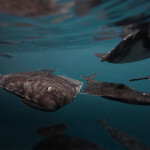

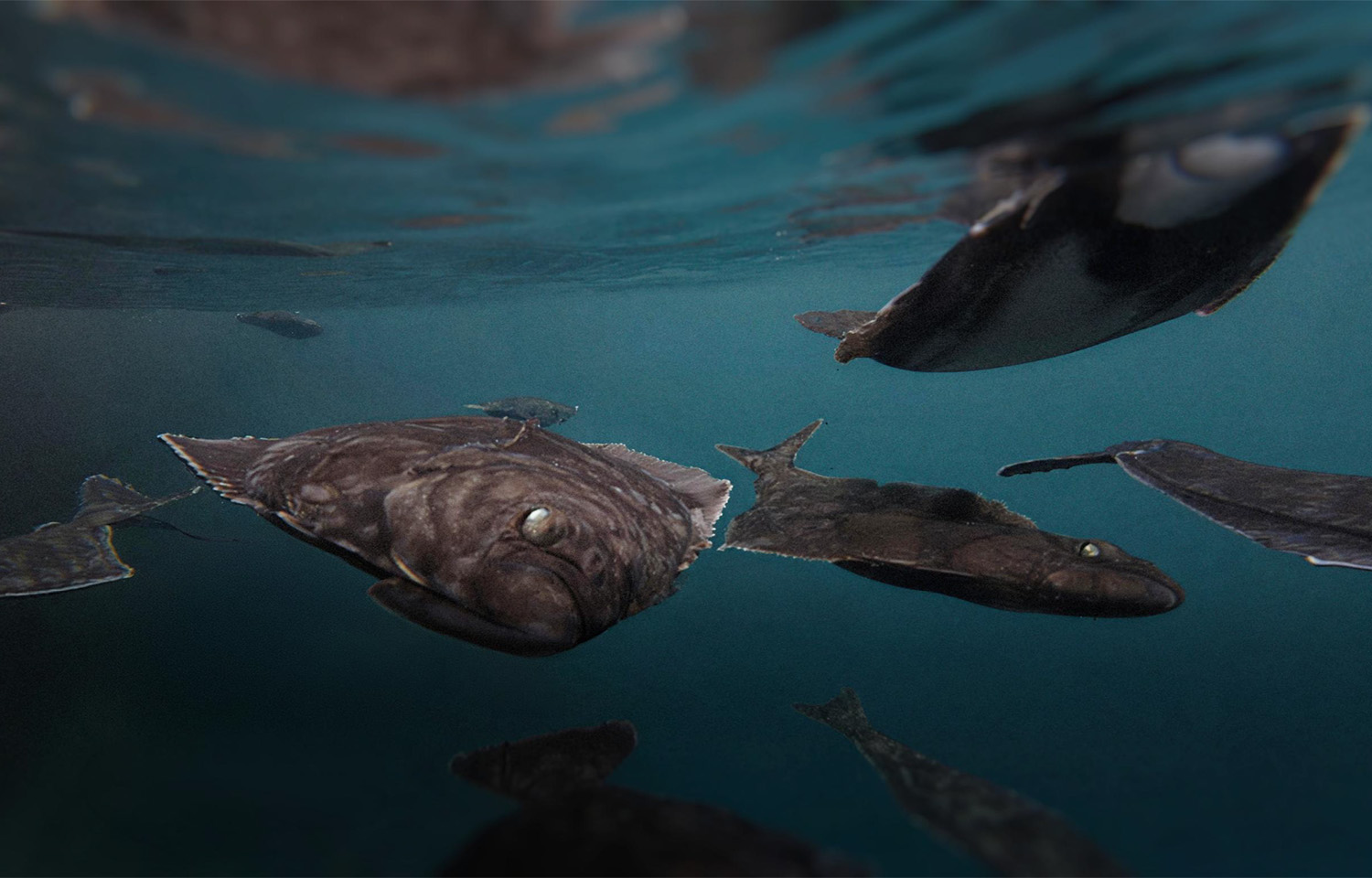
Norway-based halibut farming company Nordic Halibut posted higher harvests, revenue, and earnings in Q3 2026 as the company predicts it will hit an “inflection point” in 2027.
Nordic Halibut, in its interim Q3 2026 results, said it achieved revenue from goods sold of NOK 39 million (USD 4 million, EUR 3.6 million) in Q3 2026, up from NOK 24 million (USD 2.5 million, EUR 2.2 million) in the same period of 2025, and the total revenue for the period reached NOK 74.5 million (USD 7.6 million, EUR 7 million).
Group EBITDA was positive at NOK 24 million (USD 2.5 million, EUR 2.2 million) in Q3 2026, compared to NOK 17.6 million (USD 1.8 million, EUR 1.6 million) in the same period of 2025. Losses for the period were flat at NOK 2.8 million (USD 286,000, EUR 261,000), a minor improvement from NOK 2.85 million (USD 291,000, EUR 265,000) in 2025.
The interim Q3 2026 results come as the company announces a fully pre-committed and underwritten private placement of NOK 200 million (USD 20.5 million, EUR 18.6 million), and delivered a company update that said the company is at an inflection point that will see its operations begin to scale up starting in 2027 and its volumes begin to scale past 3,000 metric tons (MT).
The company said construction on its Torjulvågen, Tingvoll-based production facility continued to progress according to plan, and that it first introduced fish to it in July 2026.
“The facility is purpose-built for halibut, with fish welfare central to its design. Automated systems eliminate manual fish handling and manage daily tasks such as feeding. The facility also incorporates a heat pump and other technical solutions designed to limit overall energy consumption,” Nordic Halibut said. “Operations with fish have confirmed the benefits of high water quality and the trouble-free performance of the technical systems. This provides a foundation for producing robust, high-quality juveniles.”
Construction on the facility is ongoing, and the company said it is on schedule to be completed by the end of 2026. It also said costs on the construction are higher than anticipated in the original budget, with total Capex reaching an estimated NOK 480 million (USD 49.1 million, EUR 44.8 million), roughly NOK 90 million (USD 9.2 million, EUR 8.4 million) above previous estimates.
However the company said many of those additional costs reflect changes and improvements in fish handling and automation “which is crucial in the long run and represents a new step forward in halibut farming.” The company also installed and commissioned solar panels on its facility, which will reduce its reliance on the energy grid.
The company said it is also planning to merge Thule Marine and Tjeldbergodden Rensefisk into Nordic Halibut, which will be completed by year end. Tjeldbergodden Rensefisk is owned by Thule Marine, and Nordic Halibut acquired the two companies earlier in 2026, after already having a commercial relationship with Tjeldbergodden Rensefisk. The company said the acquisition gave it more control over its overall operations, and the merger will further streamline its processes going forward.
Nordic Halibut said as it continues through 2026 into 2027, it anticipates growth as its capacity has already been built, and its halibut volume is already in the water.
