





Mirroring trends seen that have played out throughout 2026, October featured high inflation on seafood prices at U.S. retail, affecting both fresh and frozen sales by volume but showing little impact on shelf-stable sales.
According to Circana data analyzed by Lakeland, Florida, U.S.A.-based 210 Analytics, fresh seafood’s average price per unit rose 4.1 percent to USD 10.84 (EUR 9.85) last month. Inflation on frozen seafood prices increased nearly 8 percent to reach an average of USD 11.66 (EUR 10.60) per unit, and the average price for ambient seafood rose 15.4 percent in October to USD 2.68 (EUR 2.44) per unit.
That inflation led to increases in sales by value for both fresh and frozen seafood, with sales in the former category rising 1.7 percent to reach USD 777 million (EUR 706 million) and sales in the latter spiking 5.4 percent to USD 768 million (EUR 698 million). However, sales by volume dropped in each category by 2.1 percent and 2.7 percent, respectively.
By species, fresh salmon and crab realized both volume and value growth in October, but most other species, including tilapia, trout, cod, and catfish, experienced declines by both value and volume.
Salmon continued to dominate the category, recording USD 403.7 million (EUR 367.8 million) in sales. Shrimp and crab finished second and third in sales by value, raking in USD 81.5 million (EUR 74.3 million) and USD 71.1 million (EUR 64.8 million), respectively, with the latter figure representing an increase of nearly 10 percent.
Shrimp was the only species in the category to record an increase in sales by value but not by volume, dropping 5 percent by pounds sold.
In the frozen aisle, shrimp prices rose 7.1 percent and are nearly 17 percent higher than two years ago, according to 210 Analytics Principal Anne-Marie Roerink. Frozen crab prices also increased nearly 13 percent, frozen pollock inclined 12.4 percent, and salmon prices rose around 9 percent.
This resulted in some gains by value but little to no gains by volume.
Frozen shrimp continued to dominate sales in the category, as sales by value rose 7 percent to USD 357.6 million (EUR 325.8 million), while sales by volume dropped 0.2 percent. Though pound sales slightly dropped, it still marked a “notable improvement” compared to the 8.4 percent sales by volume decline across 2026 year to date, Roerink said.
Frozen cod struggled the most in the category, as sales by value dropped 14 percent to USD 23.8 million (EUR 21.7 million) and pound sales fell 30.6 percent.
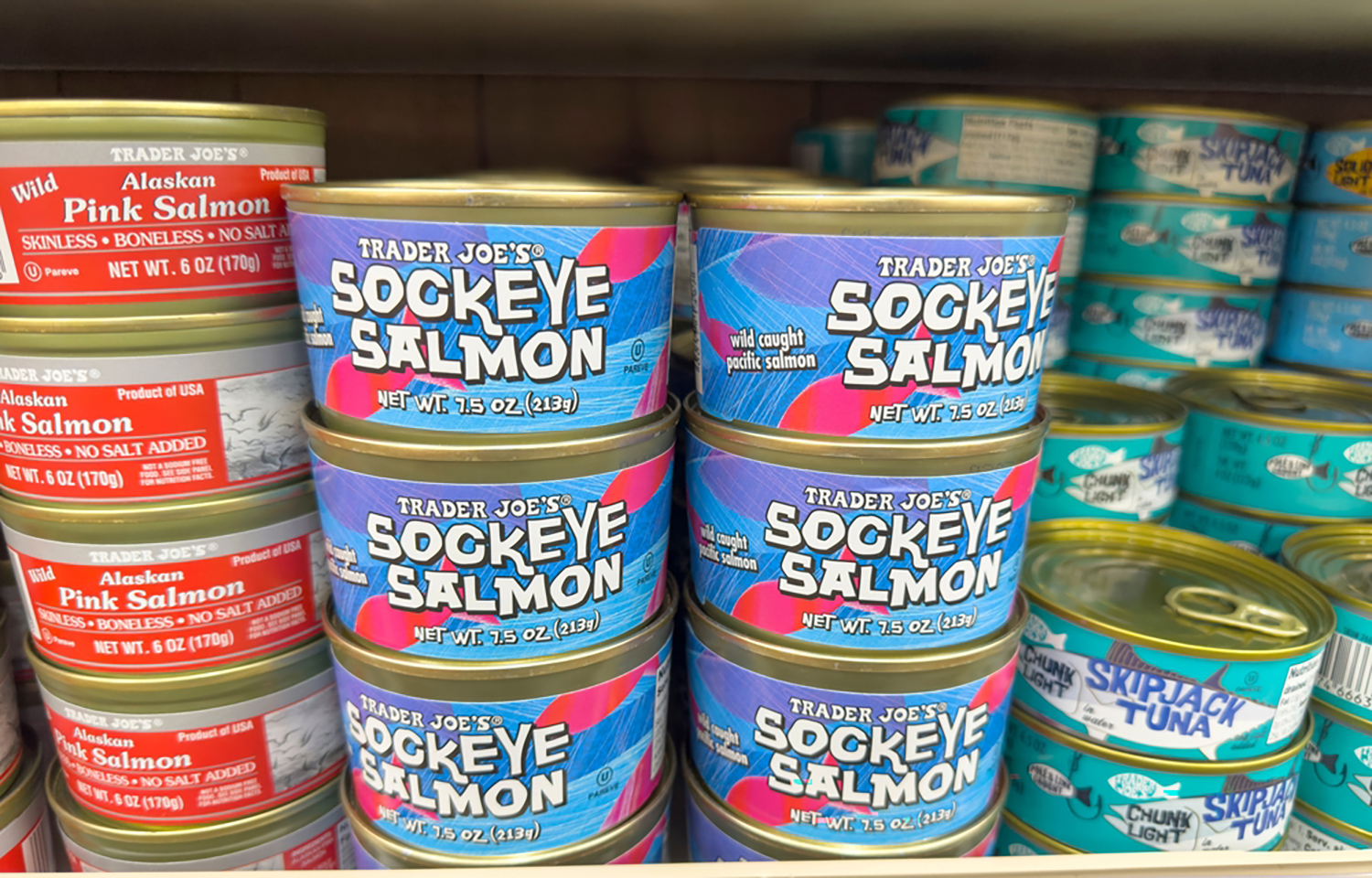
Despite heavy inflation, shelf-stable seafood once again represented the fastest-growing segment across seafood aisles at U.S. retail, as sales by value rose 17.7 percent year over year to reach USD 389 million (EUR 335 million) in October; sales by volume, meanwhile, rose 5.9 percent.
Ambient tuna remained the biggest seller in shelf-stable seafood, bringing in USD 260.9 million (EUR 237.7 million) on 2.5 percent volume growth, but sardines experienced the highest value growth rate at over 35 percent, surging to USD 51.3 million (EUR 46.7 million); however, sales by volume declined 2.1 percent as sardine prices rose sharply.
Inflation continues to present challenges for American shoppers as 2026 hits its final quarter, as the U.S. Consumer Price Index (CPI) found that food-at-home inflation increased 0.4 percent in October.
“Energy is a critical input at every stage of the food system, from powering farm equipment to processing, packaging, and transporting products to store shelves. When fuel and diesel costs rise, those higher costs are ultimately reflected in what it takes to produce and deliver food, and it can take months for them to show up in grocery prices, which we are now witnessing,” FMI – The Food Industry Association Vice President of Tax, Trade, Sustainability, and Policy Development Andy Harig said in a release.
Consumer data company Numerator found that prices for everyday household goods rose 0.6 percent in October, following a similar 0.7 percent incline in September.
With prices for everyday household goods now up 34.9 percent since January 2018, consumer concerns about rising prices sits at a record high; 42 percent of 2,000 U.S. consumers surveyed in Numerator's October 2026 Economic Sentiment Tracker identified rising prices as their top concern for the coming year, surpassing the previous record high 40.5 percent in Numerator’s August 2026 survey.
