





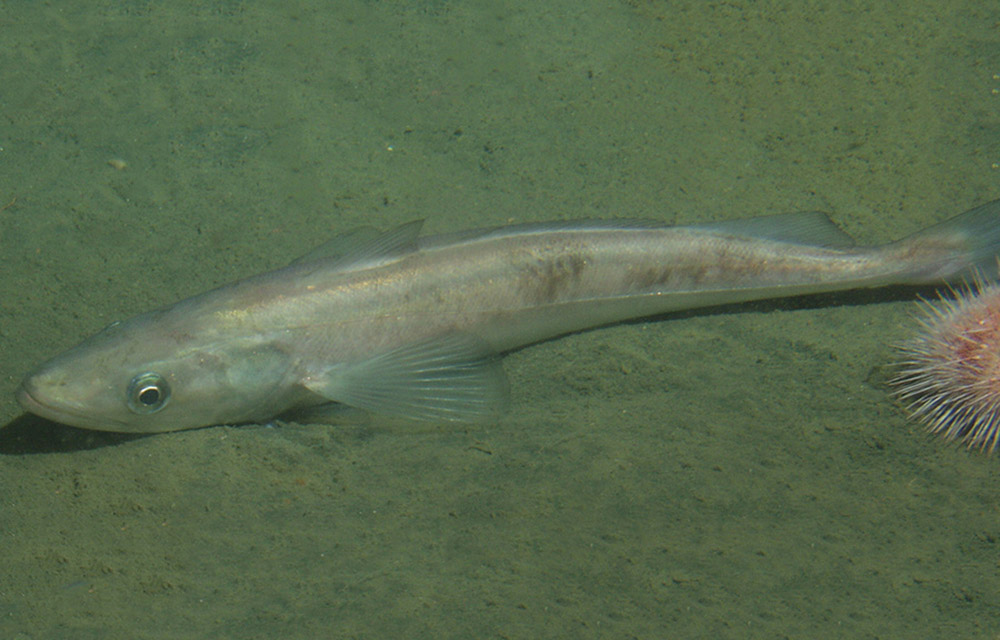
U.S. lawmakers from the Pacific Northwest are asking the U.S. Department of Agriculture (USDA) to make a bulk purchase of Pacific whiting, or hake, as the ongoing war in Ukraine and other supply chain issues continue to impact demand.
“Historically, Pacific whiting exports to Ukraine, one of the largest whiting fillet markets, reached up to nearly USD 95 million per year (EUR 83 million), but instability in the region as a result of war has put that market in jeopardy and caused significant impacts to the supply chain,” the lawmakers said in a joint letter to U.S. Secretary of Agriculture Brooke Rollins. “Compounded by trade embargoes, increased imported competition from low-cost proteins, inflationary pressures, rising operational costs, and more, these factors threaten the long-term stability and viability of this once-booming market and create uncertainty for coastal economies that rely on the whiting fishery’s success for their livelihoods.”
The 18 September letter was led by U.S. Sen. Jeff Merkley (D-Oregon) and signed by 11 other federal lawmakers representing Oregon and Washington in Congress. The legislators specifically want the department to purchase whiting fillets under Section 32, which authorizes the government to make bulk purchases of surplus domestic food products for use in federal nutrition programs.
“A Section 32 purchase of whiting fillets will directly support American harvesters, processors, and coastal economies during a period of significant market disruption and strengthen the resiliency of our food systems by supporting domestic protein production and distribution,” the lawmakers said.
NOAA Fisheries allowed 164,770 metric tons of Pacific whiting to be harvested in the 2025 season.
USDA has used Section 32 to support Pacific Coast fishers in the past; in 2024, the department purchased USD 22 million (EUR 20 million) worth of Pacific rockfish and whiting. The department also purchased USD 16 million (EUR 14 million) worth of Oregon pink shrimp in 2025 to support the commercial fishing sector.
“Over the last several years, the U.S. Department of Agriculture (USDA) has worked with the West Coast seafood industry to support domestic distribution of surplus product and ensure that our food supply chain and fisheries operations aren’t wholly disrupted by fluctuations or complete loss of markets abroad. We ask the USDA to continue that partnership by addressing these sustained market losses that have created vast economic strains and challenges for our seafood industry,” the lawmakers said.
Earlier this year, the U.S. House of Representatives’ Appropriations Committee issued a report encouraging USDA’s Agricultural Marketing Services (AMS) make more seafood buys under Section 32.
“The Committee recognizes the economic importance of the domestic seafood industry, including shrimp and crawfish producers who face ongoing market pressures from unfair trade practices, fluctuating input costs, and natural disasters. The Committee encourages AMS to utilize available authorities under Section 32 to purchase domestically harvested and processed seafood products, including shrimp and crawfish, for distribution through nutrition assistance programs. The Committee further encourages USDA to prioritize purchases that support American fishermen, aquaculture producers, and associated processing industries while ensuring high-quality protein options are made available to schools, food banks, and other recipient outlets,” the committee stated in its report.
USDA purchased nearly USD 20 million (EUR 17.2 million) worth of catfish in response to a separate Section 32 request in September, and lawmakers from southern states have asked the department to make Section 32 purchases of shrimp, as it has in prior years.
