




The Philippines has authorized the import of 60,000 metric tons (MT) of fish and other aquatic products ahead of the scheduled closure of multiple fishing seasons, seeking to maintain domestic supply levels and stabilize prices when fishing activity is restricted.
According to the Manila Bulletin, the allocation is the first tranche of up to 250,000 MT of fish and fishery product imports previously authorized under the country's 2026 Certificate of Necessity to Import.
Approved by Agriculture Secretary Francisco Tiu Laurel Jr. on 2 September, 50,000 MT of that first tranche will be distributed through wet markets. Of that volume, 90 percent will go to licensed commercial fishing importers and 10 percent to qualified fisheries cooperatives.
The remaining 10,000 MT will be reserved for the government's Kadiwa program, which distributes agricultural and fishery products through government-supported outlets aimed at making food more affordable.
The Department of Agriculture will begin issuing sanitary and phytosanitary import clearances on 14 September, with approvals available through 15 December. Each clearance will be valid for 60 days from the date of issuance.
Laurel previously said fish import arrivals would be deferred to the fourth quarter from an initial August schedule because domestic supplies remained adequate.
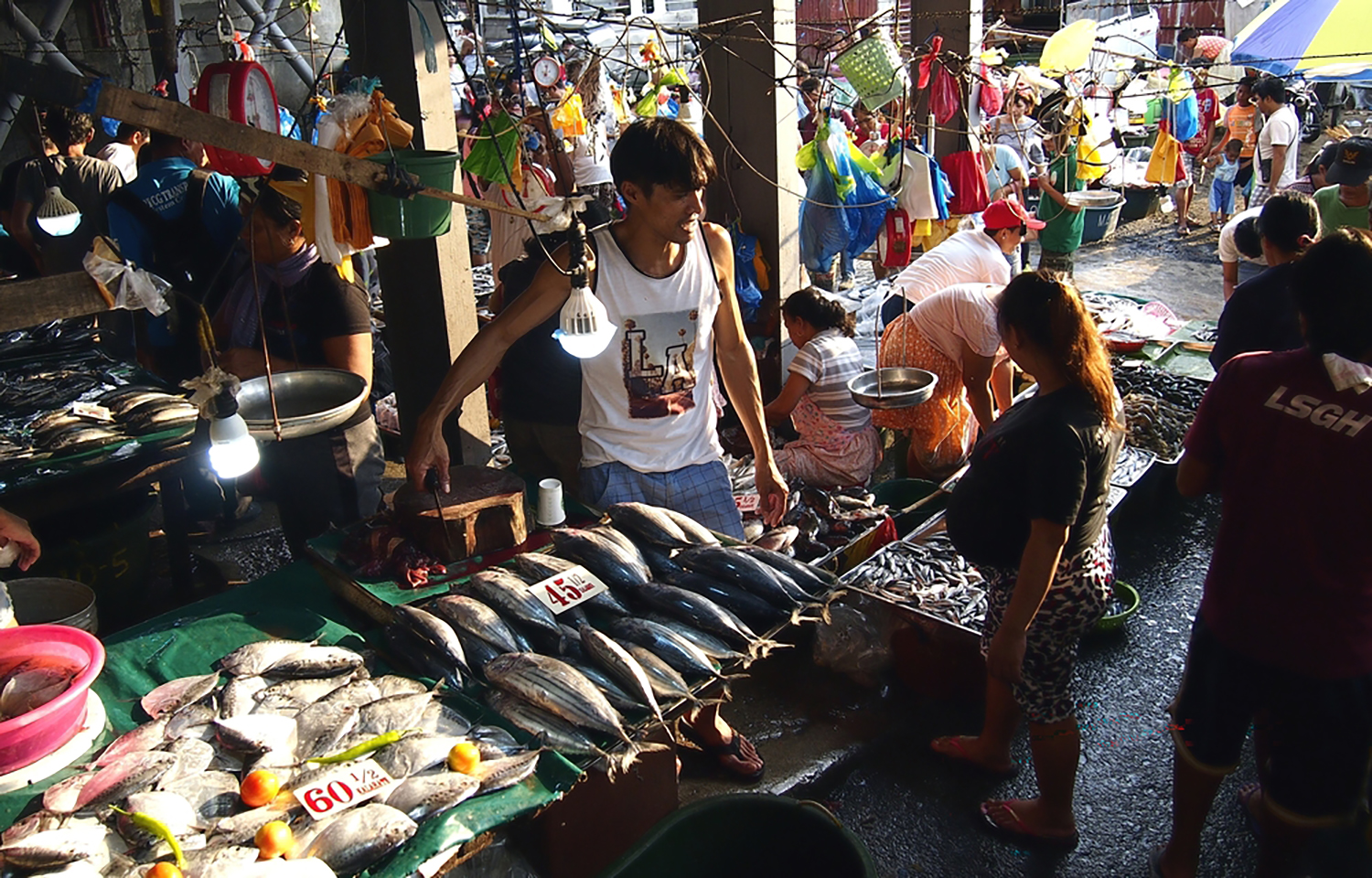
Closed fishing seasons are imposed toward the end of the year in various parts of the Philippines to protect spawning stocks and allow fish populations to recover. The government permits imports during these periods to help maintain market supply and limit sharp price increases.
The products covered by this year’s import program include non-finfish species such as crab, lobster, prawns, shrimp, clams, mussels, octopus, oysters, scallops, sea urchins, and squid. Approved finfish species include anchovies, amberjack, barramundi, cod, dolphinfish, eel, haddock, mackerel, marlin, salmon, sardines, sea bass, and tuna.
