






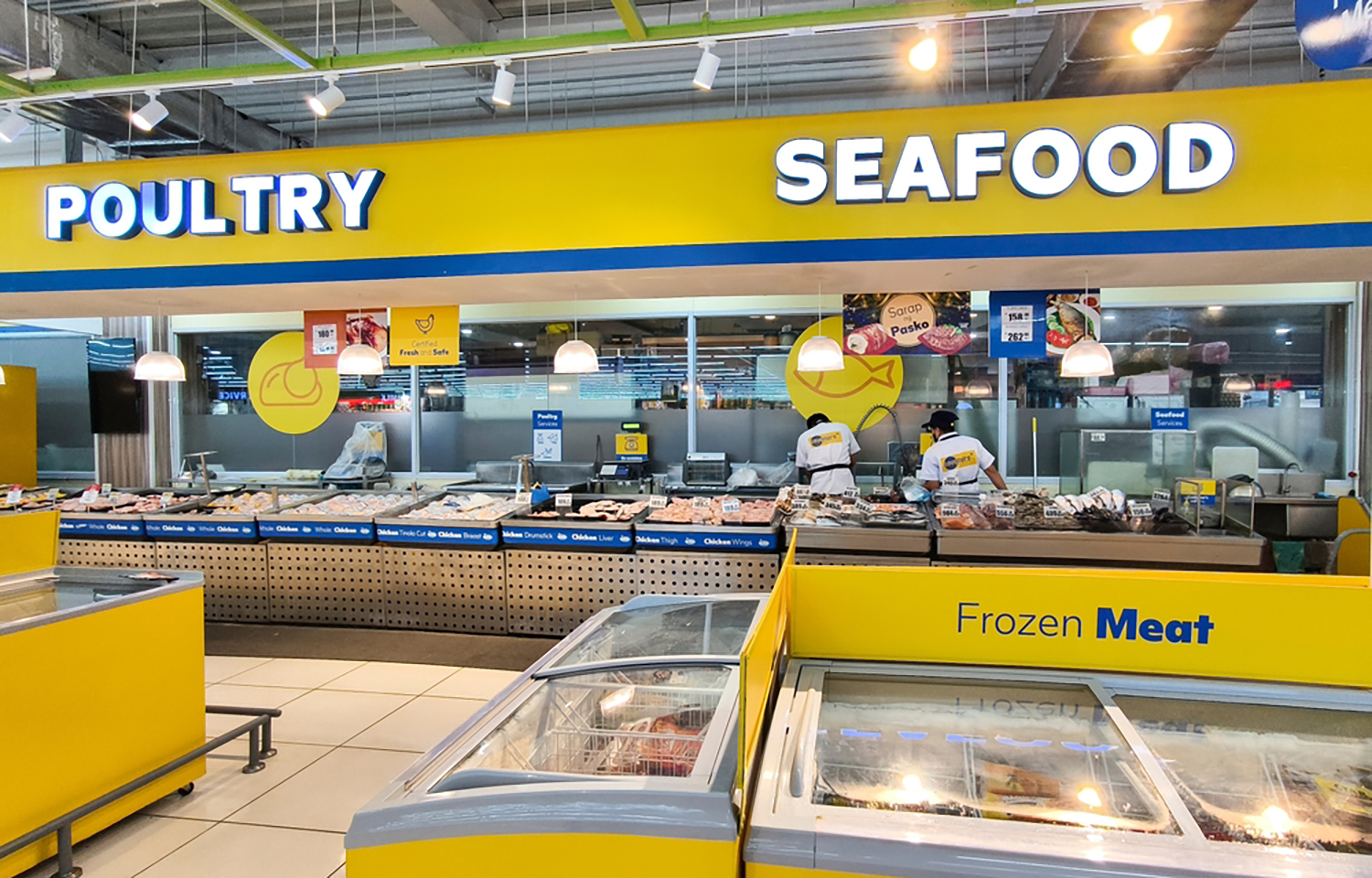
The U.S. is positioning itself to increase its share of the Philippines' USD 1 billion (EUR 847.6 million) seafood import market, as shrinking domestic catch and a surging population have created a widening supply gap in the Southeast Asian nation.
The U.S. currently exports such seafood products as frozen squid, fish fats and oils, fish pastes, and frozen sea bass to the Philippines, but despite the latter nation’s massive market opportunities, the U.S. remains a minor player, shipping just USD 8.2 million (EUR 6.9 million) worth of seafood in 2024 and accounting for less than 1 percent of total imports. This small share is largely blamed on high freight costs and preferential tariff rates enjoyed by regional competitors under various free trade agreements, the U.S. Department of Agriculture (USDA) said in a report released late last year.
In 2024, the Philippine seafood import market was dominated by China, which shipped USD 221 million (EUR 187.3 million) worth of products, followed by Vietnam with USD 134 million (EUR 113.6 million) and Papua New Guinea with USD 109 million (EUR 92.4 million).
In a market brief released in November 2025, the USDA said with the Philippine population of 115 million expected to grow by 1 million people annually, the country will require an additional 23,700 metric tons (MT) of seafood every year.
Meanwhile, Philippine local seafood production has declined by an average of 2 percent annually from 2015 to 2024.
To bridge the deficit, the Philippines’ Department of Agriculture has issued a series of certificates of necessity to import (CNI), including one that authorized the entry of up to 25,000 MT of seafood in early 2025. The government also expanded the list of permissible species, some of which the U.S. produces in large quantities.
“Among the products in the list are Alaskan Pollock, crab, clams, cod, lobster, and squid. This issuance is a positive step in providing Filipino consumers with a broader range of protein options and creates an opportunity for U.S. exporters,” USDA said.
U.S. shipments currently face tariffs ranging from 0 percent to 15 percent in the Philippines, while regional neighbors often benefit from zero-duty access. The USDA, therefore, urges American exporters to compete on "quality rather than price” to gain a bigger share in the Philippine seafood market.
