




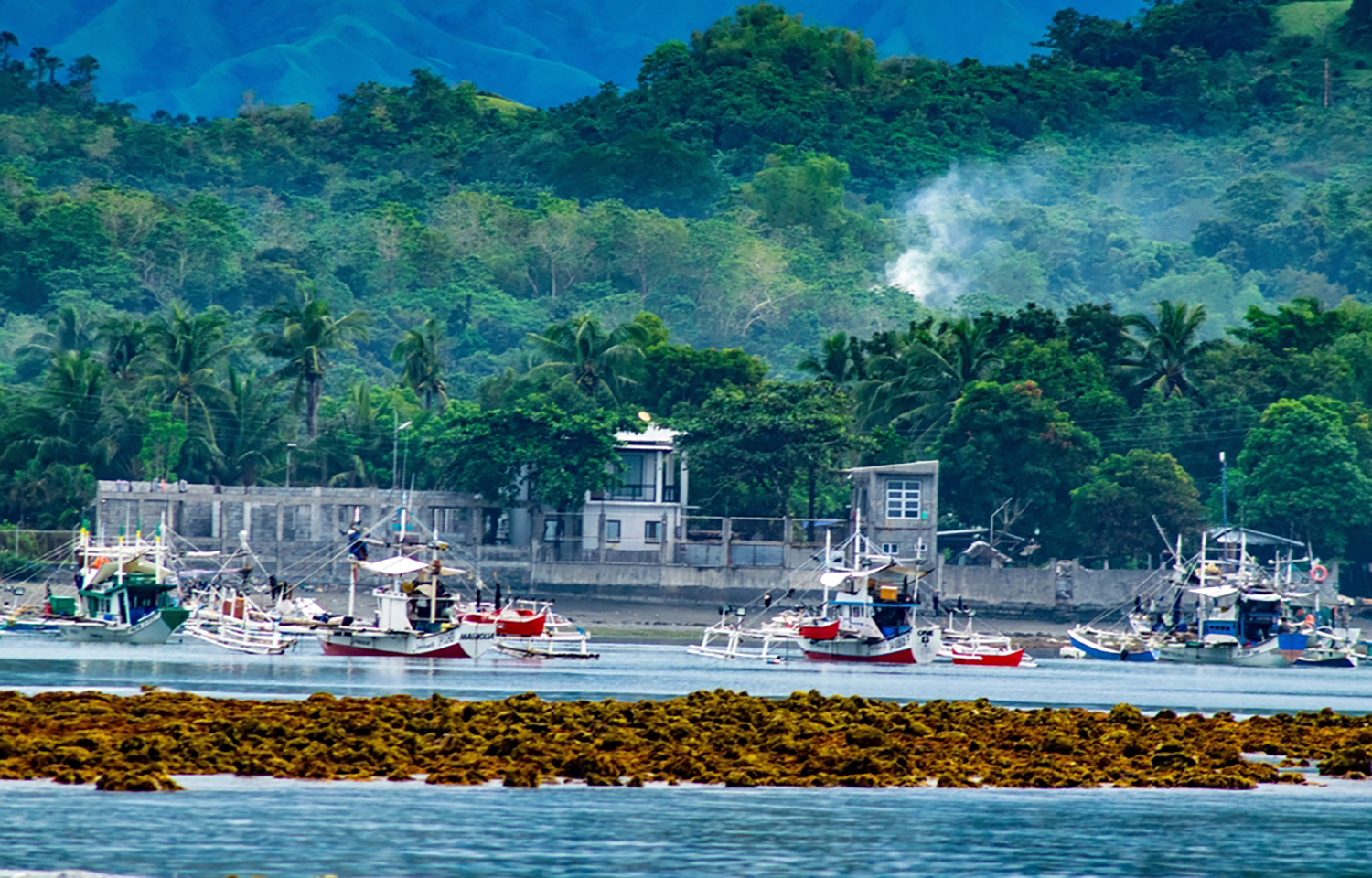
The Philippine government is exploring measures to stabilize domestic fish supply and support the nation’s fishing industry as high fuel prices have strained operations and raised concerns over the affordability of staple foods such as canned sardines.
Measures under consideration include raising fish import volumes if local fishing activity slows or stops due to mounting fuel costs, Philippine News Agency recently reported, citing Agriculture Secretary Francisco Tiu Laurel Jr.
Earlier this year, the country’s National Fisheries and Aquatic Resources Management Council authorized fish imports of 250,000 metric tons (MT) for 2026. More recently, however, Laurel Jr. signaled that figure could increase depending on market demand and supply disruptions as the initial estimates did not incorporate potential spillover effects from the ongoing war in Iran, which have contributed to higher global energy prices and resulted in Philippine President Ferdinand Marcos Jr. declaring a national energy emergency in March.
“If the [fishing] sector stops, [fish imports] could be 300,000 MT or 350,000 MT. We don’t know; it depends on the demand,” he said.
The nation’s Department of Agriculture (DA) said any additional imports would be aimed at filling supply shortfalls rather than expanding overall market volumes.
Besides plans to increase imports, Laurel Jr. also flagged operational bottlenecks in key fishing hubs such as General Santos City, where delays in unloading tuna have been reported. The DA emphasized that plans to fix the issue remain under review but preparations are being made while authorities continue to track supply conditions during ongoing energy-related pressures.
Meanwhile, rising fuel costs are tightening margins for sardine producers, prompting the government to hold regular consultations with manufacturers on whether retail prices should be adjusted. The Philippine Department of Trade and Industry (DTI) has been engaging with the industry since March to assess how higher oil prices are affecting production expenses and whether these pressures could eventually be passed on to consumers, according to GMA News Online.
Suggested retail prices for canned sardines currently range from PHP 15 to PHP 21 (USD 0.25 to USD 0.35, EUR 0.21 to EUR 0.29) per can, depending on the brand. For many households in the Southeast Asian nation, sardines remain one of the most accessible sources of protein, making any potential price movement particularly sensitive.
Francisco Buencamino, executive director of the Canned Sardines Association of the Philippines, said that higher diesel prices directly increase the cost of catching fish and processing raw materials.
Laurel Jr. added that fuel costs in such areas as General Santos City, which previously accounted for between 40 percent and 50 percent of production expenses, now make up between 70 percent and 80 percent, significantly squeezing margins.
Despite the pressure, the DTI said it has not yet reached a decision on long-term price adjustments and continues to review market conditions. Sardines are among basic goods subject to a government-imposed price freeze that will remain in effect until 10 May.
Separately, the DA is preparing a targeted subsidy scheme to help fishers cope with escalating fuel costs. The department is considering providing financial assistance equivalent to PHP 10 (USD 0.16, EUR 0.14) for every kilogram of fish landed at government ports, a measure aimed at offsetting operating expenses that have climbed sharply in recent months, BusinessMirror reported, citing Laurel Jr., who said the proposal remains subject to funding availability, with the DA currently working to identify budget sources to support the planned subsidy program.
If implemented, the Philippines would join several other nations around the world that have rolled out aid packages to assist the fishing industry as fuel costs mount.
In early April, the Thai government authorized a seven-point assistance package, part of which includes granting local fishermen access to biodiesel at a discount of THB 5.00 to THB 6.00 (USD 0.15 to USD 0.18, EUR 0.13 to EUR 0.15) per liter relative to standard diesel.
Elsewhere, Ireland recently launched a EUR 505 million (USD 595 million) emergency fuel support aid package, which includes money set aside specifically for the country’s fishing industry.
“We appreciate that the fishing industry has been included in the support package announced,” Killybegs Fishermen’s Organization CEO Dominic Rihan told SeafoodSource. “It provides temporary mitigation from the negative impacts on the Irish fleet from the elevated fuel price and, thus, incentivizes vessels to continue fishing while shielding the domestic seafood market from disruption in supply and maintaining continuity of supply for seafood exporters to the international market.”
