






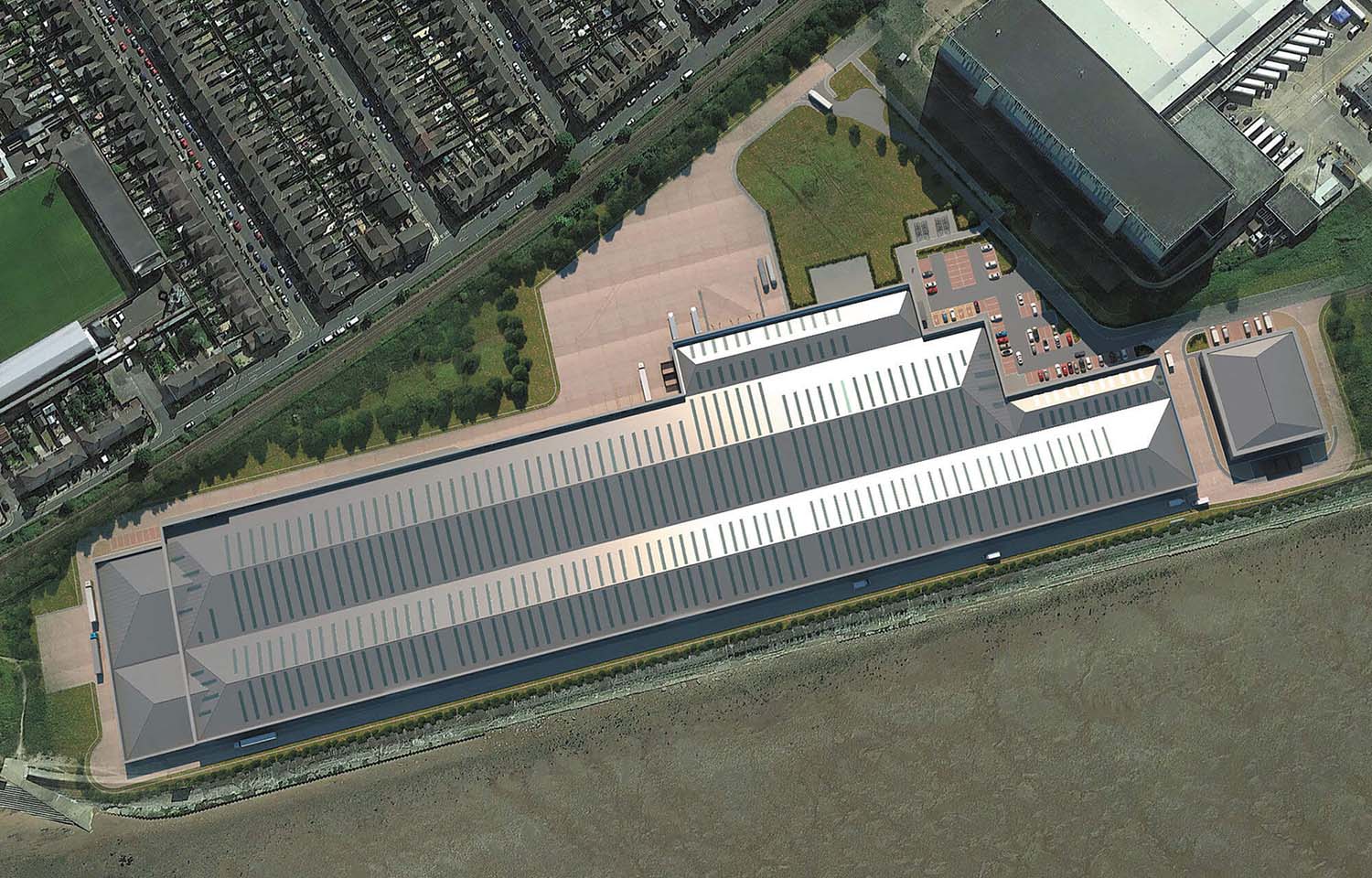
AquaCultured Seafood has received the regulatory green light from the North East Lincolnshire council to move forward on a 5,000-metric-ton (MT) recirculating aquaculture system facility following an 18-month planning process, which, upon completion, will become the U.K.’s first onshore salmon grow-out farm.
The company plans to build the farm on former rail sidings at the port of Grimsby on the nation’s east coast. North East Lincolnshire Mayor Ian Lindley has backed the company's plan, praising the creation of the estimated 80 local jobs the farm would generate.
“It is a huge opportunity for the area; to throw it out would be foolhardy. This will be a massive boost to the local economy,” Lindley said.
Work on the 50-tank facility, which will cost in the region of GBP 120 million (USD 150 million, EUR 139 million) to complete, is due to start in 2024. Two-thirds of the cost will go toward construction, and the remaining one-third will cover the technology needed for the farm to operate effectively. The estimated construction time is 18 months, and the company's first salmon is anticipated to be on shelves 22 months after construction concludes.
“This was an intense planning process, during which we had to submit detailed reports on every aspect of the project, including its potential impacts related to ecology, noise, smell, and light,” AquaCultured Seafood Sales and Marketing Director Mike Berthet said. “We also held an open meeting with local residents in May [2023] to dispel misinformation about land-based salmon farming and listen to their general concerns about the project. We then lowered the height of the building slightly and moved it farther north to improve its visual amenity.”
The approval of the farm has also been welcomed by local processing companies Young’s Seafood, Hilton Foods, and New England Seafood, all of which currently import the majority of the fish they process from Iceland, Norway and farther afield.
“We are hoping to sell everything locally. We have the country’s top salmon processors within two kilometers of the farm, so it’s a bit like them having a salmon farm in their carpark,” Berthet said.
Though the farm has received nearly ubiquitous praise from the industry, environmental groups have voiced objections. The criticism has been specifically led by Animal Equality UK, whose executive director, Abigail Penny told North East Lincolnshire councilors to “choose to be on the right slide of history” and not to “give the green light to one of the most enormous fish farms on the planet,” citing “catastrophic death and destruction” of fish at other farms nearing this scale.
Berthet, in defense of the ASL project, assured the planning committee that AquaMaof, the company’s technology partner, is a world leader in the field of recirculating aquaculture system (RAS) technology and has operated an RAS farm in Poland for seven years without issue.
After the council’s approval to move forward with the project, Berthet said "breaking new ground is always difficult" and that he hopes environmental groups "reverse course now that the project has received approval."
“We hope to [garner] some positivity now we have planning permission and really hope that everyone will get behind the new farm and be proud of what we produce there,” he said. “It’s been several decades since major landings of fish have been seen in Grimsby, and we are bringing fresh fish back for the first time.”
Discussions with egg suppliers and feed producers are already underway, and fundraising is also well in hand, according to Berthet.
Aside from recruiting personnel for the building and commissioning process, the company aims to start gearing up staffing for the first part of the farm’s life-cycle process, which will take stocked fish from egg to smolt in around six months.
“We have considerable expertise heading up the company, with Craig Anderson, former CEO of the Scottish Salmon Company as chair, but our aquarists will be the first to work in an RAS grow-out salmon facility in the U.K. This is a new industry, so extensive, ongoing specialist training will play a major part in helping us to develop a successful business,” Berthet said.
Led by AquaMaof, training will occur though courses and seminars run on site, as well as at the company’s dedicated training center in Poland.
“Ultimately, we will employ upwards of 80 people, but local ancillary businesses will also benefit in areas such as marketing, legal work, and consulting. We are already employing local people because this project is as much about investing in Grimsby and Cleethorpes, as much as it is about producing high-quality seafood,” Berthet said. “We are all thrilled that the hard work has paid off and we can start a new industrial revolution in the U.K., using the latest technology to produce delicious, healthy protein.”
Photo courtesy of Shutterstock/Peter Yeo
