






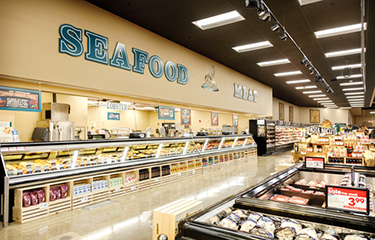
Recognizing Americans’ growing concern over grocery inflation, Giant Eagle is locking in prices on 800 products – including several seafood items – while other retailers are pursuing different strategies to ease shoppers’ worries.
Following the lead of U.K. grocers, Pittsburgh, Pennsylvania, U.S.A.-based Giant Eagle rolled out a price lock initiative on a list of 800 “high-quality” items at its 196 grocery stores and GetGo convenience stores. The program will reduce and control prices on these items by an average of nearly 20 percent, the retailer said.
Inflation of grocery prices has recently shown signs of easing for the first time since March 2020, but “everyday consumers continue to be challenged by the realities of increased costs for essentials and the items that make life’s big and little moments more enjoyable,” Giant Eagle said.
Included in the new price-locked items are 12-ounce frozen shrimp skewers for USD 5.99 (EUR 5.49) each, frozen 31/40 easy-peel shrimp for USD 7.99 (EUR 7.33) per pound, and fresh tilapia fillets for USD 6.99 (EUR 6.41) per pound, Giant Eagle Public Relations Manager Jannah Jablonowski told SeafoodSource.
“In today’s economic environment, many people are looking to manage their grocery expenses. We’ve lowered and locked the prices of key items across our seafood department to provide our customers with consistent value and peace of mind as they shop our stores for high-quality ingredients,” Jablonowski said.
Due to inflation-driven cost increases, consumers are shopping at multiple stores to find the best prices on their preferred products, Jablonowski said.
“By lowering and locking in prices on 800 key items … we hope that providing this strong value and an exceptional shopping experience to Giant Eagle customers will drive loyalty," she said.
The company aims to deliver “meaningful reductions on hundreds of items with a focus on those that are most popular during the spring and summer months,” Giant Eagle Interim CEO Bill Artman said.
Other grocers are pursuing separate strategies to ensure consumers can find affordable options. Zaandam, Netherlands-based Ahold Delhaize, which operates more than 2,000 supermarkets in the U.S., said it’s relying on suppliers to help lower shoppers’ overall grocery bills.
"We have clear conversations with our vendors to make sure that when commodity prices are coming down, their prices are coming down, too," CEO Frans Muller told Reuters. ”My message is: Be transparent, and be as fair as you can be when prices are coming down.”
In response to the shift in consumer behavior favoring less-expensive options, discount grocer Aldi U.S. is growing its store count. The Batavia, Illinois, U.S.A.-based retailer said it’s adding 120 new stores in the U.S. this year, bringing its total to more than 2,400 by the end of the year.
“At a time when inflation is forcing some retailers to slow growth, or even shutter stores, customers are actively asking for more ALDI locations in their communities,” the company said.
West Des Moines, Iowa, U.S.A.-based Hy-Vee was one of the first retailers to announce cost-saving measures in response to rising inflation, both in its own operation and in offers to shoppers last May.
“Today, Hy-Vee and other retailers across the nation are currently facing a number of obstacles, from rising inflation and increasing fuel costs to supply chain disruptions and more,” Hy-Vee wrote in advertorials published in newspapers across the country at the time.
Hy-Vee, which operates 285 U.S. grocery stores, aimed to shuffle 500 positions from the corporate level to the retail side of its business. Additionally, Hy-Vee began offering more frequent discounts via digital “daily deals” featured on TV, through text messages, social media, and digital weekly ads, and in stores.
“The majority of consumers are now being forced to focus on necessities and make their dollars stretch just so they can afford the most basic of staple items – whether that be milk, butter, and grains – as well as proteins like eggs, poultry, pork, and beef,” Hy-Vee Chief Merchandising Officer and Chief of Staff Donna Tweeten said at the time. “We need to do everything in our power to keep prices down and provide the very best value, especially when it comes to the rising costs on those most basic essentials.”
Photo courtesy of Giant Eagle
