





A federal judge has denied Red Lobster’s motion to dismiss a class-action fraud lawsuit alleging that the restaurant chain sold Maine lobster and farmed shrimp that is not as sustainable as the company claims.
U.S. District Judge John A. Kronstadt denied the motion to dismiss the class action complaint, originally filed in June 2021 by Dezzi Rae Marshall in the U.S. state of California against Orlando, Florida, U.S.A-based Red Lobster. Marshall – represented by Richman Law and Policy, which has brought similar lawsuits against ALDI, Cooke, and other companies – alleges that the company’s shrimp and lobster are sourced from farms and fisheries that don’t meet high environmental standards.
"We are pleased that the court denied defendants' motion to dismiss in its entirety. We hope that courts will continue to recognize the value consumers place on ensuring that meals 'promised' as sustainable actually fulfill that promise and minimize harm to aquatic animals," Richman Law and Policy Animal Welfare Legal Fellow Brooke Dekolf told SeafoodSource.
In his ruling, Kronstadt said the evidence that the plaintiff offered claiming Red Lobster’s seafood isn’t as sustainable as it claims was sufficient enough for the lawsuit to move forward.
The lawsuit alleges Red Lobster's shrimp comes from farms in Indonesia, Vietnam, India, and China that "engage in environmentally destructive practices, poor reporting of environmental data and standards, and overuse of antibiotics.” It noted Monterey Bay Aquarium’s Seafood Watch advises that customers seeking sustainable seafood should not choose shrimp products from Indonesia, Vietnam, India, and China.
The complaint also criticizes the restaurant chain’s lobster sourcing from the U.S. state of Maine, which it said is sourced from suppliers that use environmentally destructive practices that threaten endangered populations of North American right whales. The Gulf of Maine lobster fishery has also been determined to be violating the Endangered Species Act, which in turn resulted in the Marine Stewardship Council suspending its certification.
That suspension was mentioned in Kronstadt’s denial of Red Lobster’s motion to dismiss, which he pointed out was “following a finding that the fishing gear being employed at the fishery posed legitimate risk to North American right whales.”
Kronstadt said the allegations are sufficient to show that the plaintiff, “a layperson without any alleged expertise in environmental science or sustainability processes,” would be unable to verify and rely on Red Lobster’s sustainability representations.
Due to the alleged false advertising by Red Lobster, the plaintiff is “unable to rely on [defendants'] representations of [their] product in deciding whether or not she should purchase the product in the future,” Kronstadt wrote.
Red Lobster argued that its sustainability representations, even if deceptive, are not actionable because they constitute “mere puffery,” Kronstadt agreed with the plaintiffs that the representations are not puffery because they are “specific, factual and objectively verifiable.”
“The alleged sustainability representations cannot be deemed mere puffery at this stage of the proceedings,” Kronstadt wrote. "As noted, the [plaintiff] alleges that the representations appear in the context of a ‘promise’ by Red Lobster that its representations are ‘more than just words on the menu.'”
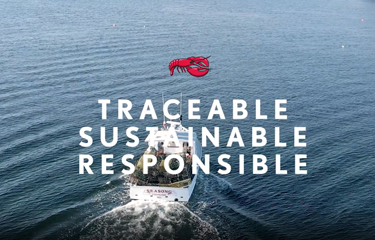
Red Lobster claims on its menu that its products are “sustainable” and “sourced to the highest standards,” including language such as “Seafood with Standards” and “Traceable. Sustainable. Responsible.”
The company also argued that the plaintiff’s request for punitive damages should be dismissed, a claim the judge also denied.
Photo courtesy of Red Lobster
