

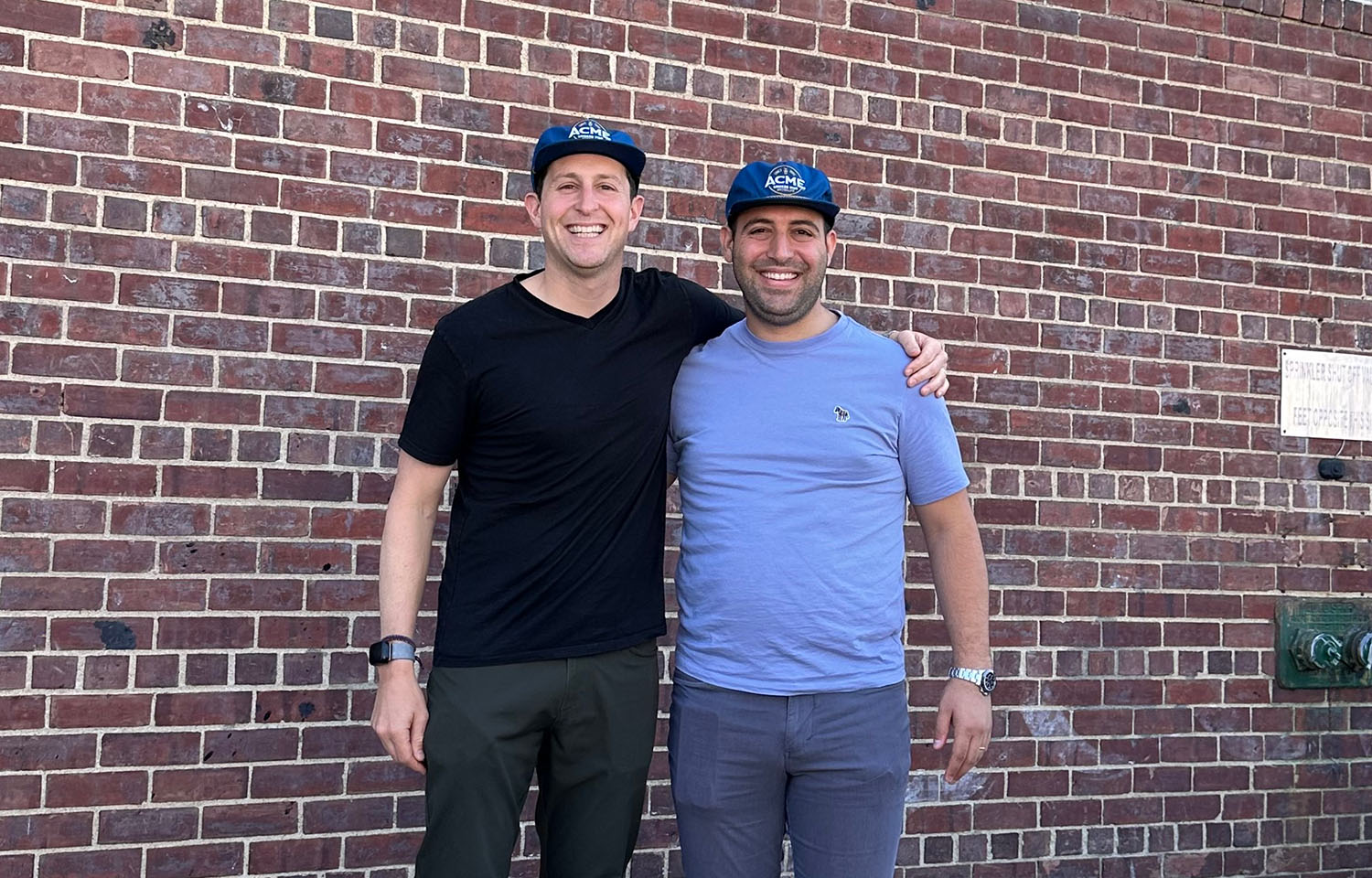
Brooklyn, New York, U.S.A.-headquartered Acme Smoked Fish Corp. has acquired competing smoked fish brand Banner Smoked Fish.
Acme Managing Partner Adam Caslow said he is positive about a seafood industry turnaround in the second half of this year and the longtime smoked seafood supplier is open to additional acquisitions.
Brooklyn-based Acme did not disclose terms of the transaction but said in a press release that it has worked alongside Banner Smoked Fish through decades of “respectful competition.”
Banner Founder Avi Attias and his son, Banner Operators Manager Eli Attias, will join Acme, and the company’s operations will move from Coney Island to Acme’s production facility in Greenpoint, New York. Both suppliers will continue to offer smoked and cured fish specialties under their respective brand names.
“We’re thrilled to bring two family businesses together on a shared mission to make exceptional smoked fish,” Caslow, a member of the fourth generation of Acme ownership, said. “It’s an exciting time to work together with the Attias family; our shared legacy and commitment to quality will enable us to better serve our expanding customer base.”
Founded in 1988, Banner has a similar product line to Acme, including smoked salmon, whitefish, sable, tuna, herring, trout, whiting, and smoked fish salads.
“It’s a business we know ... and Banner has a lot of the same products that we are already making. That’s part of what makes it so seamless,” Caslow told SeafoodSource.
Caslow declined to reveal Banner’s annual sales but said it primarily services the bagel and deli foodservice market in New York City and Philadelphia, Pennsylvania, U.S.A., whereas around 60 percent of Acme’s business is retail and 40 percent is foodservice.
“Banner has some good inroads into the customers they serve, and the timing is right for us to get into customers we could be playing more with,” Caslow said.
Acme’s products are certified kosher, but Banner has a higher level of kosher endorsement from the Central Rabbinical Congress, which appeals to certain higher-level kosher stores, according to Caslow.
Caslow and the Acme team have been working closely with Banner for the past few months to ensure that quality standards are maintained during the transition, the company said.
The acquisition has Caslow optimistic about Acme’s business and a financial turnaround for the overall seafood industry in the second half of the year.
“The entire industry has felt the impacts of inflation. It has been a tough year in seafood,” Caslow said. “We expect the market to improve. We all know seafood plays an important part in the protein equation. We believe in the sector and finding ways to make it successful.”
Acme’s retailer partners are putting together programs to stimulate demand, he noted. Additionally, smoked fish products perform better during the holiday season, so a busier fourth quarter combined with an “exciting calendar of new products that we’re introducing” should make for a successful year, according to Caslow.
In December 2023, the company rolled out “Lox in a Box” snack kits, which are now in retailers, and this fall, it will introduce what it said is the first branded cold-smoked, sesame-crusted ahi tuna, along with a smoked salmon dip with Mike’s Hot Honey. Partnering with Mike’s Hot Honey, also based in Brooklyn, is a “full-circle moment,” Caslow said.
"We met them when Founder Mike Kurtz first started putting hot honey on pizza slices at Paulie Gee’s pizza shop," he said. "It’s one of the reasons why we are happy to be located in Brooklyn – the innovation that comes out of our neighborhood.”
The initial rollout for the salmon dip is retail and club stores, but foodservice will follow, according to Caslow.
Acme is also looking for the “right opportunity” for future acquisitions, Caslow said. The company is open to opportunities in ready-to-eat seafood applications and adjacent applications.
Additional opportunities for growth will come from increased capacity when its new 43,000-square-foot manufacturing facility in Pompano Beach, Florida, begins full production this fall. The plant adds 4 million pounds of cold smoked salmon to its manufacturing capabilities, Caslow told SeafoodSource in January.
Acme now operates six manufacturing facilities in total.
