






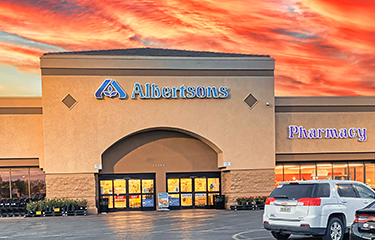
Retail analysts and consumer groups believe the pending merger between massive U.S. grocery chains Kroger and Albertsons could negatively impact seafood suppliers and shoppers, warning that, if approved, it would result in fewer options for consumers, higher prices, less competition, and the possible shuttering of smaller grocery chains.
The proposed USD 24.6 billion (EUR 22.8 billion) merger, announced last October between Boise, Idaho, U.S.A.-based Albertsons and Cincinnati, Ohio, U.S.A.-based Kroger, would combine the forces of two companies that together operate 4,996 stores, 66 distribution centers, 52 manufacturing plants, 3,972 pharmacies, and 2,015 fuel centers across the U.S.
“The combination creates a premier seamless ecosystem across 48 states and the District of Columbia [Washington, D.C.], providing customers with a best-in-class shopping experience across both stores and digital channels,” the two retailers stated in a press release at the time.
However, the union faces several regulatory and legal hurdles before receiving federal approval.
In mid-August of this year, officials from seven U.S. states asked the Federal Trade Commission (FTC) to stop the merger, per Reuters, saying it would give the newly combined company control over nearly a quarter of the U.S. food retail market.
“We are strongly opposed to this merger and urge you to stop this corporate consolidation that is draining Americans of their hard-earned wages and livelihoods,” the Colorado, Arizona, Maine, Minnesota, New Mexico, Rhode Island, and Vermont secretaries of state wrote in a joint statement.
The Center for Science in the Public Interest (CSPI) also called on the FTC to block the deal, claiming it would result in fewer grocery stores and higher food prices.
“Post-merger, the combined companies plus the [U.S.’s] largest food retailer, Walmart, would control 55 percent of the food retail market,” CSPI said in a press release.
Grocery mergers in highly concentrated markets directly correlate with higher food prices, and consolidation in the grocery industry often results in fewer grocery stores, CSPI said, citing Federal Trade Commission research.
“Food prices are higher than ever before, and 40 million Americans live in areas with low incomes and limited access to healthy, affordable food,” CSPI President and Executive Director Peter Lurie said. “The proposed merger of Kroger and Albertsons will likely mean higher prices, fewer stores, and less competition. It might be a good move for executives and shareholders, but the merger would be an economic blow to Americans, especially those whose jobs would be lost post-merger.”
Kroger and Albertsons have ensured it will not cut jobs as a result of the merger, Lurie said he was skeptical as to the veracity of that statement, as the deal requires the sale of up to 650 stores, Business Insider reported.
The two grocery chains announced on 8 September that they entered a definitive agreement with C&S Wholesale Grocers, LLC for the sale of select stores, banners, distribution centers, offices, and private-label brands in connection with the merger.
The divestiture transaction includes 413 stores, along with QFC, Mariano’s, and Carrs-Safeway grocery brand names. In addition, Kroger will divest the Debi Lilly Design, Primo Taglio, Open Nature, ReadyMeals, and Waterfront Bistro private-label brands. The Waterfront Bistro brand, launched in 2009 to provide a “convenient, at-home version of a high-quality seafood bistro experience,” featured products ranging from frozen finfish and shrimp to heat-and-serve meals, was updated in 2022 to give it a modernized logo and packaging design.
“This comprehensive divestiture plan marks a key next step toward the completion of the merger by extending a well-capitalized competitor into new geographies,” Kroger and Albertsons said in a press release. “The divestiture plan ensures no stores will close as a result of the merger and that all frontline associates will remain employed, all existing collective bargaining agreements will continue, and associates will continue to receive industry-leading health care and pension benefits alongside bargained-for wages.”
Rich Wolverton, owner of retail and foodservice consulting firm Grow Foodservice, based in Santa Rosa, California, U.S.A., said the deal will likely result in higher grocery prices and fewer opportunities for seafood suppliers.
“I look at Kroger-Albertsons as a very difficult merger for the seafood industry and consumers,” said Wolverton, who was an executive at Food Services when US Foods acquired the company in a merger in 2019.
In a market like Phoenix, Arizona, for example, that Kroger, Albertsons, and Safeway stores dominate, consumers would have fewer choices due to less competition, likely pushing the nearly monopolized grocery prices higher, Wolverton said.
“From the seafood point of view, this means less customer consolidated power and potentially makes it much harder to get in as a new supplier,” he said.
Additionally, Wolverton said large national grocery chains concentrated in one area makes it more challenging for smaller grocery companies such as Bashas in Arizona and Raley’s in California to compete.
Despite the concerns, Kroger and Albertsons executives said the merger will benefit seafood suppliers and other food producers.
“Through the proposed merger, we will create an expanded network and a more efficient supply chain that will allow all our suppliers and farmers – including seafood suppliers and producers – to grow their businesses as we work together to provide fresh, affordable food to our communities,” a Kroger spokesperson told SeafoodSource.
U.S. shoppers will also benefit from lower overall prices as a result of the merger, according to Kroger. As the chain has done in past mergers, “we will hold ourselves accountable to our customer commitments, including investing USD 500 million [EUR 464 million] to lower prices starting on day one post-close,” the spokesperson said.
“Kroger is a customer-focused organization, and our ability to deliver value to customers is rooted in providing lower prices and more choices. This is of critical importance to us, and we have a long track record of investing in prices to lower costs, including investing more than USD 5 billion [EUR 4.6 billion] in lowering prices since 2003,” the spokesperson added.
The two retailers will be able to provide a “wider, better selection of the products customers need, want, and love, with all the personalized offers that help families everywhere put food on the table,” Albertsons CEO Vivek Sankaran echoed in a video posted to LinkedIn.
Photo courtesy of Grossinger/Shutterstock
