





Overall U.S. food inflation and seafood inflation continued to dampen consumer spending power in March, pushing down retail seafood sales. However, private label seafood product sales are on the upswing, along with overall food and restaurant sales.
Fresh seafood prices realized “a small uptick” of 2.6 percent in March 2023 versus March 2022, 210 Analytics Principal Anne-Marie Roerink said, citing Circana data.
“Only fresh finfish still had lingering inflation of 5.2 percent when compared to March 2022 pricing levels,” she said, adding fresh shellfish prices declined 2 percent for the month.
Frozen seafood prices inclined 3.2 percent in March 2022, while ambient inflation increased 3.8 percent.
Seafood inflation rose 2.6 percent in March compared to March 2022, according to the U.S Bureau of Labor Statistics’ Consumer Price Index, but fell 1.1 percent in March compared to February. The overall food index was unchanged from February to March and the food at home index fell 0.3 percent, the BLS said.
The food-at-home index hiked 8.4 percent over the last 12 months, the CPI said, while the index for food away from home rose 8.8 percent over the last year. The index for full-service meals rose a significant 8 percent over the last 12 months, and the index for limited-service meals also soared 7.9 percent.
As a result of inflation, shelf-stable seafood sales dropped 0.7 percent this March compared to March 2022, while frozen seafood sales dropped 4.4 percent and fresh seafood sales declined 2 percent.
Ambient salmon sales experienced the biggest decline of 7.6 percent while ambient tuna sales declined 1 percent.
Fresh seafood sales were hampered by an uptick of 6.2 percent in prices on salmon – the biggest seller in grocers’ fresh seafood departments. Fresh shrimp prices rose 5 percent. Not all fresh seafood saw the same price increases, however, as lobster prices declined by 11.6 percent and crab prices decreased 6.7 percent.
Sales of nearly all major fresh fish and shellfish species dropped in March. The biggest losses were in cod (down 21.9 percent), shrimp (down 13.3 percent), seafood cakes (down 12.9 percent), and lobster (down 10.7 percent).
Crab sales increased 9.5 percent, though, and salmon sales were up 2.5 percent despite the 6.2 percent price hike.
In the frozen department, salmon prices spiked 17.1 percent, while frozen pollock prices jumped 16.6 percent, according to Circana and 210 Analytics. Conversely, frozen crab prices fell 12.8 percent and frozen shrimp prices dropped by 3.4 percent.
Frozen crab sales grew 5.6 percent for the month, but frozen shrimp sales dropped 5.8 percent, frozen tilapia sales declined 7.2 percent, and frozen pollock sales fell 5.2 percent.
Almost all shoppers are concerned about price increases – 94 percent of primary shoppers are concerned about food price increases and “preparing meals at home remains one of the chief measures in addition to looking for sales specials and buying private brands,” Roerink said.
Overall, private label food and beverage sales jumped 10.3 percent in the first quarter of 2023, according to Circana and 210 Analytics – twice the gain of national brands, which grew 5.6 percent.
“Buying private-brand items is a top three measure among the 81 percent of American households who are looking to save money when buying groceries,” Roerink told SeafoodSource. "In other words, there is a lot more willingness to switch between brands and between a manufacturer brand and store brand based on potential savings.”
Private brand shelf-stable seafood items – which make up 14 percent of total ambient seafood sales – outperformed manufacturer brands, rising 18.2 percent in the first quarter, versus 2 percent for national brands.
In the fresh seafood department, national brands – which represent 97 percent of sales – fell slightly by 0.7 percent in the first quarter versus 3.5 percent for store brands.
Inflation has altered 69 percent of consumer shopping lists as they switch to private label and trade down on quality, according to Pymnts’ Consumer Inflation Sentiment report.
Among grocery shoppers who say they have noticed price changes, 59 percent have cut down on nonessential grocery items, while 35 percent are buying cheaper alternatives. Eleven percent of shoppers switched to lower-quality items and 34 percent purchased fewer items but kept quality unchanged.
Circana finds more Americans preparing meals at home to save money. Nineteen percent of shoppers in the March Circana survey believe they will cook meals from scratch more often versus 5 percent who swill cook scratch meals less often.
“The primary drivers for wanting to cook meals from scratch more often are saving money (68 percent) and eating healthier meals (59 percent)” Roerink said.
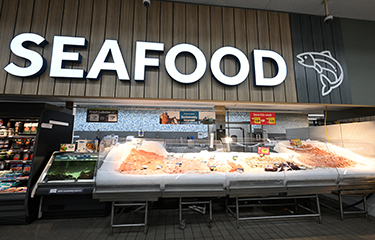
Photo courtesy of Stop & Shop
