





Senegal’s National Agency for Aquaculture (ANA) has begun installing the West African country’s first offshore aquaculture project as part of a larger national plan to expand marine commercial aquaculture, adequately address domestic demand for seafood, and mitigate the impact of wild capture on vulnerable stocks.
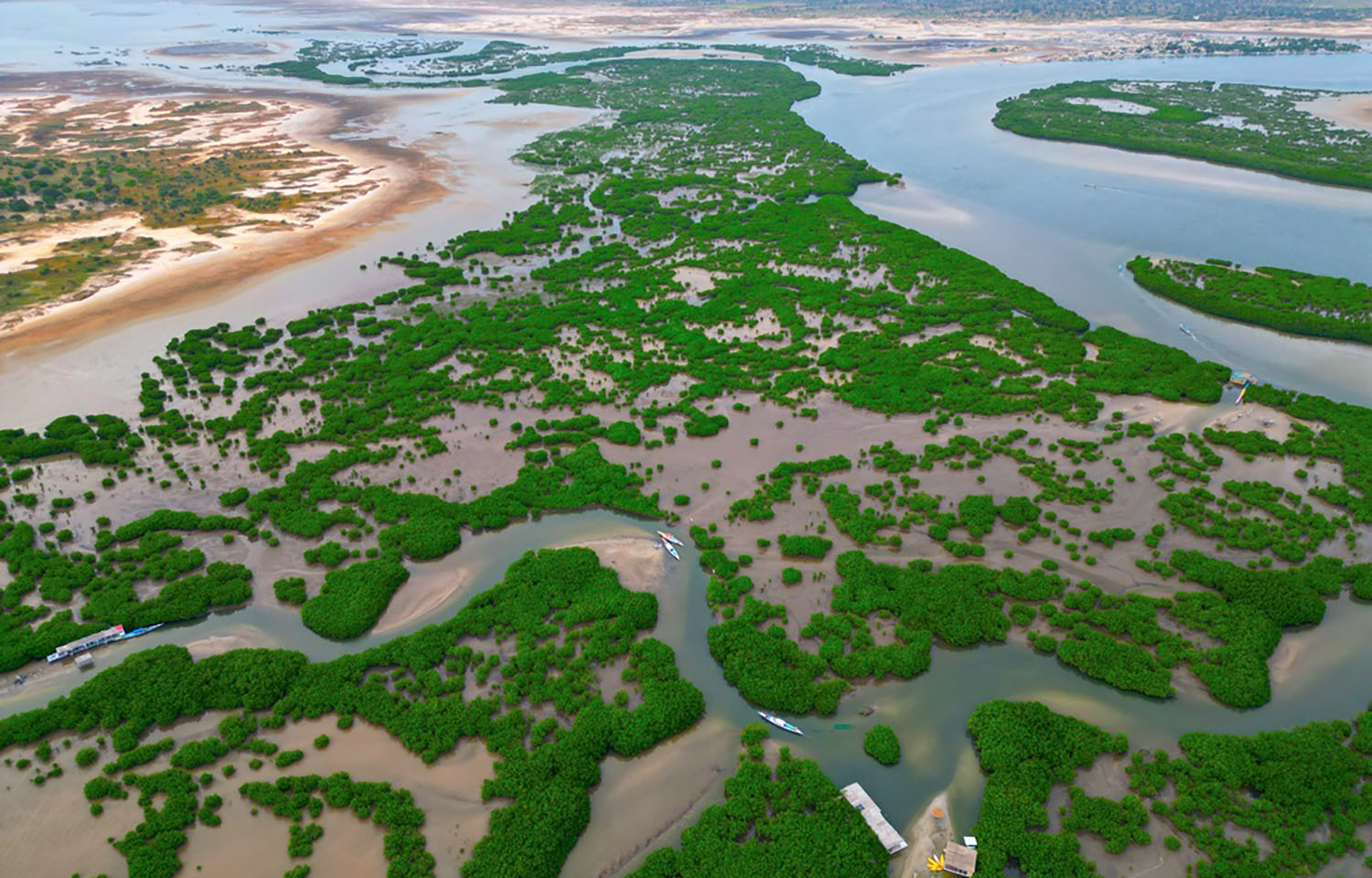
ANA, which is a government department under the Senegal Ministry of Fisheries and Maritime Economy, recently announced it launched the CFA 350 million (USD 623,000, EUR 534,000) pilot phase of the project, which included installing marine cages off of Diakhanor. The department kickstarted the initiative in partnership with Senegalese aquaculture development firm Atlantic Mariculture.
ANA described the project's unveiling as “a decisive milestone” in the development of Senegal's aquaculture sector and expressed optimism that the project “will enable the development of marine fish farming using modern techniques, boost national fisheries production, and create jobs and economic opportunities for local communities while contributing to food security and the preservation of fishery resources.”
“ANA reaffirms its commitment to promoting innovative and sustainable aquaculture in partnership with the national private sector, [aligning] with the ambitions of the 2026–2030 Strategic Plan for Aquaculture Development and Senegal's vision for the blue economy,” it said.
The strategic plan to which ANA alluded outlines goals to increase aquaculture production nationwide from 3,049 metric tons (MT) in 2025, mainly coming from ponds, tanks, and river-based floating cages, to at least 20,000 MT by 2030.
Even if Senegal were able to achieve that total by 2030, Food and Agriculture Organization (FAO) statistics show it would still not come close to meeting domestic demand, as Senegal's aquaculture production would need to reach over 80,000 MT annually by 2030 “in order to generate enough extra supply to cover extra demand driven by population growth alone.”
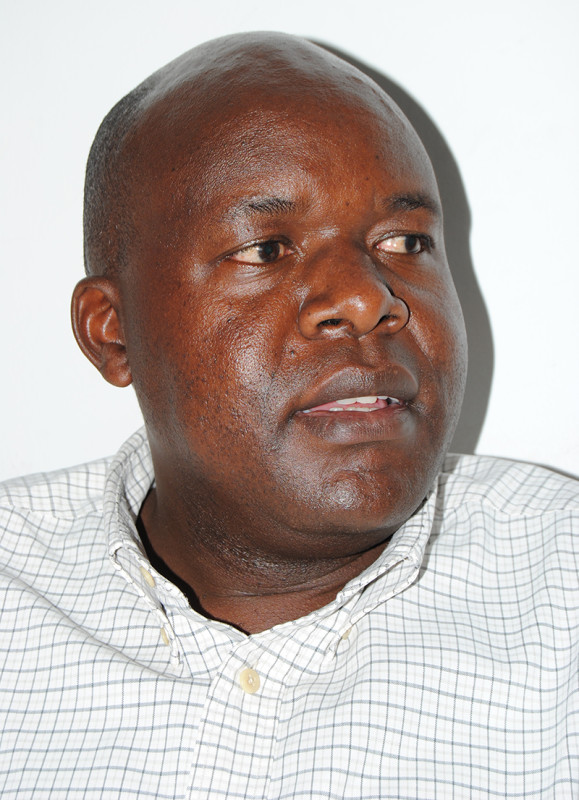
Though the Senegalese government is bullish on aquaculture growth, Gaoussou Gueye, the president of the Association for the Promotion and Empowerment of Artisanal Maritime Fishers in Senegal (APRAPAM), told SeafoodSource that marine aquaculture “should not be presented as a solution to overfishing or IUU fishing.”
He said although aquaculture “can contribute to increasing fish production,” the challenges facing Senegal's fisheries sector “require effective fisheries management, stronger control of industrial fishing, and the rebuilding of depleted fish stocks.”
“Aquaculture should complement these efforts, not replace them,” he said, adding that the main concern now among Senegalese small-scale fishers is what would happen when the project expands. “Experience from other countries shows that the expansion of marine cage aquaculture can lead to competition for coastal space, environmental impacts and the gradual exclusion of small-scale fishers from areas they have traditionally used.”
Therefore, he called for the involvement of small-scale fishing communities in the project’s decision-making processes, particularly “where and how marine aquaculture develops.”
“[We] want to ensure traditional fishing grounds and access routes are protected, and there must also be clear safeguards concerning the feed used by fish farms,” he said.
Concerning the latter point, Gueye cautioned that Senegal's drive to develop aquaculture “would be counterproductive if it created additional demand for fishmeal and fish oil made from small pelagic fish that are essential for local consumption, women processors, and the livelihoods of coastal communities.”
Similarly, Environmental Justice Foundation CEO Steve Trent said heavy demand for fishmeal can “add to unsustainable or illegal fishing pressure and create profound negative impacts across the fisheries sector, undermining the economic benefits to coastal communities while harming ecological security, sustainability, and food security.”
“Project developers must ensure that the potential harmful impacts of aquaculture are fully understood, communicated to all with full transparency, and are minimized,” he told SeafoodSource.
He also expressed concern that the project’s location could disrupt the rich biodiversity of Senegal’s Saloum Delta, claiming transparent environmental and social impact assessments would be a necessity before any scaling of the project.
