



A Food and Agriculture Organization (FAO) report estimates that up to 20 percent of seafood may be subject to fraud, but other studies estimate that number could be as high as 30 percent.
The report, “Food fraud in the fisheries and aquaculture sector,” surmises that one-fifth of the global fisheries and aquaculture sector is subject to some type of fraud – far higher than the levels of fraud believed to take place in other food categories.
“The global fisheries and aquaculture sector, which produced over 185 million tons of aquatic products in 2022 and was valued at USD 195 billion [EUR 164 billion], is becoming increasingly vulnerable to food fraud,” the report concludes. “This vulnerability arises from the sector’s complexity, the wide variety of species traded (over 12,000), and the involvement of multiple inspection authorities across international supply chains.”
The umbrella term of fraud covers a wide range of schemes, including species substitution, mislabeling, adulteration, counterfeiting, and falsified origins, though substitution and mislabeling are the most common types of fraud.
“These actions, often driven by economic motives, pose significant risks to public health, consumer trust, and marine conservation,” the FAO noted.
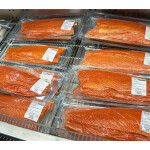
As an example, the report looks to the mislabeling of Atlantic salmon as Pacific salmon, an act that can raise the value of the product nearly USD 10 (EUR 8.00) per kilogram.
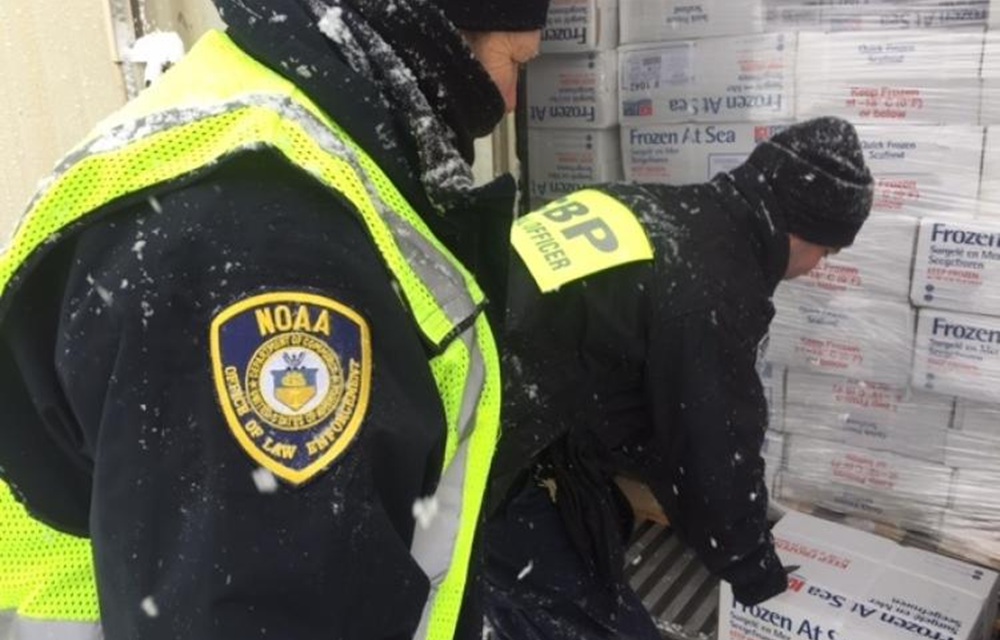
There are actions that can be taken to combat seafood fraud, according to the report, with the authors advocating for “harmonized labeling requirements, the mandatory inclusion of scientific names, and better traceability systems.”
The report also highlights several technologies that can be used to detect fraud and determine the origin and species of a given seafood product, such as DNA testing. Portable X‑ray fluorescence and machine‑learning models are also presented as innovative tools for rapid origin verification.
