





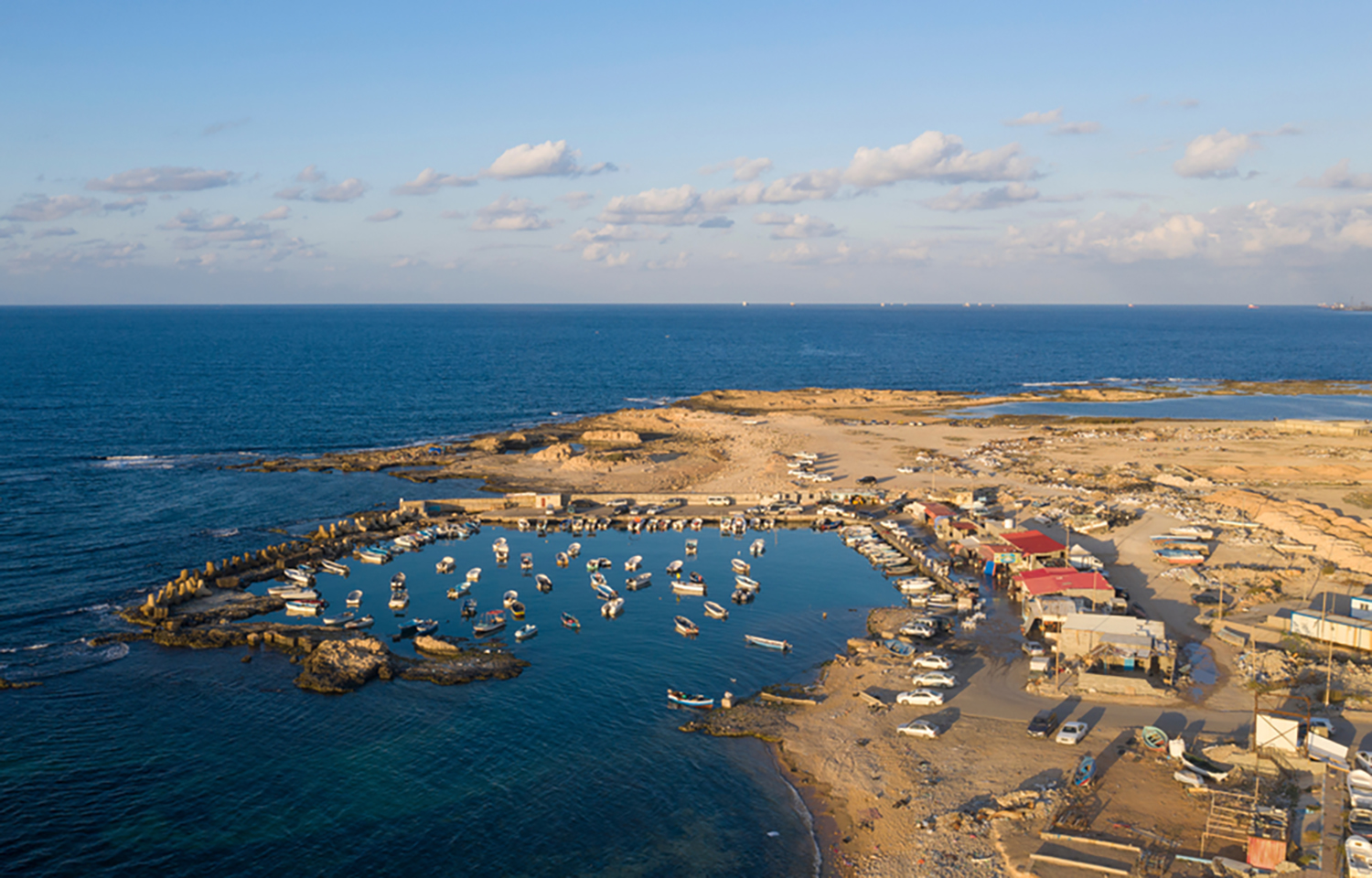
Effective 21 April, Libya has suspended exports and re-exports of all forms of seafood for at least 90 days to grant the nation’s government time to reassess the structure of its domestic fisheries sector.
According to the Libyan Export Development Authority – a state agency that promotes the export of Libyan products and domestic producers’ access to global markets – the temporary ban is meant to “regulate Libyan exports of fisheries, protect the local market, and ensure self-sufficiency.”
The move coincides with growing concerns about the underperformance of Libya's fishing industry attributed to the country's preoccupation with its oil and gas sector for decades, which some have argued has come at the expense of its marine fisheries and aquaculture development.
Libya has some of the lowest fish production totals among countries in the Mediterranean. Despite its vast marine resource potential, the country produces 45,000 metric tons (MT) of fish annually on average, which is far lower in comparison to its neighbors Tunisia, Egypt, Algeria, and Morocco.
Previous reports have indicated that Libya’s fisheries sector is characterized by underdeveloped infrastructure, “with limited access to modern fishing vessels, cold storage facilities, and processing plants, and as a result, the contribution of fisheries to the national economy remains minimal, despite the vast marine potential.”
Furthermore, Libya’s fishing industry faces the challenge of excess reliance on foreign labor and nutrient-poor waters, according to the African Union-Interafrican Bureau for Animal Resources (AU-IBAR), which is a technical office within the Department of Agriculture, Rural Development, Blue Economy, and Sustainable Environment of the African Union Commission.
"Small-scale fisheries, which account for over 85 percent of domestic production, remain marginalized in national development planning, with weak organizational structures and minimal support services," it said.
The AU-IBAR proposed Libya undergo a comprehensive legal and policy reform process if it is to unlock the full potential of its blue economy.
Meanwhile, Libya is seeking closer partnerships with regional fisheries organizations such as the General Fisheries Commission for the Mediterranean (GFCM).
GFCM is supporting Libya in the establishment of a national fisheries monitoring system covering catch, discard, and fleet data, expanding scientific surveys and stock assessments, and enhancing national technical capacity, according to the United Nations’ Food and Agriculture Organization (FAO).
FAO said Libya has, with the backing of GFCM, planned scientific marine surveys in 2026 and 2027 “to build a consistent scientific data series aligned with regional standards.”
The North African nation has also sought closer partnerships with Arab and European seafood export markets, where access has been limited for Libyan producers, partly because of low compliance with international fish trade requirements such as sanitary standards.
