



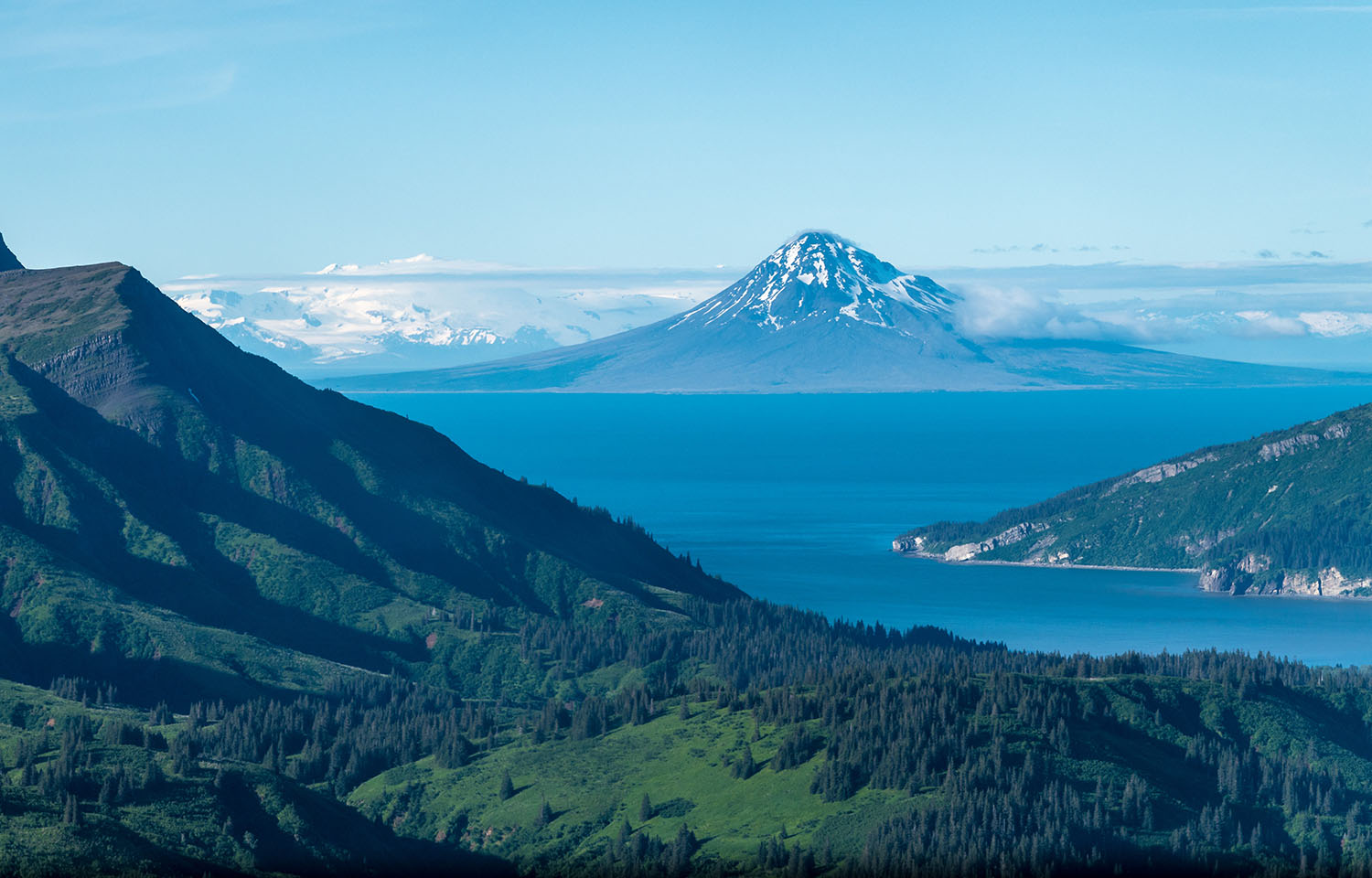
The Metlakatla Indian Community (MIC), located on the Annette Islands 20 miles south of Ketchikan, Alaska U.S.A., is the only Native American reserve in the state, and tribal members have the exclusive right to fish in a 3,000 feet zone around the island.
Now, tribal members are fighting in court to expand that zone, as reported by Alaska Public Media. While several other Alaskan tribes forfeited areas of traditional land for money and property through the 1971 Alaska Native Claims Settlement Act, MIC was the outlier. According to MIC’s website, the economy within the tribe is heavily tied to fishing, seafood processing, services, tourism, and forest products with a population of about 1,562 and 625 housing units.
The MIC also enacted the Annette Islands Reserve (AIR) under its constitution and by-laws on 23 August 1944 under the Indian Reorganization Act, which helps protect native fishing zones like the one currently in existence, safeguarded from commercial fisheries. It’s become increasingly difficult for other native communities to retain fishing areas amongst Alaska’s fisheries management systems, but that’s not the case for Metlakatla.
Anchorage Daily News reported the successful retention in MIC to local leaders not signing the 1971 Alaska Native Claims Settlement Act, which stripped power from many other native communities. Instead, MIC manages its own commercial fishing harvest and rights are not sold to others outside of the community. Additionally, Anchorage Daily News reported that permits in other native communities for native members can be upsold for upwards of USD 100,000 (EUR 85,499). In Metalakatla, permits only cost USD 25 (EUR 21).
“It’s 100 percent of the reason why we’re not down to one boat,” Metlakatla Mayor Albert Smith told Anchorage Daily News.
Now, the tribal community is continuing a six-year legal battle to expand its existing protected space in court, with a lawsuit filed 7 August 2020 against Alaska Governor Michael Dunleavy.
In the lawsuit, MIC “seeks to restore the full measure of its reserved fisheries rights,” which were established in 1891.
“The defendants continued and prospective enforcement of illegal restrictions on Community members’ right to fish in Southeast Alaska has forced the Community to rely on its limited, close-in fishery, which has declined dramatically in recent years,” the lawsuit said. “Despite robust management efforts, changing climatic conditions have altered migratory patterns and spawning cycles.”
Additionally, the lawsuit said due to Silver Bay Seafoods opting out of “a 20-year joint-venture processing agreement” because of low catch in the area, the community’s fish plant did not operate for the first time in a century, affecting jobs and livelihoods.
“The State of Alaska’s implementation of its limited entry and IFQ regulatory programs has improperly restricted the Community’s ability to access its off-reservation, non-exclusive reserved fishing areas,” the suit said. “Accordingly, the Metlakatla Indian Community seeks to restore the full measure of its reserved fishing rights by securing an order from this Court declaring that the Community has a reserved non-exclusive right to fish in Areas 1 and 2, that the Community’s rights have never been lawfully diminished, and further enjoining the defendants from the prospective exercise of authority over the Community in unreasonably restricting the Community’s right to take fish from those areas.”
Additionally, MIC filed numerous complaints to the court, including the accusation that the U.S. Congress “has never revoked, disestablished, or diminished,” fishing rights for tribal members, and said community members who fish within the non-exclusive fishing grounds without a limited entry permit or applicable license are subject to criminal prosecution and civil liability by the state of Alaska. This threat infringes on the community’s congressionally-reserved right to fish in its waters, the tribe alleged.
“We’re going to see this through to the end,” Alaska Fish and Game Commissioner Doug Vincent-Lang told a group of Ketchikan fishermen in 2024, reported by American Public Media. “We’re not against Metlakatla. We support their right to fish in their tribal waters. It’s just when you start fishing outside of those waters, there’s treaty implications and everything else that comes into play. How do you account for that? It’s just all kinds of questions that come up.”
The case still awaits a trial and decision, and subsequent motions to dismiss the case have been filed by other Southeast Alaska tribal governments, such as the Central Council of the Tlingit and Haida.
American Public Media reported that a decision could be made as soon as this year, and local leaders shared hopes that a decision would help revamp the village’s declining processing plant to support localized, year-round work in the Annette Islands.
