




A new class-action lawsuit is targeting Amazon, alleging that several seafood brands selling on the platform and associated retailers misleadingly use sustainability claims on several products bearing Marine Stewardship Council (MSC) certification.
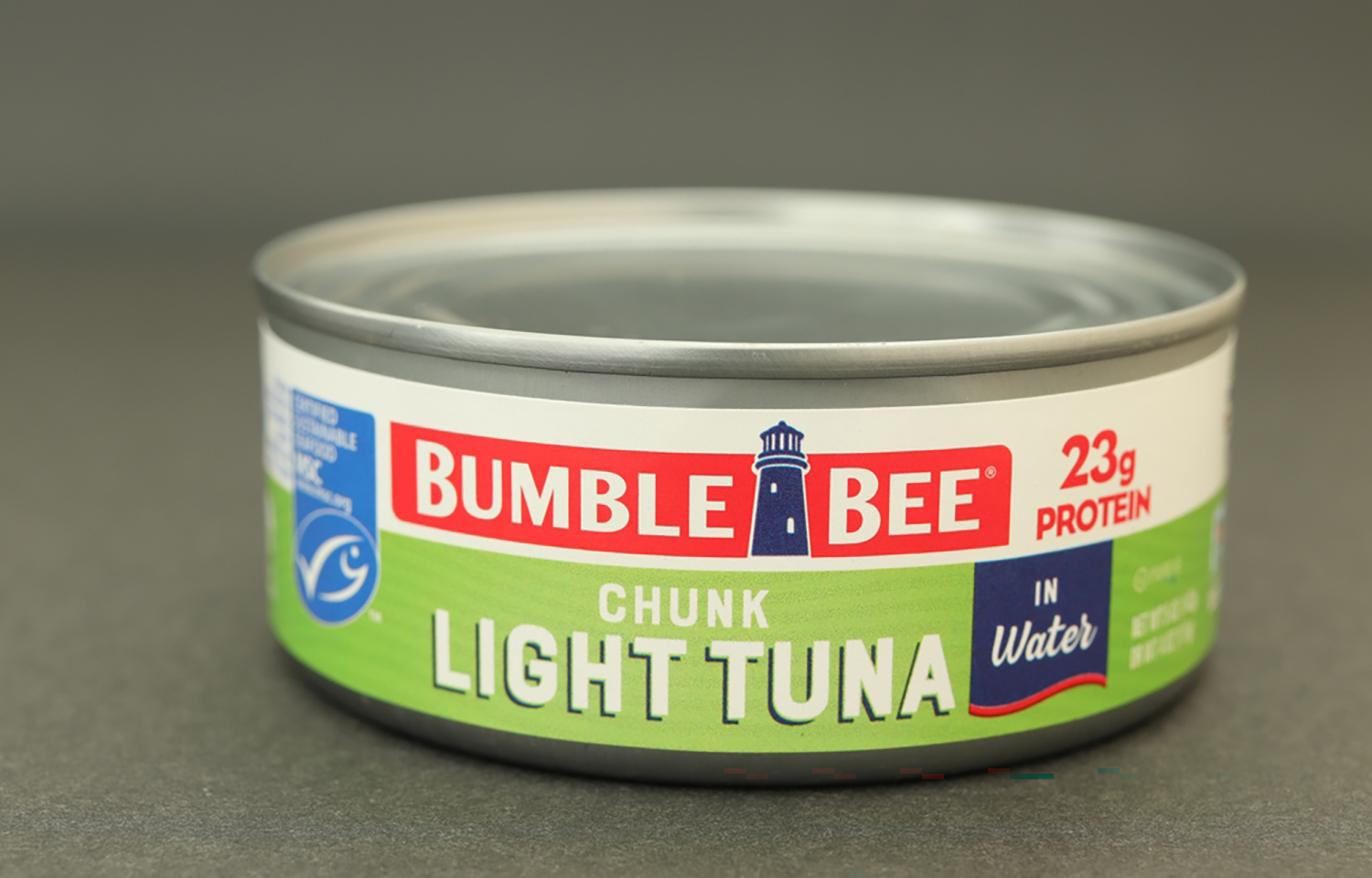
According to the complaint, which was filed 31 July in the U.S. District Court for the Western District of Washington, allegedly misleading claims on such brands as 365 by Whole Foods Market, Bumble Bee, Starkist, Chicken of the Sea, Fishwife, and others include “dolphin safe,” “sustainable,” “responsibly sourced,” and “traceable.”
However, not all products sourced from MSC-certified fisheries are sustainable, according to the suit, despite the statements made on packaging and on Amazon’s point-of-sale webpage.”
"For example, Amazon never discloses that the greenwashed seafood products are MSC-certified but that the MSC certifies fisheries that do not routinely practice sustainable fishing methods, that bring in large amounts of bycatch, use dredging and bottom-trawl fishing, and use fish aggregating devices … in addition to claims that the MSC Chain of Custody standard is not the same as traceability and that MSC-certified products include products associated with ecological damages,” the lawsuit said.
Plaintiff Madeleine Rogow, a resident of Los Angeles, California, U.S.A., purchased 365 by Whole Foods Market Sockeye Salmon Fillet and other products, while plaintiff Adam Sorkin, who lives in Chicago, Illinois, U.S.A., purchased several Bumble Bee, Chicken of the Sea, and Starkist products, both of whom believed they were buying sustainable products, according to the complaint.
Seattle, Washington, U.S.A.-based law firm Hagens Berman, which filed the complaint on behalf of Rogow and Sorkin, said in a release that Amazon and other manufacturers give consumers the net impression that its seafood products “cause minimal harm to our oceans, to marine life, and [to] the environment – an impression that, the lawsuit claims, is at best unsubstantiated and, at worst, materially false.”
“The evidence shows that Amazon’s marketing of its seafood products is consumer deception – hook, line, and sinker – and preys upon the hopes of millions of consumers that their dollars support sustainability,” Hagens Berman Managing Partner and Co-Founder Steve Berman said.
The law firm also called out MSC, calling it a “pay-for-play” certification scheme and “a sham, essentially involving bribery between fisheries and auditors to stamp their cans with a meaningless label.”
“We believe Amazon uses the same false information to mislead its customers,” Berman said.
MSC responded to such claims saying it is confident in its global program and supportive of its partners.
Nevertheless, the complaint further alleges Amazon’s conduct also runs afoul of the Federal Trade Commission's Green Guides, which warn marketers against making unqualified environmental benefit claims and emphasize that environmental certifications and seals may communicate broad environmental benefits to consumers.
Hagens Berman is urging consumers who purchased MSC-certified products to contact the law firm and is asking the court for injunctive relief and repayment for consumers who would not have purchased the affected seafood “had they known the alleged truth of its lack of sustainability.”
The recent lawsuit is the latest in a string of sustainability labeling-related litigation.
Conagra agreed to settle a class-action lawsuit in 2024, which alleged that the MSC label on its Mrs. Paul’s and Van de Kamp’s frozen seafood products is deceptive. The plaintiffs sought USD 5 million (EUR 4.6 million) in damages.
Elsewhere, Walmart, ALDI, Gorton’s, Mowi, and more retailers and seafood companies have been dragged into court for similar claims.
Marine conservation coalition Make Stewardship Count warned in a recent report that retailers and other buyers that heavily rely on certifications, such as MSC, to support seafood sustainability claims face growing legal, regulatory, and investor risks unless they adopt far broader due diligence systems, a warning that has now become reality for Amazon.
The report argued that the global seafood industry is entering a new era in which certification schemes alone no longer offer sufficient protection against environmental, labor, and greenwashing liabilities. The report’s author, Living Oceans Campaign Director Kelly Roebuck, said the industry must recognize that certifications can only form part of a wider due diligence framework.
“Over the last decade, we have seen an increasing emphasis on the need for retailers and companies to adopt human rights and environmental due diligence approaches to their sourcing,” she told SeafoodSource in June. “Certifications are just one source of information that should be triangulated with additional sources to ensure companies fully understand and address any actual and potential adverse impacts within their supply chains.”
