



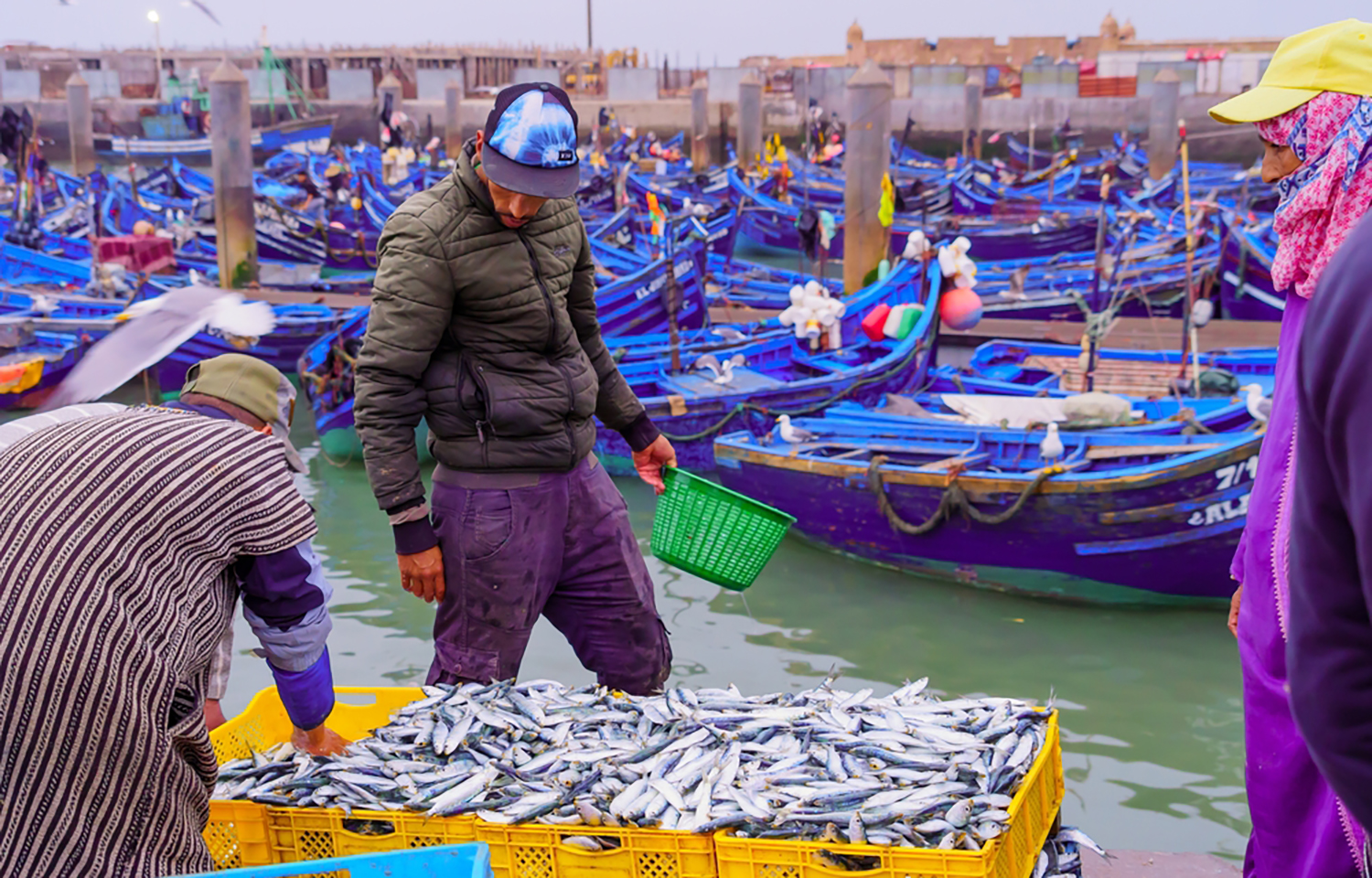
Morocco has announced an indefinite ban on exports of frozen sardines starting 1 February as the nation’s government moves to address dwindling numbers of the pelagic species, as well as its subsequent soaring prices in the domestic market.
Seafood industry representative groups like the National Union of Canned Fish Industries (UNICOP) have voiced concern over falling supply for a few years now.
UNICOP sent out a report in 2024 that landing volumes of pelagic fish in Morocco, which is the world’s leading exporter of sardines, have fallen since 2023. That year, landing volumes were around 40 percent lower than in 2022.
Moroccan fish-canning operations then reported an 18 percent decline in the supply of pelagic fish in 2024 compared to the previous year, “highlighting ongoing challenges in accessing this resource,” according to UNICOP.
Official data shows that sardine landings dropped 46 percent in 2024, plummeting from nearly 1 million metric tons (MT) to 525,000 MT, per Reuters.
That falling supply triggered a 60 percent surge in sardine prices, UNICOP said, exerting pressure on “production costs and the competitiveness of businesses, making it increasingly difficult to meet commercial commitments.”
High sardine prices have also been attributed to alleged collusion among key industrial players in Morocco’s pelagic market, according to the Competition Council of Morocco, which issued a statement in April 2025 pointing to “the possible existence of an agreement on prices concluded between certain economic operators in the sardine supply market.”
The conspiracy, the council said at the time, “is likely to distort free competition on the market concerned and harm to consumer interests,” and in May 2025, the council launched a formal investigation into possible anticompetitive practices in Morocco’s industrial sardine supply market.
Regardless of the various factors driving up prices, the reality is that sardine landings are dwindling, with UNICOP attributing the trend to climate change that “continues to affect the biology of species, impacting both the quality and quantity of landings.”
Following these concerning trends, Morocco Fisheries Minister Zakia Driouich told Moroccan Parliament in early January of this year that the country needed to take action to ensure sustainability, leading to the moratorium on frozen sardine exports.
According to Sardi Mar, a Moroccan producer and exporter of frozen seafood, sardines represent an estimated 62 percent of the North African country's wild catch totals and account for 91 percent of raw material usage in the domestic canning industry. The company estimates Morocco's annual fresh sardines processing output at 600,000 MT.
