






Environmental organizations and small-scale fishing representatives have urged European Union officials not to reopen the bloc’s Common Fisheries Policy (CFP) for potential revisions, warning that Europe’s fisheries framework is “not broken” but, rather, is suffering from years of weak implementation and political backsliding.
The groups, including the Environmental Justice Foundation (EJF), Oceana, Seas At Risk, and Low Impact Fishers of Europe (LIFE), said that one year on from the United Nations’ Ocean Conference and the unveiling of the European Ocean Pact, the bloc is entering a crucial period for deciding the future of its fisheries policy.
Therefore, they cautioned that any large changes to the CFP made during this crucial period, potentially through a “Fisheries Omnibus” package, risks undermining core sustainability safeguards with fish stocks, marine ecosystems, and fishing communities facing growing pressure from climate change, biodiversity loss, and economic volatility.
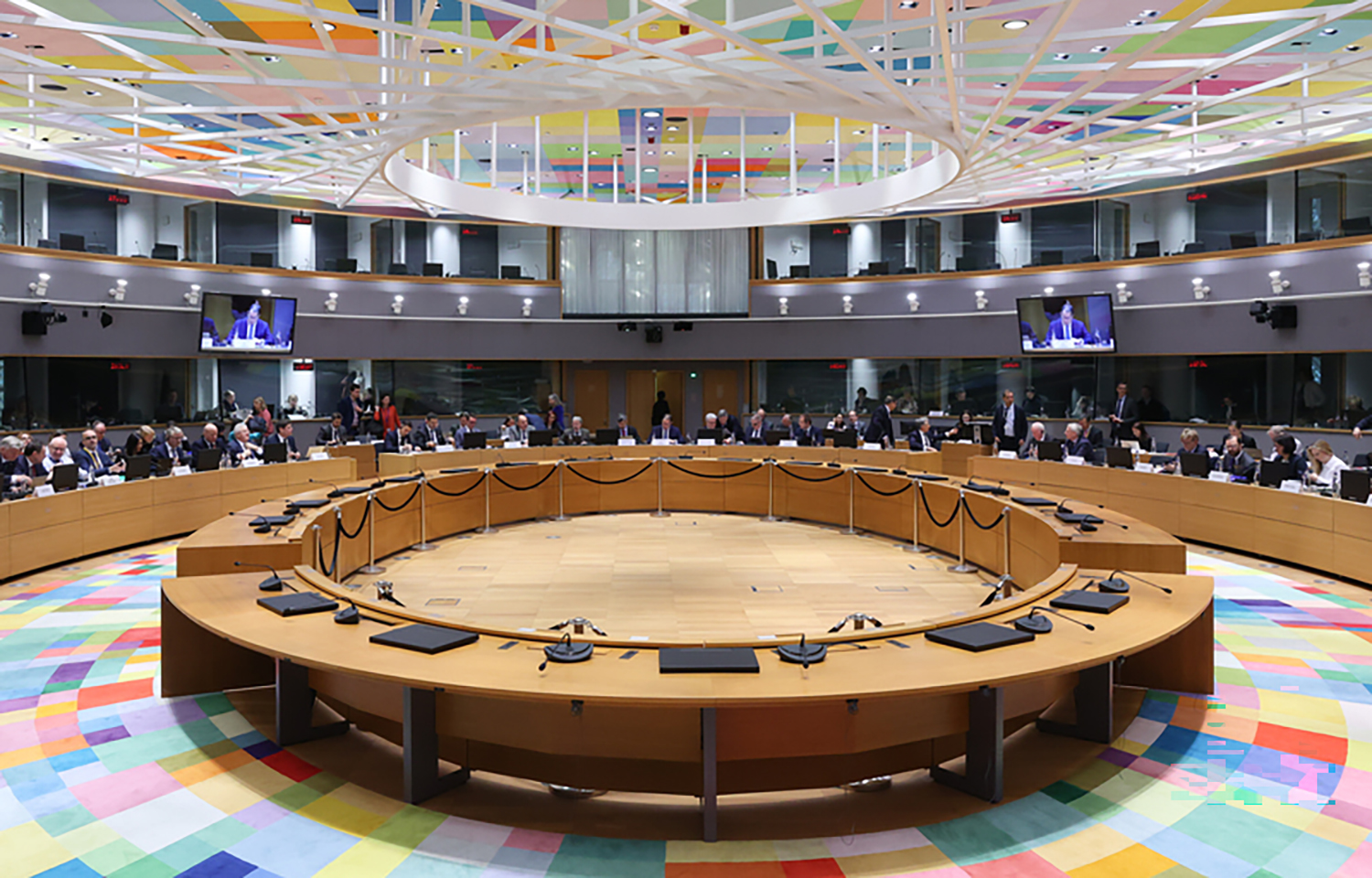
The calls come as the bloc’s AGRIFISH Council – comprising ministers for agriculture and fisheries from all 27 E.U. member states – is set to meet on 22 and 23 June to evaluate and discuss possible next steps for Europe’s fisheries policy.
Ahead of the meeting, Oceana Policy Officer Arielle Sutherland-Sherriff stressed that the CFP is still “robust and coherent enough” to achieve sustainable fisheries and that talks of large-scale CFP reform may be coming directly from growing political pressure stirred up by member states and industry groups aiming to dilute fisheries regulations.
“If an omnibus proposal moves forward, it is definitely not welcomed,” Southerland-Seriff said. “It risks opening a Pandora’s box of amendments to a framework that is fundamentally sound.”
Seas At Risk Senior Fisheries Policy Officer Bruno Nicostrate said, instead, member states should now face greater scrutiny and potential proceedings when they repeatedly fail to comply with CFP obligations.
“The focus now must shift from legislation to implementation; that’s key,” he said. “Member states need to be held accountable for failing to comply with existing obligations. For instance, the European Commission, as guardian of the treaty, must launch a big series of infringement procedures where all the breaches of legislation are occurring, such as for scientific advice on catch limits not being respected.”
Nicostrate also called for future E.U. fisheries funding to prioritize low-impact fishing methods, ecosystem restoration, and climate resilience rather than supporting what he described as “business as usual” practices.
“We cannot continue simply pumping public money into sectors that are not adapting to the new reality,” he said.
Discard and bycatch enforcement also emerged as central issues for the groups, with EJF Senior E.U. Advocacy Officer Sean Paramore highlighting that illegal or unreported discarding remains widespread across the bloc, despite landing obligations laid out in the CFP. He cited estimates suggesting annual discards in European fisheries still total around 1.7 million metric tons (MT).
According to Paramore, weak monitoring and enforcement continue to undermine the effectiveness of the discard ban, particularly in some bottom trawl fisheries.
“What’s needed now is not dismantling the rules but the political will to deliver them,” he said.
The groups also voiced frustration over the slow implementation of Article 17 of the CFP, which was intended to reward more environmentally responsible fishing practices when allocating quotas.
LIFE Executive Secretary Marta Cavallé said that small-scale fleets continue to struggle for fair access to fishing opportunities despite repeated political commitments.
“The problem is poor implementation by member states, which too often serve larger-scale interests,” she said, calling for dedicated quota allocations for small-scale fishers, stronger support mechanisms, and more ambitious action within the forthcoming E.U. Ocean Act. “Small-scale fishers need solutions now. There’s no time for a lengthy or uncertain process of reforming the CFP. Instead, we would rather push for an implementation and enforcement plan with a stronger accountability that focuses time and effort on steps that lead to immediate results and with commitments that have already been made.”
The AGRIFISH Council’s most recent meeting comes soon after the European Commission’s long-awaited evaluation of the CFP, which concluded the policy remains broadly fit for purpose.
Among the commission’s findings, the proportion of E.U. fish stocks subject to overfishing has fallen from 54 percent to 21 percent in the 10-year period since CFP reforms came into force in 2014.
The NGOs acknowledged the progress that has been made in this regard but warned that weakening sustainability safeguards now would risk reversing years of progress in rebuilding fish stocks and improving marine management.
“The CFP already contains the tools needed to deliver sustainable fisheries,” Nicostrate said. “The challenge is making sure governments actually use them.”
