


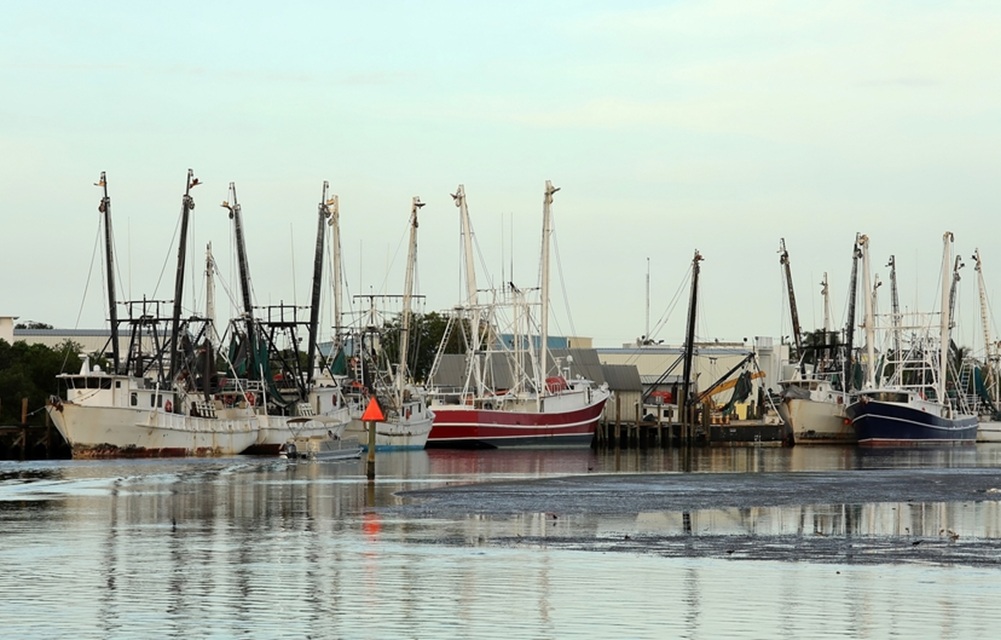
A NOAA Fisheries snapshot report concluded that the Gulf of Mexico shrimp fleet “cannot sustainably compete” with imported shrimp, though the authors suggest domestic harvesters can find success by presenting Gulf shrimp as a differentiated or premium product.
“This report puts numbers to the economic challenges facing the U.S. shrimp industry. Achieving a truly resilient Gulf shrimp industry hinges on its ability to sustain profitability,” NOAA National Seafood Advisor Sarah Shoffler said in a release. “The path forward will likely involve a strategic combination of technological investment, market differentiation, and robust public-private partnerships. We are committed to exploring solutions that could support this industry into the future.”
The U.S. shrimp fleet has struggled with the global rise of shrimp farming, which produces shrimp that can be imported and sold for cheaper than wild-caught Gulf shrimp. Imports have applied steady pressure to keep domestic prices lower – the price for Gulf shrimp has shrunk from USD 6 (EUR 5.20) per pound in the 1980s to USD 2 (EUR 1.73) per pound – while operating costs in the U.S. have only risen. Total Gulf shrimp revenue dropped from USD 489 million (EUR 424) in 2021 to just USD 221 million (EUR 192) in 2023, with Covid-19 and inflation exacerbating long-term challenges for the fleet.
Paradoxically, the Gulf shrimp sector’s declining profitability has occurred despite a surging appetite for shrimp in the U.S. – shrimp consumption in the country has more than quadrupled in the last four decades. Much of that consumption has been of cheaper imported shrimp, however, and over that same period, the percentage of Gulf shrimp in the U.S. market has shrunk from 28.7 percent to just 4.5 percent.
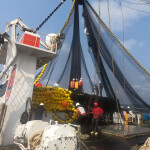
The challenges facing Gulf shrimpers has led to fewer federally-permitted vessels actively shrimping, despite a stable stock.
“We know from our regular assessments that shrimp abundance is not the issue here,” Southeast Fisheries Science Center Deputy Director John Walter said in a release. “We also know that because of declining profits, fewer vessels are shrimping, active vessels are shrimping less, and fewer crew are employed by the industry. This is driving the observed drop in landings, and exacerbating revenue declines.”
Over a two-year period, the number of active federally-permitted shrimping vessels declined 19 percent, leading to an estimated 1,200 jobs being lost. For laborers who remain in the sector, both wages and available days at sea have dropped substantially in the two-year period. Pay per hired-crew day dropped from USD 266 (EUR 231) in 2021 to USD 156 (EUR 135) in 2023; the ten-year average is USD 215 (EUR 187).
The low profitability of the fishery – just 0.5 percent for nearly the last two decades – has led to compounding problems, including a lack of investment in new vessels and infrastructure. The snapshot report concluded that there has been no economic incentive to invest in the Gulf shrimp sector and the “fishery has not been economically sustainable for at least 20 years.”
"For decades, this fishery has been fishing down its capital stock – leading to slow attrition in good times. Bad times rapidly turn into crises," economist and lead author Christopher Liese said. "The long life of shrimp vessels has masked a fundamental weakness: The fishery is not economically sustainable enough to reinvest in itself. This is an industry consuming its own capital to stay afloat, delaying a crisis rather than ensuring a future."
The report predicts that any negative shock will lead to further attrition and consolidation.
“The struggles the industry is facing are immediately apparent when walking the docks in any of the major shrimping communities,” Shrimp Futures Initiative Lead Carissa Gervasi added. “Docks are in disrepair while giant vessels with peeling paint sit idly.”
Still, the authors of the report suggest there could be some hope for the beleaguered shrimp sector, primarily by moving away from competing with shrimp imports on price.
“Alternatively, and already practiced by some, the Gulf shrimp fishery might achieve economic sustainability by pivoting away from producing commodity shrimp, i.e., avoiding competing on price with imported, farmed shrimp. A differentiated or premium shrimp product could conceivably command a higher price per pound,” the report concluded.
