



Alaska Governor Mike Dunleavy recently proposed changes to the state's water reservation regulations, sparking backlash from industry group SalmonState, former Alaska Senate President Rick Halford, and former Alaska Department of Fish and Game (ADF&G) Commissioner Frank Rue.
Dunleavy’s proposal would require applicants looking to set up a water reservation to pay for additional studies, data collection, and analyses as required by the state.
Furthermore, in documents from the Alaska Department of Natural Resources (DNR), the amendment tasks those wanting to set up a water reservation area with stating the reason the proposed reservation is needed, including a minimum of five years of monthly data to quantify the proposed reservation; specifying the times of year and purposes for the reservation; listing any available data on the system's success; stating the quantity of water to be reserved; and identifying applicable physical, biological, water chemistry, and socioeconomic data on the reservation’s impact.
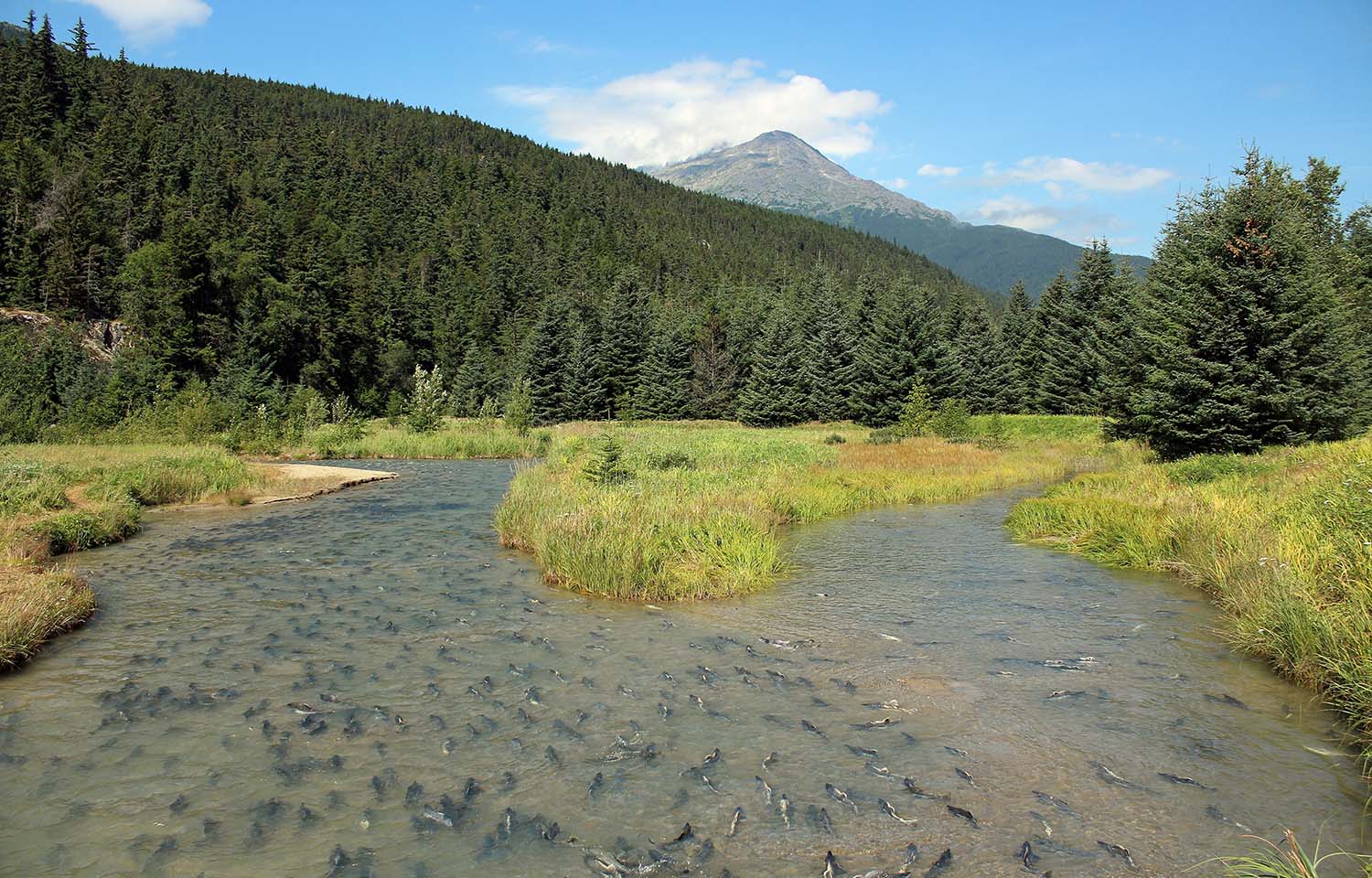
In a release by SalmonState, the organization said Dunleavy’s proposed changes would “make it difficult and expensive for Alaska to uphold its constitutional obligation that directs the state to protect water needed to sustain salmon streams, healthy fisheries, and Alaska’s way of life."
SalmonState added that water reservations have been proven to be one of the few tools available to ensure rivers and streams can retain enough water to support fish habitats and that the changes would benefit those who can afford to jump through the proposed regulatory hoops.
“The proposal continues a troubling Dunleavy administration trend of making it easier for industrial interests to appropriate public resources for private gain while making it harder for Alaskans to ensure those resources are around for future generations,” SalmonState said.
Halford agreed that the changes would unnecessarily burden those seeking to protect fish stocks such as salmon.
"Our constitution states that uses of water are all subject to the general reservation of fisheries and wildlife,” he said. “This requires that resources be managed for the maximum benefit of the people. Healthy salmon runs provide enormous economic, cultural, and nutritional benefits to Alaska. We should be making it easier to keep water in streams for fish, not creating new obstacles. There is nothing broken about the water appropriation and reservation system currently in our constitution, laws, and regulations except this administration's neglect and refusal to balance interests fairly.”
Rue explained that competition for Alaska’s water resources competition would increase under the changes.
"Water left in streams isn't wasted water," Rue said. "It's the foundation of our fisheries, our subsistence traditions, our sport fisheries, and thousands of jobs. Alaska's water management system should make it easier to protect water for fish, not harder. The future debate isn't going to be whether Alaska faces competition for water resources; it's how we respond when that competition arrives."
Rue said he’s seen multiple proposals for energy projects, mining developments, and “potentially large data centers,” which all compete for water consumption and further threaten reservation systems.
“Salmon can't hire lobbyists, but they depend on us getting these decisions right," Rue said.
The Alaska DNR said it first considered input on the proposals on 29 May. Additionally, DNR said it filed a legal ad notice in the Anchorage Daily News and emailed multiple entities including the Alaska Native Corporations, interest groups, and government entities. Alaska DNR is still accepting public comments until the end of the day on 30 June.
SalmonState asked the DNR to extend the period for public comment.
