






U.S. lawmakers have introduced a bill to increase the use of environmental DNA (eDNA) in fisheries surveys and management, claiming the technology is a low-cost tool that can better help the government assess fish populations.
“Without accurate stock assessments, we cannot make the informed, science-based management decisions needed to ensure our fisheries remain sustainable for generations to come,” U.S. Senator Lisa Murkowski (R-Alaska) said in a release. “Environmental DNA is an innovative, cost-effective tool that will give our scientists a clearer picture of our fisheries while expanding survey coverage and reducing costs. This legislation is the product of extensive collaboration with NOAA, Alaska fishermen, Tribal partners, academia, and industry to modernize how we assess fish stocks using the best available science.”
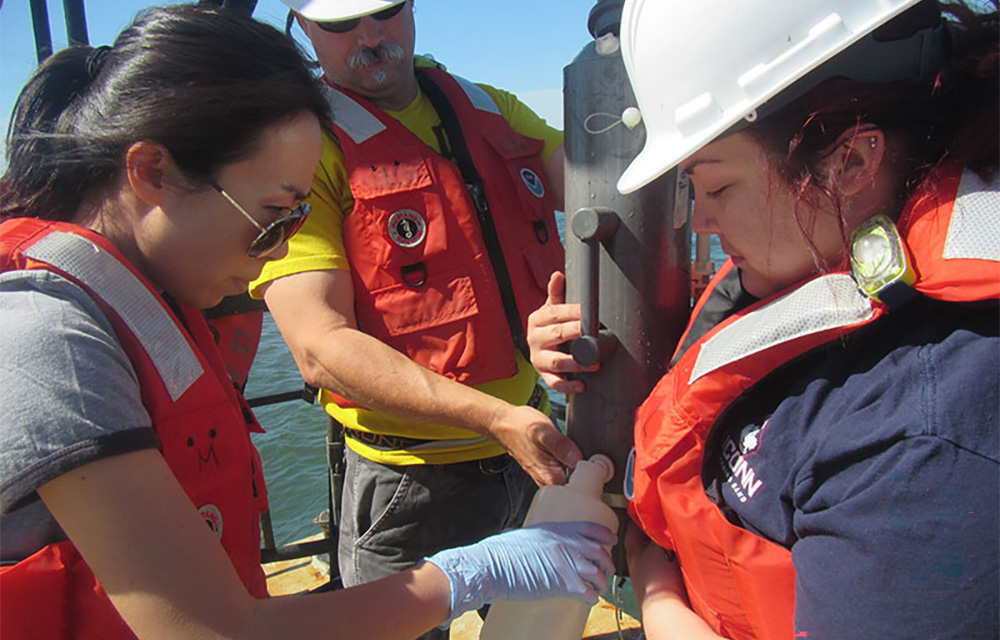
eDNA tests reveal what genetic material is present in a given water sample, enabling researchers to deduce what animal species are present in that body of water or general area. NOAA Fisheries has worked to utilize eDNA into their processes; in 2024, the White House issued a National Aquatic eDNA Strategy to develop low-cost, rapid eDNA technology. NOAA Fisheries has also utilized eDNA tools to improve its fisheries management in multiple areas, especially where traditional methods have proved ineffective or inefficient in detecting species. In the Pacific Northwest, agency scientists have used eDNA to hunt for harmful invasive species, and in Alaska, they’ve used it to better manage rockfish.
“This new eDNA primer set represents a powerful addition to the fisheries management toolkit,” NOAA Fisheries noted in a release. “It offers a less invasive and more comprehensive way to assess rockfish populations, particularly in hard-to-reach habitats. The ability to accurately identify these vital species at a higher resolution will provide critical data for ensuring the long-term sustainability of Alaska's rockfish fisheries.”
Introduced in August, the Fisheries Science Modernization Act would direct NOAA Fisheries to create the eDNA Fishery Stock Assessment Pilot Program to validate eDNA methods for different regions and species. The agency would also be charged with creating an implementation plan for better integration of eDNA tools into fisheries management and the regular collection of samples during fisheries surveys for eDNA testing. The bill would also establish the National Aquatic Biomolecular Coordination Network (NABCN) to develop eDNA standards.
Lawmakers were insistent that eDNA should not replace traditional surveys but be used in conjunction with them.
“As fish stocks shift and ocean conditions become more variable, we need to invest in both the traditional surveys that have served us for decades and innovative technologies that can make those surveys even stronger,” U.S. Senator Dan Sullivan (R-Alaska) said in a release. “By thoughtfully investing in and integrating new tools, we can improve the quality of stock assessments, better support our fishermen and communities, and ensure America's fisheries remain among the best managed in the world.”
The legislation is backed by the Cape Cod Fishermen’s Alliance, the Alaska Ocean Observing System, the U.S. Integrated Ocean Observing System, the Western Alaska Community Development Quota Program, eDNAtec, the National Estuarine Research Reserve Associationand, the Pacific Seafood Processors Association, Ocean Conservancy, the Environmental Defense Fund, and United Catcher Boats.
“United Catcher Boats supports the Fisheries Science Modernization Act of 2026 and appreciates Senator Murkowski's continued leadership in advancing science-based fisheries management,” United Catcher Boats Executive Director Andrea Keikkala said in a release. “We recommend that Congress ensure NOAA Fisheries has adequate resources to successfully implement these important new responsibilities without reducing investment in existing stock assessments, fishery-independent surveys, cooperative research, observer programs, or other core science activities that are fundamental to science-based fisheries management. Investments in eDNA should complement, rather than displace, the core science programs that have made the United States the global leader in sustainable fisheries management.”
