


U.K. non-departmental public body Seafish has launched a new annual plan for 2026-27, targeting areas where it can have the greatest impact on the nation’s seafood industry while also seeking to strengthen its relationship with stakeholders and helping businesses navigate an increasingly complex operating environment.
Titled “Delivering Impact Together,” the plan is centered on three strategic outcomes: developing a safe and skilled workforce, supporting smoother and expanding trade opportunities, and building a more resilient supply chain.
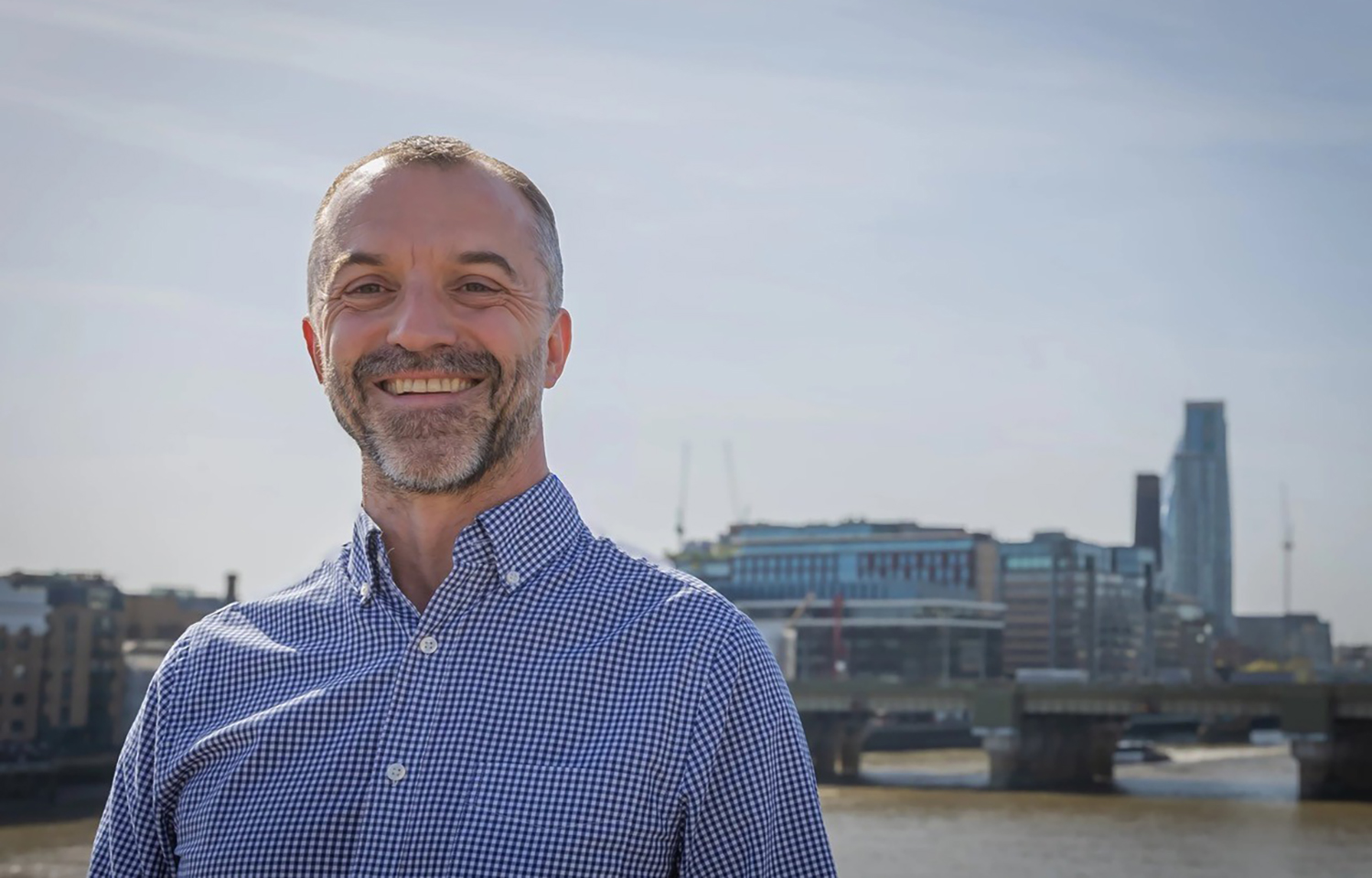
Seafish CEO Colin Faulkner told SeafoodSource the shorter, more focused plan reflects a deliberate effort to be clearer about the organization’s role in supporting the U.K. seafood industry.
"We want to be sharper about our priorities and sharper with the outside world about what we're trying to achieve,” he said.
Those sharpened priorities, according to Faulkner, align with the organization’s wider efforts to concentrate resources on areas where Seafish can make the most impactful contributions. Faulkner pointed to the organization’s decision last year to step back from work on fisheries management plans (FMPs) as an example of this approach, even as that move drew controversy.
Faulkner said he understands and accepts that some sections of the industry were unhappy with the decision to pull away from work on FMPs, explaining that the organization aims to acknowledge the need to strengthen relationships with stakeholders following that difficult decision.
"I think it's really important we rebuild those relationships and demonstrate we're providing value and impact across different sectors, regions, and communities,” he said.
To that end, a recurring theme throughout the new plan is Seafish's ambition to better listen to stakeholder feedback.
"It's really about listening to the sector. The quantitative measures are important, but sometimes, the qualitative feedback can be just as powerful,” he said. "We don't have a monopoly on wisdom. I really want to hear from businesses across catching, processing, and aquaculture about what would make a difference for them and how we can help."
As part of this effort, Seafish plans to review how its advisory committees and sector panels operate to ensure it remains responsive to industry needs.
“The key for me is that Seafish needs to focus on the things that only Seafish can do,” he said, explaining that those areas mainly lie in workforce development, safety training, and industry intelligence.
Seafish has long been involved in safety training for fishermen and seafood workers, but Faulkner said he believes it hasn’t always received due recognition for that work.
"We probably don't sing loudly enough about it," he said. "The main feedback I get is that people want Seafish to provide value and have impact. We need to tell our story better and demonstrate the differences we're making."
Additionally, Faulkner said he also wants Seafish to become the go-to authority on seafood sector intelligence and economic analysis.
Elsewhere, supporting seafood trade is another one of the plan’s central pillars, and Seafish expects to play a key role as the industry prepares for the implementation of a U.K.-E.U. sanitary and phytosanitary (SPS) agreement.
Faulkner said helping businesses understand and adapt to regulatory changes will be a major focus over the coming year.
"Government will understandably want businesses to see the benefits of any reduction in trade barriers as quickly as possible, and that will require a fair bit of work from us alongside the Department for Environment, Food, and Rural Affairs, devolved administrations, and other partners," he said.
Overall, Faulkner stressed that while the plan provides “a clear direction of travel” for Seafish, it’s not intended to constrain the body’s ability to respond to changing circumstances.
"There's a lot going on in the world right now,” he said. “Six months ago, we probably weren't thinking as much about oil prices, for example. The plan isn't designed to be a straitjacket. It's there to give people a clear sense of where we're heading as an organization."
Looking beyond the new annual plan, Faulkner said he wants Seafish to become an indispensable part of the U.K.'s seafood support landscape over the next decade and to be recognized as an important part of the wider public body landscape that helps seafood businesses thrive.
As for his own role, Faulkner said after six months heading up the organization, what continues to stand out is the energy and passion that people and businesses in the U.K. seafood sector have.
"No matter what challenges come along, they do their utmost to rise to them. The sector is resilient, innovative, and determined because it knows it has a great product. If you've got a good product, you can go a long way,” he said.
